The Iconic Wonder Woman: Strength and Empowerment

iwillnotbebroken.org – Wonder Woman, a name synonymous with strength, courage, and empowerment, has been a beloved character and cultural icon for decades. First appearing in comic books in the early 1940s, she has captivated audiences with her compelling stories and inspiring persona. As one of the most enduring superheroes in the DC Comics universe, Wonder Woman’s influence extends beyond the pages of comic books, impacting films, television, and popular culture.

The Origins of Wonder Woman

Wonder Woman was created by psychologist and writer William Moulton Marston, with artist H.G. Peter. Her first appearance was in “All Star Comics” #8 in December 1941. The character was conceived during a time when female superheroes were virtually nonexistent, making her an innovative and groundbreaking figure. Marston’s creation was inspired by his wife, Elizabeth, and their life partner, Olive Byrne, embodying traits of intelligence, strength, and compassion.

Her Powers and Abilities

Wonder Woman, also known as Diana Prince, hails from the mythical island of Themyscira, home to the Amazons. As an Amazonian princess, she possesses superhuman strength, speed, agility, and the ability to fly. Her combat skills are unmatched, and she wields iconic weapons such as the Lasso of Truth, indestructible bracelets, and a mighty shield. These gifts make her a formidable force against evil and injustice.

Cultural Impact and Legacy

Wonder Woman’s influence extends far beyond comic books. She has become a symbol of female empowerment, inspiring generations of women to embrace their strength and individuality. Her character has been adapted into numerous television series and films, most notably portrayed by Lynda Carter in the 1970s TV series and Gal Gadot in the recent blockbuster movies. These portrayals have further solidified her status as a cultural icon.

Conclusion

Wonder Woman remains a powerful symbol of hope and justice. Her journey from comic book pages to the big screen showcases her timeless appeal and enduring relevance. As society continues to evolve, Wonder Woman stands as a reminder of the strength and potential within us all, encouraging everyone to pursue their truth and fight for what is right.
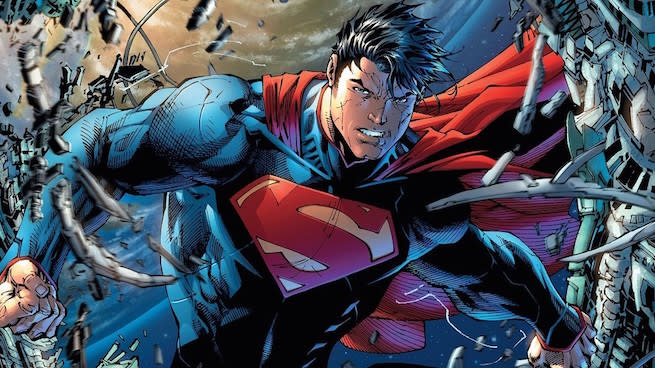
The Man of Steel: Superman (Clark Kent) – A DC Comics Icon

iwillnotbebroken.org – Superman, also known as Clark Kent, is one of the most iconic superheroes in the world, created by writer Jerry Siegel and artist Joe Shuster. First appearing in Action Comics #1 in 1938, Superman has become a symbol of hope and justice, embodying the ideals of truth and moral integrity. As a flagship character of DC Comics, Superman’s legacy has spanned various media, including comic books, television shows, and films.

Origin and Backstory

Superman’s story begins on the distant planet Krypton, where he was born as Kal-El. As Krypton faced imminent destruction, his parents, Jor-El and Lara, sent him to Earth in a small spacecraft. The vessel landed in Smallville, Kansas, where the infant was discovered and adopted by Jonathan and Martha Kent. Raised as Clark Kent, he grew up with strong moral values and a sense of responsibility towards humanity.

Powers and Abilities

Superman possesses extraordinary powers, making him one of the most powerful beings in the DC Universe. His abilities include superhuman strength, flight, invulnerability, heat vision, x-ray vision, super speed, and enhanced senses. These powers are derived from Earth’s yellow sun, which energizes his Kryptonian physiology, giving him god-like abilities.

Dual Identity

Clark Kent leads a double life, working as a mild-mannered journalist for the Daily Planet in Metropolis. His civilian identity allows him to blend in with humanity, providing a unique perspective on human affairs. This dual identity is central to his character, as it emphasizes his connection to both Krypton and Earth, allowing him to navigate his role as a protector of humanity.

Iconic Villains and Allies

Superman’s rogues’ gallery includes formidable adversaries such as Lex Luthor, Brainiac, and Doomsday, each challenging him in different ways. Luthor, a brilliant but malevolent businessman, often seeks to undermine Superman’s influence. In contrast, Superman is supported by allies like Lois Lane, his love interest and fellow journalist, and the Justice League, a team of superheroes dedicated to defending Earth.

Cultural Impact

Superman’s impact on popular culture is immense. As a symbol of heroism and virtue, he has inspired countless adaptations and has become a staple of superhero mythology. His iconic “S” emblem and red cape are recognized worldwide, representing hope and the fight for a better world. Superman’s stories often explore themes of identity, morality, and the responsibility that comes with great power.

Conclusion

Superman, the Man of Steel, continues to endure as a timeless symbol of heroism. Through his unwavering commitment to justice and his ability to inspire hope, Superman remains a beacon of light in the DC Comics universe and beyond. His legacy will undoubtedly continue to captivate audiences for generations to come, reminding us of the potential for greatness within us all.