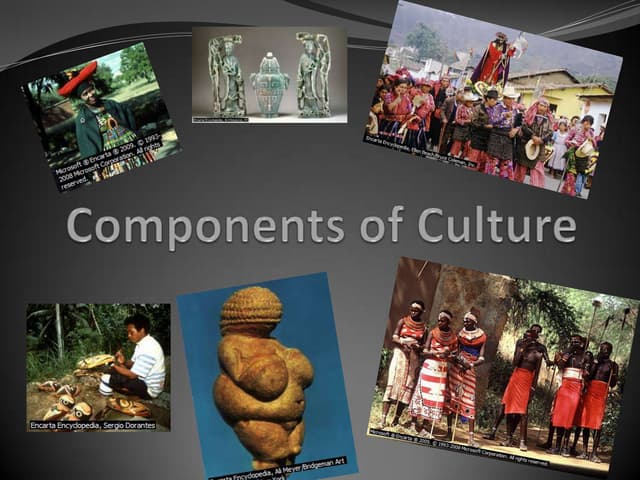
The Fabric of Society: Understanding Culture

iwillnotbebroken.org – Culture is a term that encompasses the social behavior, norms, knowledge, beliefs, arts, laws, customs, capabilities, and habits of the individuals in these groups. It is a central concept in anthropology, encompassing the range of phenomena that are transmitted through social learning in human societies.

The Components of Culture

Values and Beliefs

Values are the shared principles or standards of a group that define what is good or bad and what is desirable or undesirable. Beliefs, on the other hand, are the convictions or acceptances that certain things are true or real. Together, they form the foundation for a culture’s moral and ethical guidelines.

Language and Communication

Language is one of the most important components of culture. It is the medium through which people communicate and share ideas, experiences, and emotions. Communication styles can vary significantly across cultures, influencing how messages are interpreted and understood.

Customs and Traditions

Customs are the established and accepted cultural practices and behaviors, often passed down through generations. Traditions are the specific practices that are maintained by a culture, often marking significant events or rites of passage.

The Role of Culture in Society

Identity and Cohesion

Culture plays a critical role in shaping an individual’s identity. It provides a sense of belonging and helps individuals understand their role within a community. Cultural cohesion is vital for the stability and functioning of societies, promoting unity and shared purpose.

Influence on Behavior

Cultural norms dictate acceptable behavior within a society. These unwritten rules guide how individuals interact with each other and influence their daily lives. Understanding these norms is crucial for effective communication and interaction within a culture.

The Dynamics of Cultural Change

Globalization and Cultural Exchange

In today’s interconnected world, cultures are increasingly interacting with one another. Globalization has led to the exchange of cultural ideas and practices, often resulting in the blending or adaptation of cultural elements.

Technology and Media

Advancements in technology and the proliferation of media have greatly influenced cultural change. Access to diverse content and perspectives can challenge traditional cultural norms and introduce new ideas, leading to cultural evolution.

Conclusion

Culture is an ever-evolving entity that reflects the complexities of human societies. It shapes individual and collective identities, influences behavior, and plays a crucial role in societal cohesion. As societies continue to interact and evolve, culture will remain a dynamic and integral part of our world.

A Comprehensive Guide: Understanding School Violence

iwillnotbebroken.org – School violence has become a pressing issue in many communities around the world, affecting students, educators, and parents alike. It encompasses a wide range of behaviors, from bullying and physical altercations to severe incidents like shootings. This guide aims to provide a comprehensive understanding of school violence, its causes, impacts, and the steps that can be taken to prevent it.

What Constitutes School Violence?

School violence is not limited to physical acts but includes any form of aggression that occurs within the school environment. It can be categorized into several types:

  • Bullying: Repeated aggressive behavior that involves a real or perceived power imbalance.
  • Physical Violence: Any act that results in physical harm to another person.
  • Verbal Abuse: Use of language to inflict emotional or psychological harm.
  • Cyberbullying: Bullying that takes place through electronic technology, such as social media and text messages.
  • School Shootings: Extreme acts of violence involving firearms on school property.

Causes of School Violence

Understanding the root causes of school violence is crucial for developing effective prevention strategies. Some of the key factors include:

  • Family Issues: Problems at home, such as abuse, neglect, or lack of supervision, can contribute to violent behavior.
  • Mental Health: Students with untreated mental health issues may act out violently.
  • Socioeconomic Factors: Poverty, lack of resources, and exposure to violence in the community can influence behavior.
  • Cultural and Media Influences: Exposure to violent content in media and video games can desensitize individuals to violence.
  • School Environment: A lack of positive role models, inadequate conflict resolution programs, and disciplinary policies that escalate rather than de-escalate situations can foster a culture of violence.

Impacts of School Violence

The effects of school violence are far-reaching and can have long-term consequences for individuals and communities:

  • Psychological Effects: Victims may suffer from anxiety, depression, and post-traumatic stress disorder (PTSD).
  • Academic Consequences: Fear and distraction can lead to a decline in academic performance.
  • Social Implications: School violence can erode the sense of community and trust within a school.
  • Economic Costs: The financial burden of dealing with the aftermath of violent incidents can be significant.

Preventing School Violence

Preventing school violence requires a multi-faceted approach that involves students, parents, educators, and the community:

  • Early Intervention: Identifying and addressing issues early on can prevent them from escalating.
  • Bullying Prevention Programs: Implementing evidence-based programs that teach empathy and conflict resolution skills.
  • Mental Health Support: Providing access to mental health services for students and educators.
  • Community Engagement: Building partnerships with local organizations to address the root causes of violence.
  • Safe Reporting Systems: Establishing anonymous reporting systems for students to report threats or concerning behavior.

Conclusion

School violence is a complex issue that requires a comprehensive understanding and a coordinated response from all stakeholders. By addressing the underlying causes, providing support for those affected, and fostering a culture of respect and empathy, we can work towards creating safer learning environments for all students.