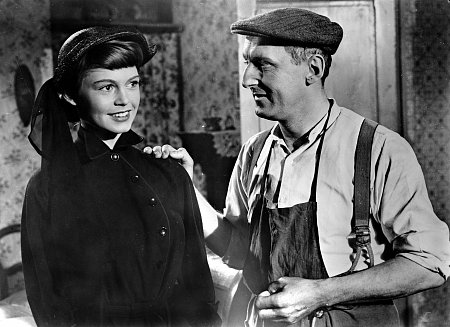
Rashomon (1950): A Revolutionary Exploration of Truth

iwillnotbebroken.org – Rashomon (1950), directed by Akira Kurosawa, is a film that reshaped the way stories are told in cinema. With its innovative narrative structure and exploration of subjective truth, the film challenged traditional storytelling conventions and opened the door for new possibilities in cinematic expression. Known for its complexity and deep philosophical themes, Rashomon remains one of the most influential films in the history of world cinema, earning Kurosawa an international reputation and contributing to the global rise of Japanese cinema.

Plot Overview: A Story of Multiple Perspectives

Set in feudal Japan, Rashomon revolves around the aftermath of a brutal crime: the murder of a samurai and the rape of his wife. The film presents the event through the conflicting testimonies of four individuals—the samurai’s wife, a bandit, the samurai (through a medium), and a woodcutter—each offering a different version of the truth. As the narratives unfold, the audience is left to question which, if any, of the accounts is the true one.

The film’s narrative structure is what sets it apart. Rather than presenting a single, coherent story, Rashomon emphasizes the elusiveness of truth. Each of the four perspectives reveals differing motivations, biases, and personal truths, forcing viewers to confront the complexity of human nature and the unreliability of memory and perception.

The Exploration of Truth and Subjectivity

At the heart of Rashomon lies an exploration of truth and its inherent subjectivity. The film presents a world where truth is not fixed but fragmented, shaped by the perspectives of those who experience and interpret it. This theme is encapsulated in the film’s title, which refers to the Rashomon Gate in Kyoto, where much of the story takes place and symbolizes the entrance to the confusion and ambiguity that pervades the film.

Each character’s testimony about the crime is influenced by personal desires, fear, and self-preservation. The samurai’s wife, for instance, presents a version of the events that paints her as both a victim and a perpetrator, while the bandit’s account is one of exaggerated heroism. The woodcutter’s version, initially presented as objective, is eventually revealed to be more morally complex. Through these varied perspectives, Kurosawa challenges the notion of an objective truth and raises questions about the nature of justice and human experience.

Cinematic Innovation and Style

Beyond its narrative structure, Rashomon is also notable for its visual innovation. Cinematographer Kazuo Miyagawa’s use of light and shadow, particularly in the film’s iconic scenes set in the forest, enhances the film’s mood and its thematic exploration of ambiguity. The stark contrasts between light and darkness not only highlight the emotional states of the characters but also symbolize the moral and psychological murkiness of the story.

Kurosawa’s use of the camera is equally groundbreaking. The film’s innovative framing and dynamic movement, especially during moments of heightened tension, brought a new sense of visual energy to Japanese cinema. The use of weather, particularly rain, plays a significant role in the film’s atmosphere, amplifying the sense of confusion and chaos that pervades the story.

Impact on Cinema and Culture

Rashomon had a profound impact on both Japanese and international cinema. It was one of the first films to achieve significant success outside of Japan, winning the Golden Lion at the Venice Film Festival in 1951. This recognition helped introduce Japanese cinema to a global audience and solidified Akira Kurosawa’s status as a master filmmaker.

The film’s influence can be seen in the works of directors such as François Truffaut, Orson Welles, and Ingmar Bergman, all of whom admired Kurosawa’s ability to blend philosophical depth with cinematic artistry. Rashomon also paved the way for films that explore subjective reality, including later works such as The Usual Suspects (1995) and Memento (2000).

The term “Rashomon effect” has since entered popular discourse, referring to situations in which different people have contradictory interpretations of the same event, a concept that has become central to discussions of memory, truth, and perception in both academic and cinematic circles.

Conclusion: A Timeless Masterpiece

Rashomon is not just a pioneering work of cinema; it is a profound meditation on the nature of truth, morality, and human consciousness. Through its inventive storytelling and philosophical depth, the film continues to resonate with audiences around the world. Its impact on the language of cinema remains immeasurable, making it a cornerstone of world cinema and a work that continues to challenge, inspire, and provoke thought long after its release.

The Honeymoon Machine (1961): A Classic Romantic Comedy

iwillnotbebroken.org – The Honeymoon Machine (1961), directed by Richard Thorpe, is a light-hearted and comedic romp set against the glamorous backdrop of Venice. Starring Steve McQueen, Paula Prentiss, and Jim Hutton, the film blends romance, humor, and a touch of adventure, as a group of Americans in Venice gets caught up in an elaborate scheme involving a gambling machine. While the film is mostly remembered for its quirky plot and its starring actors, Linda Delavane, played by the charming actress, plays an essential supporting role that adds heart and wit to the story. Her performance, while not the central focus, contributes to the delightful ensemble dynamic that drives the film’s comedy and romance.

Plot Overview: Love, Laughter, and a Gambling Scheme

The Honeymoon Machine follows the misadventures of a group of young Americans vacationing in Venice, Italy. The central plot revolves around a U.S. Navy sailor, Ensign Chuck Rainer (played by Steve McQueen), who stumbles upon an unusual opportunity involving a machine that can “predict” the outcome of roulette spins. As Chuck and his friends get caught up in a scheme to make money off the machine, they find themselves facing a series of hilarious and unexpected events.

As the story unfolds, the group of characters must navigate romantic entanglements, mistaken identities, and their growing affection for one another. The film is a perfect blend of romance and farcical comedy, where love and laughter play key roles in driving the plot forward.

Linda Delavane’s character, though not central to the main conflict, plays an integral role in the comedic and romantic moments that give the film its charm. Her interactions with the other characters add warmth and sophistication to the often chaotic and humorous situations they find themselves in.

Linda Delavane’s Role: Elegance and Wit in a Romantic Comedy

In The Honeymoon Machine, Linda Delavane’s character brings a sense of elegance and sophistication to the otherwise humorous and chaotic proceedings. As a woman caught up in the antics of the other characters, Linda provides a steady, grounded presence, adding depth to the film’s comedic scenarios.

Her role as a supporting character allows her to showcase her comedic timing and acting range. While the primary focus of the film is on the misadventures of Chuck and his friends, Linda’s character plays an essential part in adding emotional nuance to the film’s romantic elements. She contributes to the growing relationships within the group, providing moments of understanding, affection, and support.

Delavane’s performance stands out for its warmth and subtle humor. While she is not involved in the more farcical aspects of the plot, her presence in the film serves as a counterbalance to the chaos that surrounds her. She brings a sense of sophistication to the film, helping to anchor the romantic comedy with a more grounded and thoughtful portrayal of love and relationships.

Themes of Romance, Humor, and Misadventure

The Honeymoon Machine is built around themes of romance, humor, and the unpredictability of life. The film presents a whimsical take on love, with characters who are seeking excitement, adventure, and perhaps a little bit of fortune. The romantic relationships that develop throughout the film are filled with lighthearted misunderstandings, charm, and playful flirtation, offering an enjoyable exploration of the trials and tribulations of romance.

The theme of love is central to the film, as several characters pursue romantic interests that evolve throughout the narrative. The relationships are complicated not only by their own emotional dynamics but also by the humorous and unexpected situations they find themselves in. Linda Delavane’s character adds a touch of elegance and wisdom to these romantic entanglements, offering a more mature perspective on love and relationships.

In addition to its romantic themes, The Honeymoon Machine also explores the comedic potential of misadventure. The film’s plot revolves around the scheme involving the gambling machine, and the characters’ attempts to outsmart the system lead to a series of misunderstandings and humorous situations. This farcical comedy is balanced by moments of genuine emotion and connection, particularly in the relationships that develop among the characters.

The Film’s Reception: A Lighthearted Escape

Upon its release, The Honeymoon Machine received mixed-to-positive reviews, with critics appreciating the film’s lighthearted nature, engaging performances, and comedic charm. The film’s humorous approach to romance and its picturesque Venetian setting made it a pleasant and enjoyable escape for audiences looking for a fun-filled comedy. Steve McQueen’s performance was praised for his comedic timing, while Linda Delavane’s supporting role helped to add sophistication to the overall film.

Although The Honeymoon Machine was not a major critical or commercial sensation, it still found a place in the hearts of audiences who enjoyed its whimsical take on romance and its charming cast. The film’s themes of love, humor, and adventure continue to resonate with viewers who appreciate its lighthearted tone and classic comedic elements.

Linda Delavane’s Contribution to the Film’s Success

Linda Delavane’s role in The Honeymoon Machine was an important part of the film’s success. As a supporting actress, she brought a sense of maturity and depth to the otherwise youthful and comedic ensemble cast. Her ability to balance humor with emotional depth made her a standout presence in the film, offering a more thoughtful perspective on the romance and relationships unfolding around her.

Delavane’s performance helped to elevate the overall dynamics of the film, providing a contrast to the more chaotic and slapstick elements of the plot. Her character, while not at the forefront of the story, played a crucial role in anchoring the romantic themes of the film, helping to create a more well-rounded and emotionally resonant narrative.

Conclusion

The Honeymoon Machine (1961) is a lighthearted romantic comedy that offers a charming escape into the world of love, misadventure, and humor. Directed by Richard Thorpe, the film features an ensemble cast led by Steve McQueen and Paula Prentiss, with Linda Delavane’s supporting role contributing to the film’s emotional and romantic depth. While the film is primarily remembered for its comedy and playful plot, Delavane’s portrayal of a sophisticated and grounded character adds a layer of warmth to the story. Her performance helps balance the film’s farcical elements, making The Honeymoon Machine a delightful and timeless exploration of love and relationships in a whimsical Venetian setting.

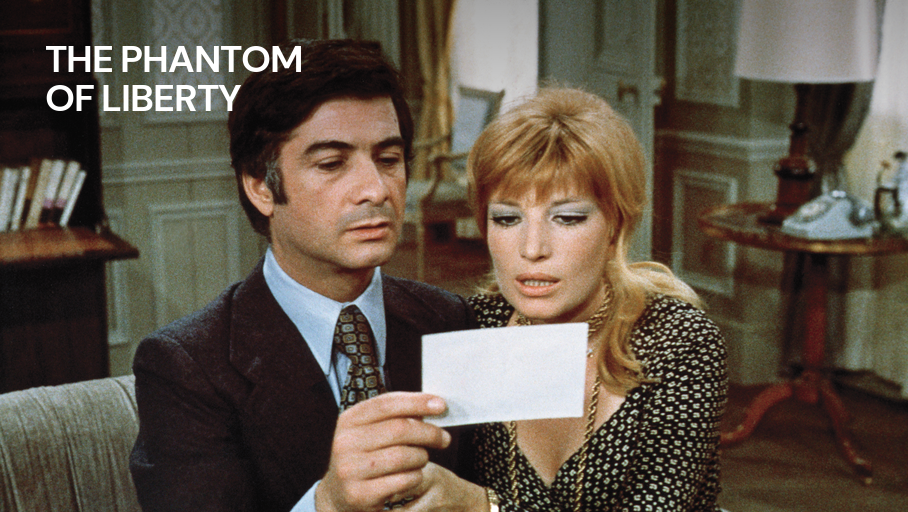
The Phantom of Liberty: A Exploration of Society’s Absurdities

iwillnotbebroken.org – Luis Buñuel’s The Phantom of Liberty (1974) is a cinematic masterpiece that defies categorization. A surrealist comedy-drama, it is a kaleidoscope of bizarre and often shocking images, coupled with sharp social commentary. The film is a labyrinthine journey through the human psyche, exploring themes of sexuality, religion, class, and the absurdity of societal norms.   

A Non-Linear Narrative

Unlike traditional narratives, The Phantom of Liberty eschews a linear plot. Instead, it presents a series of vignettes, each more bizarre than the last. These vignettes, though seemingly unrelated, are connected by recurring characters and motifs. This non-linear structure mirrors the chaotic and often illogical nature of human behavior.   

Surrealism and Social Commentary

Buñuel’s surrealist style is used to expose the hypocrisies and contradictions of society. For instance, a dinner party takes place with guests seated on toilet bowls, highlighting the absurdity of social conventions. The film also delves into taboo subjects like pedophilia and incest, challenging the viewer’s sense of morality.   

A Gallery of Eccentric Characters

The film features a cast of eccentric characters, each more peculiar than the next. There’s the voyeuristic old man, the sexually obsessed priest, the woman who feigns illness to avoid her husband, and the man who collects pornographic postcards. These characters are often grotesque and absurd, yet they serve as a mirror to the darker aspects of human nature.   

A Visual Feast

The Phantom of Liberty is a visual feast, with its striking imagery and bold use of color. The film’s cinematography is often surreal and dreamlike, creating a sense of disorientation and unease. The juxtaposition of the beautiful and the grotesque is a hallmark of Buñuel’s style, and it is on full display in this film.   

A Controversial Masterpiece

Upon its release, The Phantom of Liberty was met with both critical acclaim and controversy. Some praised its bold and innovative approach to filmmaking, while others were offended by its explicit sexual content and blasphemous themes. However, the film has endured as a cult classic, inspiring generations of filmmakers and artists.   

A Timeless Exploration of Human Nature

Despite its surreal and often shocking nature, The Phantom of Liberty remains a relevant and timely film. Its exploration of the human psyche and the absurdity of society is as pertinent today as it was in 1974. The film challenges us to question our own beliefs and assumptions, and to embrace the strange and the unexpected.   

Conclusion

The Phantom of Liberty is a cinematic masterpiece that continues to provoke and inspire. It is a film that demands to be seen, and to be experienced. It is a film that will stay with you long after the credits roll.

7 Kogustaki Mucize (Miracle in Cell No. 7, 2019)

iwillnotbebroken.org – 7 Kogustaki Mucize (Miracle in Cell No. 7), a 2019 Turkish drama film directed by Mehmet Ada Öztekin, is a profoundly moving story about the unwavering bond between a father and his daughter, set against the backdrop of a flawed justice system and the prejudices of a small community. The film, a remake of the 2013 South Korean film of the same name, resonated deeply with audiences worldwide due to its powerful emotional core and its exploration of themes of love, innocence, and injustice.   

Memo and Ova: An Unbreakable Bond

The film centers on Memo, a man with an intellectual disability who lives with his beloved young daughter, Ova, in a rural Turkish village. Their bond is incredibly strong, filled with simple joys and unwavering affection. Memo’s world revolves around Ova, and he dedicates himself to providing for her and ensuring her happiness. Their simple life is shattered when Memo is wrongly accused of murdering a young girl.   

Wrongfully Accused and Imprisoned

Due to a series of unfortunate circumstances and the influence of powerful local figures, Memo is arrested and imprisoned. He is placed in Cell No. 7, a harsh and unforgiving environment inhabited by hardened criminals. Despite the fear and confusion he experiences, Memo’s primary concern remains his daughter, Ova, who is left alone and vulnerable.

An Unlikely Alliance in the Face of Adversity

Inside the prison, Memo’s innocence and gentle nature gradually begin to touch the hearts of his fellow inmates. They initially view him with suspicion and distrust, but as they witness his love for Ova and his inability to comprehend the accusations against him, they begin to see him in a different light. An unlikely alliance forms between Memo and his cellmates, who become determined to help him reunite with his daughter and prove his innocence.

Themes of Love, Innocence, Injustice, and Hope

7 Kogustaki Mucize explores several powerful themes:

  • Unconditional Love: The film’s central theme is the unwavering and unconditional love between a father and his daughter. Memo’s love for Ova transcends all obstacles and provides a source of hope in the darkest of circumstances.
  • Innocence and Vulnerability: Memo’s intellectual disability makes him particularly vulnerable to manipulation and injustice. The film highlights the dangers of prejudice and the importance of protecting the innocent.
  • Injustice and Corruption: The film critiques the flaws within the justice system and the abuse of power by those in positions of authority. Memo’s wrongful conviction underscores the devastating consequences of injustice.
  • Humanity and Compassion: Despite the harsh setting of the prison, the film also emphasizes the capacity for human compassion and empathy. The bond that forms between Memo and his fellow inmates demonstrates the power of human connection to transcend social barriers and prejudices.
  • Hope and Resilience: Even in the face of immense adversity, the film offers a message of hope and resilience. Memo’s unwavering love for Ova and the support he receives from his unlikely allies provide a glimmer of light in a dark situation.

Powerful Performances and Emotional Impact

The film features outstanding performances, particularly from Aras Bulut İynemli as Memo, who delivers a deeply moving and nuanced portrayal of a man with an intellectual disability. The chemistry between İynemli and Nisa Sofiya Aksongur, who plays Ova, is particularly touching and adds to the film’s emotional impact.   

A Heartrending and Unforgettable Cinematic Experience

7 Kogustaki Mucize is a heartrending and unforgettable film that resonates with viewers on a deeply emotional level. It is a story about the power of love, the tragedy of injustice, and the enduring strength of the human spirit. The film’s emotional impact is undeniable, leaving audiences with a profound sense of empathy and a renewed appreciation for the importance of compassion and understanding. It is a testament to the power of cinema to tell stories that touch the heart and inspire hope, even in the face of profound adversity.

Romantik Komedi: A Lighthearted Romp Through Modern Love

iwillnotbebroken.org – Ketche’s 2010 film Romantik Komedi (“Romantic Comedy”) is a quintessential Turkish romantic comedy that captures the complexities and often hilarious situations of modern relationships. With its charming leads, witty dialogue, and relatable scenarios, the film quickly became a box office hit and a beloved example of the genre in Turkish cinema. Romantik Komedi offers a lighthearted and entertaining take on love, friendship, and the challenges of navigating the dating world in contemporary Istanbul.

Finding Love in the City: Setting the Scene

The film is set in modern-day Istanbul, a vibrant and bustling metropolis that serves as the perfect backdrop for a romantic comedy. The city’s lively atmosphere, trendy cafes, and bustling nightlife contribute to the film’s energetic and contemporary feel.

Romantik Komedi focuses on a group of close-knit friends navigating the ups and downs of their love lives. The film’s focus on friendship is a key element, highlighting the importance of support and camaraderie in the search for love.

Esra and Mert: A Classic Romantic Comedy Pairing

The central romance in Romantik Komedi revolves around Esra, a successful and independent woman, and Mert, a charming and somewhat commitment-phobic man. Their initial encounters are filled with playful banter and witty exchanges, establishing the classic romantic comedy dynamic of initial antagonism leading to eventual attraction.

The film explores the familiar tropes of the genre, such as misunderstandings, jealousy, and the fear of commitment, but it does so with a fresh and contemporary approach. The chemistry between the lead actors is palpable, making their on-screen relationship believable and engaging.

Friendship and Support: The Importance of Bonds

Romantik Komedi places a strong emphasis on the importance of friendship. Esra’s close group of female friends provides her with unwavering support and advice throughout her romantic journey. Their interactions are often the source of some of the film’s funniest moments, as they offer each other witty commentary and encouragement.

The film highlights how important it is to have a strong support system when navigating the complexities of love and relationships. The friends’ bond serves as a reminder that even during the most challenging times, having close friends by your side can make all the difference.

Humor and Relatability: A Winning Combination

Romantik Komedi is filled with lighthearted humor and relatable scenarios. The film’s humor derives from the characters’ everyday experiences, their awkward encounters, and their often-misguided attempts at finding love.

The film’s relatability is a key factor in its popularity. Many viewers can identify with the characters’ struggles with dating, commitment, and the challenges of balancing personal and professional life. This relatability makes the film’s humor all the more effective and engaging.

A Popular Example of the Genre: Lasting Appeal

Romantik Komedi became a significant commercial success in Turkey, solidifying the popularity of the romantic comedy genre in Turkish cinema. The film’s success also helped to launch the careers of some of its lead actors, further demonstrating its impact on the Turkish entertainment industry.

The film’s lighthearted tone, charming characters, and relatable scenarios continue to resonate with audiences, making it a beloved example of Turkish romantic comedy. It offers a fun and entertaining escape, reminding us of the joys and challenges of finding love in the modern world.

The Crimson Curtain: A Romantic Tragedy

iwillnotbebroken.org – The Crimson Curtain (1953), directed by Alexandre Astruc, is a visually striking and emotionally charged short film that explores the depths of passion and the consequences of forbidden love. Set in 19th-century France, the film tells the story of a young officer who falls deeply in love with a beautiful and enigmatic woman.   

A Poetic and Visual Experience

Astruc’s cinematic style, influenced by the French New Wave movement, is characterized by its poetic and visual approach to storytelling. The film’s striking imagery, evocative cinematography, and evocative score create a haunting and dreamlike atmosphere. The director’s use of symbolism and metaphor adds depth to the narrative, inviting viewers to interpret the film on multiple levels.   

A Star is Born

The Crimson Curtain marked the film debut of the legendary French actress Anouk Aimée, who delivers a captivating performance as Albertine, the object of the officer’s desire. Her portrayal of a young woman torn between societal expectations and her own desires is both poignant and alluring.   

A Timeless Tale of Love and Loss

The film’s exploration of themes such as love, desire, and the fleeting nature of youth continues to resonate with audiences today. It is a timeless tale of passion and tragedy, a reminder of the power of love to both elevate and destroy.

Casanova ’70 (1965): A Whimsical Romantic Comedy

iwillnotbebroken.org – Casanova ’70 (1965) is a delightful Italian comedy film directed by Mario Monicelli. This whimsical and romantic film stars Marcello Mastroianni as Giacomo Casanova, the legendary lover, in a modern-day setting.

A Modern-Day Casanova

The film follows Casanova as he navigates the complexities of love and relationships in 1960s Italy. Mastroianni’s portrayal of Casanova is both charming and humorous, capturing the character’s wit, charm, and insatiable appetite for love.

A Satirical Look at Romance

Casanova ’70 is a satirical look at the romantic comedies of the time. The film pokes fun at the clichés of the genre, such as the dashing hero, the beautiful woman, and the inevitable happy ending.

Despite its comedic tone, the film also explores deeper themes of love, loneliness, and the search for meaning in life.

A Stylish and Entertaining Film

The film’s stylish direction, witty dialogue, and memorable performances make it a delightful and entertaining watch. It’s a perfect blend of comedy, romance, and satire, making it a classic of Italian cinema.

If you’re a fan of romantic comedies and the work of Marcello Mastroianni, Casanova ’70 is a must-watch. It’s a film that will leave you smiling and feeling good.

Night of 100 Stars: The 1982 Television Spectacular

iwillnotbebroken.org – Night of 100 Stars was a star-studded television special that aired in 1982 to celebrate the centennial of the Actors’ Fund of America. This extravagant event brought together a dazzling array of Hollywood’s biggest names for a night of song, dance, and comedy.   

A Who’s Who of Hollywood

The special featured performances by over 100 stars, including:

  • Legendary Actors and Actresses: Elizabeth Taylor, Bette Davis, James Stewart, Lauren Bacall, and Katharine Hepburn.
  • Musical Icons: Liza Minnelli, Tony Bennett, and Frank Sinatra.
  • Popular TV Stars: Lucille Ball, Carol Burnett, and Johnny Carson.
  • Broadway Legends: Carol Channing, Chita Rivera, and Bernadette Peters.

A Night of Spectacular Performances

The show was filled with memorable performances, including:

  • Duets and Trios: Stars paired up for stunning duets and trios, such as Liza Minnelli and Tony Bennett, and Frank Sinatra and Sammy Davis Jr.
  • Musical Numbers: Show-stopping performances of classic songs and Broadway show tunes.  
  • Comic Sketches: Lighthearted comedy sketches featuring beloved stars.

The production was lavish, with elaborate stage sets, dazzling costumes, and a full orchestra. The event was hosted by a rotating cast of stars, including Gene Kelly, Liza Minnelli, and Sammy Davis Jr.

A Lasting Impact

“Night of 100 Stars” was a ratings success and a cultural phenomenon. It showcased the power of Hollywood and the generosity of its stars. The special raised millions of dollars for the Actors’ Fund, a charity that provides financial assistance and healthcare to those in the entertainment industry.

Butterfield 8: A Classic Tale of Love, Loss, and Redemption

iwillnotbebroken.org – Released in 1960, “Butterfield 8” is a classic American drama film that delves into the complexities of love, loss, and redemption. Directed by Daniel Mann and starring Elizabeth Taylor in an iconic role, the film explores the life of Gloria Wandrous, a glamorous call girl who yearns for genuine connection.

A Glimpse into the World of High-End Call Girls

The film offers a glimpse into the world of high-end call girls, a world of luxury and isolation. Gloria, a woman trapped in a life of superficiality, seeks solace in her work, finding a form of escape through her encounters with wealthy and powerful men. However, beneath her glamorous exterior, she yearns for genuine love and connection.

A Tragic Love Story

The film follows Gloria’s tumultuous relationship with a married man, played by Laurence Harvey. Their passionate affair is both exhilarating and destructive, ultimately leading to tragedy. The film’s exploration of love, loss, and the consequences of reckless passion resonates with audiences to this day.

A Critical and Commercial Success

“Butterfield 8” was a critical and commercial success upon its release, earning Elizabeth Taylor an Academy Award for Best Actress. The film’s stunning cinematography, evocative score, and powerful performances have solidified its place as a classic of American cinema.

A Timeless Tale of Human Emotion

Despite being a product of its time, “Butterfield 8” continues to resonate with audiences today. Its exploration of universal themes of love, loss, and redemption transcends cultural and temporal boundaries. The film’s powerful message about the human condition and the search for meaning remains relevant, making it a timeless classic.

Lassie Come Home: A Timeless Tale of Loyalty and Love

iwillnotbebroken.org – Fred M. Wilcox’s 1943 film, Lassie Come Home, is a heartwarming and enduring tale of a loyal dog’s journey to reunite with her beloved owner. The film follows the story of a young boy named Joe Carraclough (Roddy McDowall) and his beloved collie, Lassie. When economic hardship forces Joe’s family to sell Lassie to a wealthy English aristocrat, the loyal dog embarks on a perilous journey to return to her rightful home.

A Heartwarming Adventure

Lassie Come Home is a heartwarming adventure that captures the special bond between a child and their pet. The film’s stunning cinematography showcases the beauty of the Scottish countryside, while the emotional performances of the human and canine actors bring the story to life.

A Timeless Tale of Friendship

The film’s enduring appeal lies in its timeless message of friendship, loyalty, and the power of love. Lassie’s unwavering devotion to Joe is a testament to the enduring bond between humans and animals. The film’s emotional core resonates with audiences of all ages, reminding us of the importance of compassion and empathy.

A Legacy of Canine Stardom

Lassie Come Home launched the career of the iconic canine star, Pal, who would go on to appear in numerous films and television shows. The film’s success helped to solidify the collie breed as a beloved symbol of loyalty and intelligence.

A Classic for the Ages

Lassie Come Home is a classic film that continues to inspire and entertain audiences. Its heartwarming story, stunning visuals, and iconic performances make it a timeless masterpiece. Whether you’re a dog lover or simply looking for a good cry, this film is sure to capture your heart.

Le Trou Normand (1952): A Charming French Comedy

iwillnotbebroken.org – “Le Trou Normand” is a delightful French comedy film from 1952 directed by Jean Boyer. This film is notable for being one of the early appearances of the iconic actress Brigitte Bardot. It offers a whimsical portrayal of life in rural Normandy, capturing the essence of French comedic cinema during the post-war era.

Plot Summary

The film revolves around the character Hippolyte Lemoine, portrayed by the beloved actor Bourvil. Hippolyte is a naive and simple-minded man who stands to inherit his uncle’s inn, aptly named “Le Trou Normand.” However, there’s a catch—he must obtain his primary school diploma to claim his inheritance. This sets the stage for a series of humorous and endearing events as Hippolyte, with the help of his friends, attempts to achieve this unlikely goal.

Characters and Performances

Bourvil’s performance as Hippolyte is both charming and comedic, capturing the innocence and determination of his character. Brigitte Bardot, in one of her first film roles, plays Javotte Lemoine, adding a touch of youthful allure and charm to the film. The ensemble cast, including Jane Marken and Pierre Larquey, contribute to the film’s light-hearted and entertaining narrative.

Cinematic Significance

“Le Trou Normand” is not just a showcase for comedic talent; it also reflects the cultural and social dynamics of 1950s France. The film’s rural setting and the portrayal of community life offer a nostalgic glimpse into the past. Additionally, the film is an important part of Brigitte Bardot’s early career, marking the beginning of her journey to becoming an international film star.

Conclusion

In summary, “Le Trou Normand” is a quintessential example of French comedy from the 1950s. Its engaging storyline, delightful performances, and cultural significance make it a memorable piece of cinema. Whether you’re a fan of classic films or interested in the early works of Brigitte Bardot, “Le Trou Normand” remains a charming and entertaining watch.

Sebelum Iblis Menjemput (May the Devil Take You) (2018)

iwillnotbebroken.org – “Sebelum Iblis Menjemput,” internationally known as “May the Devil Take You,” is a 2018 Indonesian horror film directed by Timo Tjahjanto. Known for his work in the horror and action genres, Tjahjanto delivers a spine-chilling experience that combines traditional Indonesian folklore with modern horror elements. Released on August 9, 2018, the film quickly gained attention for its intense atmosphere and compelling narrative.

Plot Summary

The film follows the story of Alfie, a young woman who is estranged from her family. After her father’s mysterious illness, Alfie visits his old house to uncover dark secrets from his past. As she navigates through the eerie mansion, she encounters supernatural forces linked to her father’s dealings with demonic entities. The film unfolds as a terrifying journey of uncovering family secrets and confronting malevolent spirits.

Themes and Symbolism

“Sebelum Iblis Menjemput” explores themes of family, betrayal, and the consequences of greed. It delves into the idea of how past sins can haunt future generations. The film uses Indonesian folklore to weave a narrative that resonates with local audiences while also appealing to international horror fans. The presence of traditional rituals and mythological creatures adds a layer of cultural depth to the story.

Cinematography and Special Effects

The film is praised for its atmospheric cinematography, which effectively creates a sense of dread and suspense. The use of lighting and shadows enhances the eerie ambiance of the haunted house setting. Special effects, particularly in the depiction of demonic apparitions and supernatural occurrences, are executed with precision, contributing to the film’s overall horror aesthetic.

Reception and Impact

“Sebelum Iblis Menjemput” received positive reviews from both critics and audiences. It was lauded for its intense storytelling, strong performances, and effective scares. The film’s success led to a sequel, “Sebelum Iblis Menjemput: Ayat 2” (May the Devil Take You: Chapter Two), released in 2020. Tjahjanto’s work on this film helped solidify his reputation as a prominent figure in the Indonesian horror scene.

Conclusion

“Sebelum Iblis Menjemput” stands out as a significant contribution to contemporary Indonesian cinema, showcasing the country’s unique storytelling traditions within the horror genre. Its blend of folklore, family drama, and supernatural horror makes it a compelling watch for fans of the genre. The film’s success highlights the growing international interest in Indonesian horror films, paving the way for more stories from the region to reach global audiences.

The Impact and Significance of “Moonlight”

iwillnotbebroken.org – “Moonlight,” directed by Barry Jenkins and released in 2016, is a poignant and groundbreaking film that explores themes of identity, race, and sexuality. The movie has garnered widespread acclaim for its nuanced portrayal of a young Black man’s journey to self-discovery within the context of a marginalized community. This article delves into the significance of “Moonlight” in LGBTQ+ cinema, examining its impact on audiences and its enduring legacy.

A Groundbreaking Narrative

At its core, “Moonlight” tells the story of Chiron, a Black man growing up in a rough neighborhood of Miami. The film is divided into three acts, each focusing on different stages of Chiron’s life: childhood, adolescence, and adulthood. Through these phases, the movie explores Chiron’s struggle with his sexual identity and the challenges he faces in a society that often marginalizes both his race and sexuality. This narrative structure allows for a deep exploration of his character’s development and the influences that shape his identity.

Representation and Visibility

One of the most significant contributions of “Moonlight” to LGBTQ+ cinema is its representation of Black gay men. Historically, LGBTQ+ stories in mainstream media have often been white-centric, sidelining the experiences of people of color. “Moonlight” breaks this mold by centering a Black protagonist and providing visibility to a community that is frequently underrepresented in film. This representation is crucial for fostering understanding and empathy, as well as validating the experiences of those who see themselves reflected on screen.

Critical Acclaim and Cultural Impact

“Moonlight” was not only a critical success but also a cultural phenomenon. The film won numerous awards, including the Academy Award for Best Picture, making it the first film with an all-Black cast and the first LGBTQ+ film to receive this honor. Its success at the Oscars and other awards ceremonies highlighted a shift in the film industry towards more inclusive storytelling.

The movie’s impact extends beyond accolades. It has sparked conversations about the importance of diversity in cinema and the power of storytelling to challenge stereotypes and foster inclusivity. By portraying Chiron’s journey with sensitivity and authenticity, “Moonlight” has inspired filmmakers and audiences alike to embrace narratives that reflect the complexity of human experiences.

Conclusion

“Moonlight” stands as a landmark film in LGBTQ+ and Black cinema. Its exploration of identity, community, and love resonates with audiences worldwide, offering a powerful message of resilience and self-acceptance. By shining a light on underrepresented voices, “Moonlight” has not only enriched the landscape of modern cinema but also paved the way for future films to continue the conversation on diversity and representation.