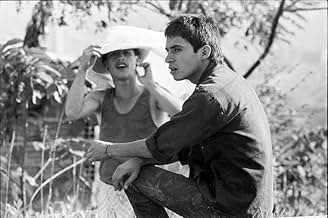
Rashomon (1950): A Revolutionary Exploration of Truth

iwillnotbebroken.org – Rashomon (1950), directed by Akira Kurosawa, is a film that reshaped the way stories are told in cinema. With its innovative narrative structure and exploration of subjective truth, the film challenged traditional storytelling conventions and opened the door for new possibilities in cinematic expression. Known for its complexity and deep philosophical themes, Rashomon remains one of the most influential films in the history of world cinema, earning Kurosawa an international reputation and contributing to the global rise of Japanese cinema.

Plot Overview: A Story of Multiple Perspectives

Set in feudal Japan, Rashomon revolves around the aftermath of a brutal crime: the murder of a samurai and the rape of his wife. The film presents the event through the conflicting testimonies of four individuals—the samurai’s wife, a bandit, the samurai (through a medium), and a woodcutter—each offering a different version of the truth. As the narratives unfold, the audience is left to question which, if any, of the accounts is the true one.

The film’s narrative structure is what sets it apart. Rather than presenting a single, coherent story, Rashomon emphasizes the elusiveness of truth. Each of the four perspectives reveals differing motivations, biases, and personal truths, forcing viewers to confront the complexity of human nature and the unreliability of memory and perception.

The Exploration of Truth and Subjectivity

At the heart of Rashomon lies an exploration of truth and its inherent subjectivity. The film presents a world where truth is not fixed but fragmented, shaped by the perspectives of those who experience and interpret it. This theme is encapsulated in the film’s title, which refers to the Rashomon Gate in Kyoto, where much of the story takes place and symbolizes the entrance to the confusion and ambiguity that pervades the film.

Each character’s testimony about the crime is influenced by personal desires, fear, and self-preservation. The samurai’s wife, for instance, presents a version of the events that paints her as both a victim and a perpetrator, while the bandit’s account is one of exaggerated heroism. The woodcutter’s version, initially presented as objective, is eventually revealed to be more morally complex. Through these varied perspectives, Kurosawa challenges the notion of an objective truth and raises questions about the nature of justice and human experience.

Cinematic Innovation and Style

Beyond its narrative structure, Rashomon is also notable for its visual innovation. Cinematographer Kazuo Miyagawa’s use of light and shadow, particularly in the film’s iconic scenes set in the forest, enhances the film’s mood and its thematic exploration of ambiguity. The stark contrasts between light and darkness not only highlight the emotional states of the characters but also symbolize the moral and psychological murkiness of the story.

Kurosawa’s use of the camera is equally groundbreaking. The film’s innovative framing and dynamic movement, especially during moments of heightened tension, brought a new sense of visual energy to Japanese cinema. The use of weather, particularly rain, plays a significant role in the film’s atmosphere, amplifying the sense of confusion and chaos that pervades the story.

Impact on Cinema and Culture

Rashomon had a profound impact on both Japanese and international cinema. It was one of the first films to achieve significant success outside of Japan, winning the Golden Lion at the Venice Film Festival in 1951. This recognition helped introduce Japanese cinema to a global audience and solidified Akira Kurosawa’s status as a master filmmaker.

The film’s influence can be seen in the works of directors such as François Truffaut, Orson Welles, and Ingmar Bergman, all of whom admired Kurosawa’s ability to blend philosophical depth with cinematic artistry. Rashomon also paved the way for films that explore subjective reality, including later works such as The Usual Suspects (1995) and Memento (2000).

The term “Rashomon effect” has since entered popular discourse, referring to situations in which different people have contradictory interpretations of the same event, a concept that has become central to discussions of memory, truth, and perception in both academic and cinematic circles.

Conclusion: A Timeless Masterpiece

Rashomon is not just a pioneering work of cinema; it is a profound meditation on the nature of truth, morality, and human consciousness. Through its inventive storytelling and philosophical depth, the film continues to resonate with audiences around the world. Its impact on the language of cinema remains immeasurable, making it a cornerstone of world cinema and a work that continues to challenge, inspire, and provoke thought long after its release.
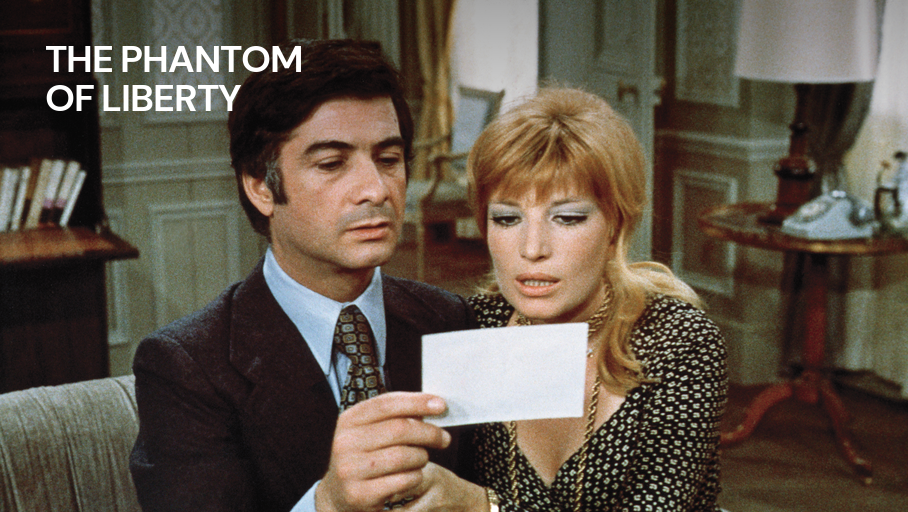

The Phantom of Liberty: A Exploration of Society’s Absurdities

iwillnotbebroken.org – Luis Buñuel’s The Phantom of Liberty (1974) is a cinematic masterpiece that defies categorization. A surrealist comedy-drama, it is a kaleidoscope of bizarre and often shocking images, coupled with sharp social commentary. The film is a labyrinthine journey through the human psyche, exploring themes of sexuality, religion, class, and the absurdity of societal norms.   

A Non-Linear Narrative

Unlike traditional narratives, The Phantom of Liberty eschews a linear plot. Instead, it presents a series of vignettes, each more bizarre than the last. These vignettes, though seemingly unrelated, are connected by recurring characters and motifs. This non-linear structure mirrors the chaotic and often illogical nature of human behavior.   

Surrealism and Social Commentary

Buñuel’s surrealist style is used to expose the hypocrisies and contradictions of society. For instance, a dinner party takes place with guests seated on toilet bowls, highlighting the absurdity of social conventions. The film also delves into taboo subjects like pedophilia and incest, challenging the viewer’s sense of morality.   

A Gallery of Eccentric Characters

The film features a cast of eccentric characters, each more peculiar than the next. There’s the voyeuristic old man, the sexually obsessed priest, the woman who feigns illness to avoid her husband, and the man who collects pornographic postcards. These characters are often grotesque and absurd, yet they serve as a mirror to the darker aspects of human nature.   

A Visual Feast

The Phantom of Liberty is a visual feast, with its striking imagery and bold use of color. The film’s cinematography is often surreal and dreamlike, creating a sense of disorientation and unease. The juxtaposition of the beautiful and the grotesque is a hallmark of Buñuel’s style, and it is on full display in this film.   

A Controversial Masterpiece

Upon its release, The Phantom of Liberty was met with both critical acclaim and controversy. Some praised its bold and innovative approach to filmmaking, while others were offended by its explicit sexual content and blasphemous themes. However, the film has endured as a cult classic, inspiring generations of filmmakers and artists.   

A Timeless Exploration of Human Nature

Despite its surreal and often shocking nature, The Phantom of Liberty remains a relevant and timely film. Its exploration of the human psyche and the absurdity of society is as pertinent today as it was in 1974. The film challenges us to question our own beliefs and assumptions, and to embrace the strange and the unexpected.   

Conclusion

The Phantom of Liberty is a cinematic masterpiece that continues to provoke and inspire. It is a film that demands to be seen, and to be experienced. It is a film that will stay with you long after the credits roll.

The Anatomy of the Human Nose: A Detailed Exploration

iwillnotbebroken.org – The human nose is a remarkable structure, not only for its role in breathing and olfaction but also for its importance in facial aesthetics. This article delves into the intricate anatomy of the human nose, exploring its various components and their functions.

External Anatomy

The external part of the nose is the most visible and includes several key structures:

  • Nasal Bridge: The upper, bony part of the nose that connects with the forehead.
  • Nasal Tip: The protruding part of the nose that is often the focus of cosmetic concerns.
  • Nostrils (Nares): The openings at the base of the nose, which allow air to enter and exit.
  • Alae: The fleshy, curved sides of the nostrils.

Internal Anatomy

The internal anatomy of the nose is more complex and includes:

  • Nasal Cavity: A large air-filled space behind the nose that conditions the air we breathe.
  • Nasal Septum: The wall that divides the nasal cavity into two nostrils, composed of cartilage and bone.
  • Turbinates: Curved bone structures covered in mucous membranes that help filter, warm, and humidify the air.
  • Olfactory Epithelium: A specialized tissue responsible for detecting smells, located in the roof of the nasal cavity.

Blood Supply and Innervation

The nose receives blood from several arteries, primarily the branches of the internal and external carotid arteries. Its nerve supply is equally complex, involving the trigeminal nerve for sensation and the olfactory nerve for smell.

Functions of the Nose

The nose serves multiple essential functions:

  • Respiration: It acts as the main passageway for air entering the lungs.
  • Olfaction: The sense of smell, which is crucial for taste and detecting hazards.
  • Filtration and Humidification: The nose filters out dust and pathogens and humidifies the air to protect the respiratory tract.

Common Disorders

Some common nasal disorders include:

  • Deviated Septum: A condition where the septum is displaced, often causing breathing difficulties.
  • Rhinitis: Inflammation of the nasal mucous membrane, often due to allergies or infections.
  • Nasal Polyps: Noncancerous growths that can obstruct nasal passages and impair breathing and smell.

Conclusion

The human nose is a complex organ with a range of functions critical to our health and well-being. Understanding its anatomy can help us appreciate its role in our daily lives and the importance of maintaining nasal health.

Rodrigo D: No Futuro – A Gritty Exploration of Youth in Turmoil

iwillnotbebroken.org – “Rodrigo D: No Futuro” is a Colombian film that paints a stark picture of life among the youth in Medellín during the late 1980s. Directed by Víctor Gaviria and released in 1990, this film offers an unfiltered look into the challenges faced by young people living in poverty and surrounded by violence.

Plot and Themes

The film follows the life of Rodrigo, a teenager with dreams of becoming a drummer in a punk band. However, his aspirations are constantly thwarted by the harsh realities of his environment. Set against the backdrop of a city plagued by crime and drug trafficking, Rodrigo and his friends navigate a world where the future seems bleak.

“Rodrigo D: No Futuro” delves into themes of hopelessness, rebellion, and the search for identity amidst chaos. The film captures the raw energy and desperation of youth living in a society that offers few opportunities for escape or advancement. Rodrigo’s struggle is emblematic of a generation caught in the crossfire of societal neglect and rampant violence.

Realism and Impact

Víctor Gaviria is known for his commitment to realism, and “Rodrigo D: No Futuro” is no exception. The film features non-professional actors, many of whom were living in circumstances similar to those depicted in the movie. This choice adds authenticity and emotional depth, drawing the audience into the harsh realities of life in Medellín’s marginalized neighborhoods.

The film’s gritty portrayal of urban life serves as both a mirror and a critique of society. It highlights the systemic issues that contribute to the cycle of poverty and violence, raising questions about social responsibility and the future of disenfranchised youth. The raw and unpolished aesthetic of the film underscores the urgency of these themes.

Critical Reception and Legacy

“Rodrigo D: No Futuro” was selected for the Cannes Film Festival in 1990, where it gained international recognition for its bold storytelling and unique perspective. Critics praised the film for its unflinching portrayal of difficult subjects and its ability to convey the emotional and psychological landscape of its characters.

The film’s legacy lies in its ability to spark dialogue about the conditions faced by young people in Colombia and similar contexts worldwide. It serves as a poignant reminder of the power of cinema to shine a light on social issues and inspire change. “Rodrigo D: No Futuro” remains a significant work in the canon of Latin American cinema, offering a voice to those often left unheard.

In conclusion, “Rodrigo D: No Futuro” is more than just a film; it is a powerful narrative that captures the struggles and aspirations of a generation. Its impact continues to resonate, prompting reflection on the societal structures that shape the lives of young people in challenging environments.