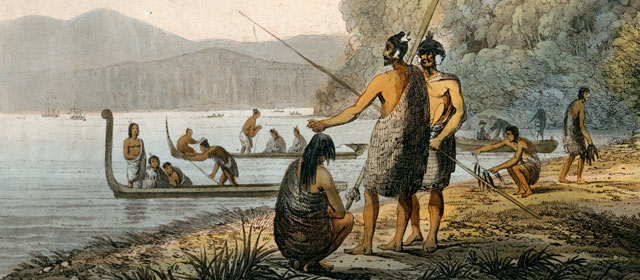
The History of the Māori People: From Early Settlements to Today

iwillnotbebroken.org – The Māori people are the indigenous Polynesian inhabitants of New Zealand, known for their rich cultural heritage, complex social structures, and deep connection to the land. Their history stretches back over a millennium, filled with stories of migration, conflict, adaptation, and cultural flourishing. From their early settlements to their significant role in contemporary New Zealand, the Māori have played a vital role in shaping the nation’s identity. This article explores the history of the Māori people, highlighting key events and developments from their origins to the present day.

Early Settlements: The Great Migration

Māori history begins with the arrival of their ancestors from eastern Polynesia, likely between 1250 and 1300 CE. This migration, known as the Great Migration, was carried out in large ocean-going canoes, or waka, which made the long journey across the Pacific Ocean. Scholars believe these navigators came from islands such as Tahiti, the Marquesas, and the Society Islands.

The Māori settled in the land they named Aotearoa, or “the Land of the Long White Cloud.” Over time, they adapted to their new environment, developing agriculture, hunting, and fishing practices suited to New Zealand’s diverse landscapes. The Māori established complex tribal groupings, known as iwi, with distinct dialects, traditions, and social structures.

The Tribal Era: Society, Culture, and Warfare

Māori society was organized into extended families or whānau, which grouped together to form larger communities known as hapū. These hapū were part of even larger tribal units called iwi, each with its own leadership structures and responsibilities. Leadership was often based on whakapapa (genealogy), with chiefs, or rangatira, playing key roles in decision-making and resource distribution.

Māori culture developed a rich oral tradition, preserving genealogies, legends, and history through stories and songs. The art of carving and weaving flourished, and the Māori constructed impressive fortifications and villages. Their spiritual beliefs were tied to the land, and they practiced animism, believing that everything in nature had a spirit or mauri.

The Māori people were also warriors, and inter-tribal warfare was common during this period. Conflicts over land, resources, and mana (prestige or authority) led to the construction of fortified villages called , which were strategically located for defense. The Māori used advanced weaponry, such as the taiaha (a wooden staff used in hand-to-hand combat) and the merei (a short club), and developed tactical strategies that made them formidable in battle.

European Contact and the Early Colonial Period

The arrival of European explorers in the 17th century marked the beginning of a significant new chapter in Māori history. Dutch explorer Abel Tasman was the first European to sight New Zealand in 1642, but it wasn’t until British explorer Captain James Cook’s arrival in 1769 that sustained contact began. This interaction brought both opportunities and challenges for the Māori people.

The introduction of European goods, such as metal tools, firearms, and cloth, had a profound impact on Māori society. The Māori engaged in trade with Europeans, exchanging food, resources, and later, land. However, the influx of European settlers also led to significant social and cultural disruption, as new diseases such as smallpox and influenza decimated the Māori population.

As the European presence grew, tensions began to rise between Māori tribes and settlers, culminating in the signing of the Treaty of Waitangi in 1840. The treaty, signed between the British Crown and many Māori chiefs, was intended to establish a legal framework for relations between the two groups, securing Māori land rights while granting British settlers sovereignty over the country.

The New Zealand Wars and Loss of Land

Following the signing of the Treaty of Waitangi, relations between Māori and the Crown became increasingly strained. Many Māori, particularly those in the North Island, felt that the treaty had been dishonored as settlers took more land than they had agreed upon. The 19th century saw a series of conflicts known as the New Zealand Wars (or Māori Wars), which were fought between Māori forces and the British military.

The wars were sparked by disputes over land ownership, with Māori fighting to protect their ancestral territories. As a result, large tracts of Māori land were confiscated by the Crown, leading to long-term economic hardship for many Māori communities. The wars also led to the loss of Māori autonomy, and many Māori were forced to relocate to reserves or urban areas.

The Struggle for Identity and Recognition

The late 19th and early 20th centuries were a time of significant upheaval for the Māori people. As Māori communities faced land loss and economic decline, they also struggled to preserve their language and cultural practices in the face of growing European influence. The government promoted policies that sought to assimilate Māori into European ways of life, and Māori children were often forbidden to speak their language in schools.

In response, Māori leaders began advocating for the preservation of their culture and the recognition of their rights. The 20th century saw the rise of the Māori Renaissance, a period of cultural revival and political activism. Māori language, arts, and traditions experienced a resurgence, and Māori activists fought for land rights and social justice.

Māori in Contemporary New Zealand

Today, the Māori people continue to play a central role in the life of New Zealand. While they make up around 15% of the population, Māori culture and language are integral to the nation’s identity. Māori influence is seen in the arts, sports, politics, and the ongoing process of reconciliation between Māori and the Crown.

The Treaty of Waitangi, once a source of division, is now a symbol of partnership, and Māori leaders work alongside the government to address the historical grievances of land loss and treaty breaches. In recent years, the Māori language has been revitalized through education and media, and there has been a growing recognition of Māori rights and tikanga (cultural practices) in legal and political spheres.

Conclusion

The history of the Māori people is one of resilience and adaptation, from their early migration to Aotearoa to their ongoing efforts to preserve and revitalize their culture. The Māori have faced numerous challenges throughout their history, but they have always maintained a strong connection to their land, their ancestors, and their cultural heritage. As New Zealand moves forward, the Māori people continue to shape the nation’s future, while honoring their past and ensuring their place in a diverse and dynamic society.
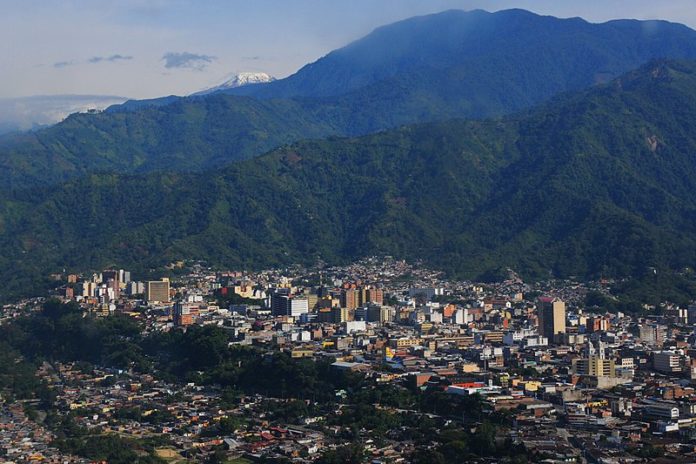
Tolima: A Colombian Gem – Natural Beauty and Cultural Richness

iwillnotbebroken.org – Tolima, a department located in central Colombia, is a land of stunning natural beauty and rich cultural heritage. Its capital city, Ibagué, is a vibrant hub of activity, offering a mix of modern amenities and traditional charm.

Ibagué: A City of Music and Festivals

Ibagué is renowned for its vibrant cultural scene, particularly its music festivals. The Festival Folclórico Colombiano, held annually, is a major cultural event that showcases the diverse musical traditions of Colombia. The city is also home to the National Music Conservatory, which has produced many renowned musicians.

Natural Wonders

Tolima boasts a diverse range of natural landscapes, from snow-capped mountains to lush valleys. Some of the most popular natural attractions in the department include:

  • Nevado del Tolima: A majestic snow-capped volcano, perfect for hiking and skiing.   
  • Parque Nacional Natural Los Nevados: A national park that encompasses several volcanoes, including Nevado del Tolima and Nevado del Ruiz.   
  • Termales del Ruiz: Natural hot springs located near Nevado del Ruiz, offering a relaxing and rejuvenating experience.   
  • Cañón del Combeima: A stunning canyon with breathtaking views and opportunities for hiking, birdwatching, and rafting.

A Culinary Delight

Tolima’s cuisine is a reflection of its rich cultural heritage. Some of the most popular dishes include:

  • Sancocho de Gallina: A hearty soup made with chicken, potatoes, yucca, corn, and a variety of vegetables.   
  • Tamales Tolimenses: A type of tamale made with corn dough, meat, and vegetables.   
  • Arequipe: A sweet caramel sauce made from milk and sugar.

Cayambe: A Majestic Andean Peak

iwillnotbebroken.org – Cayambe is a prominent stratovolcano located in the Eastern Cordillera of the Andes Mountains in Ecuador. Rising to a height of 5,790 meters (18,996 feet), it is the third-highest peak in the country and one of the few equatorial peaks with a permanent snowcap.

A Geological Marvel

Cayambe’s distinctive shape is the result of millions of years of volcanic activity. The volcano’s summit is dominated by a large crater, which is partially filled with a glacier. The surrounding slopes are characterized by steep cliffs, volcanic debris, and glacial valleys.

A Biodiversity Hotspot

Despite its harsh, high-altitude environment, Cayambe is home to a diverse range of flora and fauna. The lower slopes are covered in lush cloud forests, while the higher elevations are characterized by alpine meadows and páramo ecosystems. The volcano’s unique microclimates support a variety of endemic species, including rare orchids, bromeliads, and hummingbirds.

A Challenging Climb

Climbing Cayambe is a challenging endeavor, requiring technical expertise, physical fitness, and the ability to withstand harsh weather conditions. The ascent typically involves navigating glaciers, steep cliffs, and exposed ridges. The summit offers breathtaking panoramic views of the surrounding mountains, including Cotopaxi and Antisana.

A Water Tower for the Region

Cayambe plays a crucial role in the region’s water supply. Its glaciers and snowfields feed numerous rivers and streams, providing water for agriculture, industry, and domestic use. The volcano’s pristine ecosystem is also vital for maintaining biodiversity and regulating climate patterns.

A Protected Paradise

Recognizing the ecological and cultural significance of Cayambe, the Ecuadorian government has designated the area as part of the Cayambe Coca National Park. This protected area helps to conserve the volcano’s unique biodiversity and ensure the sustainability of local communities.

Madrid: A Vibrant Tapestry of History and Modernity

iwillnotbebroken.org – Madrid, the capital of Spain, is a vibrant and cosmopolitan city that seamlessly blends its rich history with modern culture. With its stunning architecture, world-class museums, and lively nightlife, Madrid offers something for everyone.

A Historical Heart

Madrid’s historic center, known as the Madrid de los Austrias, is a captivating maze of narrow, winding streets and impressive squares.

  • Must-See Attractions:
    • Plaza Mayor: A stunning square surrounded by historic buildings, including the City Hall and the Casa de la Panadería.
    • Royal Palace: A magnificent palace that has been the official residence of the Spanish royal family since the 18th century.
    • Puerta del Sol: The heart of Madrid, a bustling square with iconic landmarks like the Kilometre Zero and the Clock Tower.
    • Rastro: A lively flea market where you can find everything from antiques to vintage clothing.

A Modern Metropolis

Beyond its historic core, Madrid is a modern metropolis with a thriving art scene, cutting-edge architecture, and a vibrant nightlife.

  • Must-See Attractions:
    • Museo del Prado: One of the world’s finest art museums, housing masterpieces by artists like Velázquez, Goya, and Titian.
    • Museo Reina Sofía: A world-class museum dedicated to modern and contemporary art, featuring works by Picasso, Dalí, and Miró.
    • Parque del Retiro: A sprawling urban park with beautiful gardens, a boating lake, and a crystal palace.
    • Gran Vía: A bustling avenue lined with shops, theaters, and cinemas.

A Culinary Delight

Madrid is a foodie’s paradise, with a wide range of culinary delights. From traditional tapas bars to Michelin-starred restaurants, there’s something to satisfy every palate.

  • Must-Try Dishes:
    • Cocido Madrileño: A hearty stew made with chickpeas, meat, and vegetables.
    • Croquetas: Crispy fried croquettes filled with various fillings, such as ham, cheese, or seafood.
    • Tortilla de Patatas: A Spanish omelette made with eggs and potatoes.

Madrid is a city that never sleeps. Its lively nightlife, with its countless bars, clubs, and music venues, ensures that there’s always something to do. Whether you’re interested in history, art, culture, or simply enjoying the good life, Madrid has it all.

Teleorman: A Serene Romanian County A Quiet Corner of Romania

iwillnotbebroken.org – Teleorman, a county located in the southern part of Romania, is a region of quiet charm and natural beauty. Known for its fertile plains, the meandering Danube River, and picturesque villages, it offers a serene escape from the hustle and bustle of urban life.   

A Historical Tapestry

While not as historically prominent as other Romanian counties, Teleorman has its own rich history. The region has been inhabited since ancient times, with evidence of Dacian and Roman civilizations. Later, it was part of the Wallachian Principality and the Romanian Kingdom, experiencing various periods of prosperity and hardship.

A Peaceful Rural Retreat

Teleorman is predominantly a rural county, characterized by its picturesque villages and traditional way of life. Visitors can explore the charming towns of Alexandria, the county capital, and Turnu Măgurele, and experience the authentic Romanian countryside. The region’s agricultural landscape, with its vast fields of wheat, corn, and sunflowers, offers a peaceful and idyllic setting.   

Natural Beauty and Outdoor Activities

While not as mountainous as other parts of Romania, Teleorman offers opportunities for outdoor activities, especially for those who appreciate nature and tranquility. The Danube River, which forms the southern border of the county, provides opportunities for fishing, kayaking, and simply enjoying the serene riverbanks. The county’s forests and wetlands are also home to a diverse range of flora and fauna, making it a great place for birdwatching and nature walks.   

A Taste of Romanian Cuisine

Teleorman’s cuisine is a reflection of Romania’s rich culinary traditions. Local specialties include hearty soups, such as ciorbă de burtă (tripe soup), and savory meat dishes, such as sarmale (cabbage rolls). The region is also known for its delicious pastries, including cozonac, a sweet bread often enjoyed during holidays.

A Cultural Experience

While Teleorman may not be as culturally vibrant as some other Romanian regions, it still offers opportunities to experience Romanian traditions and customs. Local festivals and fairs celebrate the county’s agricultural heritage and cultural identity. Visitors can also explore historic churches and monasteries, which offer a glimpse into the region’s religious past.   

Conclusion

Teleorman, with its serene landscapes, rich history, and warm hospitality, is a hidden gem in Romania’s southern region. It offers a peaceful and authentic Romanian experience, perfect for those seeking a tranquil retreat from the hustle and bustle of modern life.

Silesian Voivodeship: A Region of Industry and Culture

iwillnotbebroken.org – Silesian Voivodeship, located in southern Poland, is a region with a rich industrial heritage and a vibrant cultural scene. Its capital city, Katowice, is a modern metropolis that has undergone significant transformation in recent years.

Katowice: A City Reborn

Katowice, once a major industrial center, has emerged as a dynamic city with a focus on culture, education, and technology. The city’s iconic Spodek arena, a unique UFO-shaped building, is a symbol of the region’s industrial past. Today, it hosts concerts, sporting events, and cultural festivals.

The Silesian Museum, one of the largest museums in Poland, houses a vast collection of art, history, and natural history exhibits. The Silesian Opera, with its impressive performances, is a cultural gem of the region.

The Silesian Metropolis

Silesian Voivodeship is part of the Silesian Metropolis, a conurbation of several cities, including Katowice, Bytom, Gliwice, and Sosnowiec. This urban area, with its dense population and industrial heritage, offers a unique cultural experience.

Industrial Heritage

The region’s industrial past is still evident in its towns and villages. The city of Bytom, with its historic mines and blast furnaces, is a reminder of the region’s industrial heyday. The town of Tarnowskie Góry, known for its mining heritage, is a UNESCO World Heritage Site.

Natural Beauty

Despite its industrial past, Silesian Voivodeship boasts stunning natural beauty. The Beskid Mountains, located in the southern part of the voivodeship, offer opportunities for hiking, skiing, and other outdoor activities. The Silesian Beskid Nature Park is a popular destination for nature lovers.

Cultural Life

The region has a rich cultural heritage, with a strong tradition of music, theater, and dance. The Silesian Philharmonic Orchestra, based in Katowice, is one of the leading orchestras in Poland. The region is also known for its folk music and traditional crafts.

Silesian Voivodeship offers a unique blend of industrial heritage, cultural richness, and natural beauty. Whether you’re interested in exploring historic cities, hiking in the mountains, or immersing yourself in local culture, this region has something for everyone.

Discovering Phatthalung: A Hidden Gem in Southern Thailand

iwillnotbebroken.org – Phatthalung, a province in southern Thailand, is often overshadowed by its more famous neighbors. However, this serene destination offers a unique blend of natural beauty, cultural heritage, and traditional Thai lifestyle that makes it a worthwhile visit for those seeking an authentic experience.

Geography and Climate

Location

Phatthalung is nestled in the southern part of Thailand, bordered by the provinces of Nakhon Si Thammarat, Songkhla, and Trang. It is known for its lush landscapes and the large Thale Noi lake.

Climate

The province experiences a tropical climate, with a distinct rainy season from May to October. The best time to visit is during the cooler months from November to February.

Cultural and Historical Significance

Ancient Traditions

Phatthalung is a cradle of traditional Thai culture, known for its shadow play (Nang Talung) and the Manora dance. These art forms have been passed down through generations and are still performed today.

Historical Landmarks

The province boasts several historical sites, including the Wat Khuha Sawan, a revered Buddhist temple with ancient cave paintings and artifacts.

Natural Attractions

Thale Noi Waterfowl Reserve

One of Phatthalung’s most famous attractions is the Thale Noi Waterfowl Reserve, a paradise for bird watchers. This sanctuary is home to over 180 species of birds, making it one of the largest waterfowl reserves in Thailand.

Scenic Mountains and Waterfalls

The province is dotted with scenic mountains and waterfalls, such as Khao Ok Thalu and the Phraiwan Waterfall, offering breathtaking views and hiking opportunities.

Local Cuisine

Unique Flavors

Phatthalung’s cuisine is a delightful blend of southern Thai flavors, known for its spiciness and use of local herbs. Popular dishes include Khanom Jeen Nam Ya, a rice noodle dish served with spicy fish curry.

Markets and Street Food

Visitors can enjoy a vibrant street food scene at local markets, where they can sample a variety of traditional snacks and sweets.

Conclusion

Phatthalung, with its rich cultural heritage and stunning natural landscapes, offers a unique glimpse into the traditional Thai way of life. Whether you’re exploring its historical sites or savoring its local cuisine, Phatthalung promises an unforgettable journey into the heart of Thailand.

Festival Terpopuler di Jepang: Hanami

iwillnotbebroken – Hanami adalah festival yang sangat populer di Jepang, yang dirayakan untuk merayakan musim bunga sakura. Festival ini tidak hanya menjadi momen untuk menikmati keindahan alam, tetapi juga menjadi tradisi yang menghubungkan masyarakat Jepang dengan budaya mereka yang kaya. Berikut adalah artikel lengkap tentang festival Hanami di Jepang.

Hanami, yang berarti “melihat bunga” dalam bahasa Jepang, adalah tradisi yang sudah berlangsung selama ribuan tahun. Awalnya, festival ini hanya dilakukan oleh para bangsawan dan kelompok kelas atas, yang sangat menikmati keindahan bunga sakura. Namun, seiring berjalannya waktu, tradisi ini menjadi lebih merakyat dan kini menjadi salah satu festival paling populer di Jepang.

Hanami biasanya diadakan di bawah pohon sakura, di mana orang-orang berkumpul untuk piknik, minum, dan bernyanyi. Tradisi ini tidak hanya melibatkan aktivitas di luar ruangan, tetapi juga melibatkan berbagai kegiatan sosial dan budaya. Beberapa tempat hanami terkenal menyelenggarakan festival dengan beragam kedai yang menjual minuman dan jajanan pinggir jalan.

Lokasi Terbaik untuk Hanami

Beberapa tempat terbaik untuk menikmati hanami di Jepang termasuk:

  • Ueno Park, Tokyo: Salah satu taman terbesar di Tokyo yang dikelilingi oleh ribuan pohon sakura.
  • Philosopher’s Path, Kyoto: Jalur bersepeda yang indah di sepanjang sungai yang dipenuhi dengan pohon sakura.
  • Hirosaki Castle, Aomori: Taman kastil yang indah dengan lebih dari 2,600 pohon sakura.

Etiket Hanami

Meskipun hanami adalah festival yang penuh kegembiraan, ada beberapa etiket yang harus diikuti untuk menjaga kebersihan dan kesopanan. Beberapa aturan yang wajib dipatuhi termasuk:

  • Membersihkan Lingkungan: Setelah piknik, pastikan untuk membersihkan semua sampah yang dibawa.
  • Tidak Memanjat Pohon: Jangan memanjat pohon sakura atau merusak bunganya.
  • Menghormati Orang Lain: Jangan mengganggu orang lain yang sedang menikmati hanami.

Hanami bukan hanya tentang menikmati keindahan bunga sakura, tetapi juga menjadi simbol transisi musim dan kehidupan. Bunga sakura yang singkat mekar dan jatuh menjadi peringatan akan keindahan dan keberlaluannya. Tradisi ini juga menjadi momen untuk bersosialisasi, memperkuat ikatan sosial, dan merayakan kehidupan.

Hanami adalah festival yang tidak hanya menarik bagi warga Jepang, tetapi juga menjadi daya tarik bagi turis dari seluruh dunia. Dengan sejarah yang kaya dan tradisi yang indah, hanami terus menjadi salah satu festival paling populer di Jepang. Jika Anda pernah berkesempatan untuk mengunjungi slot server jepang saat musim bunga sakura, jangan lewatkan kesempatan untuk merasakan keindahan dan kehangatan dari tradisi hanami ini.

Rodrigo D: No Futuro – A Gritty Exploration of Youth in Turmoil

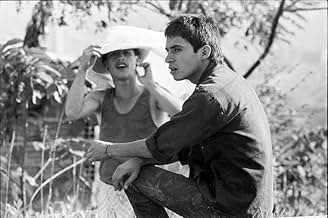
iwillnotbebroken.org – “Rodrigo D: No Futuro” is a Colombian film that paints a stark picture of life among the youth in Medellín during the late 1980s. Directed by Víctor Gaviria and released in 1990, this film offers an unfiltered look into the challenges faced by young people living in poverty and surrounded by violence.

Plot and Themes

The film follows the life of Rodrigo, a teenager with dreams of becoming a drummer in a punk band. However, his aspirations are constantly thwarted by the harsh realities of his environment. Set against the backdrop of a city plagued by crime and drug trafficking, Rodrigo and his friends navigate a world where the future seems bleak.

“Rodrigo D: No Futuro” delves into themes of hopelessness, rebellion, and the search for identity amidst chaos. The film captures the raw energy and desperation of youth living in a society that offers few opportunities for escape or advancement. Rodrigo’s struggle is emblematic of a generation caught in the crossfire of societal neglect and rampant violence.

Realism and Impact

Víctor Gaviria is known for his commitment to realism, and “Rodrigo D: No Futuro” is no exception. The film features non-professional actors, many of whom were living in circumstances similar to those depicted in the movie. This choice adds authenticity and emotional depth, drawing the audience into the harsh realities of life in Medellín’s marginalized neighborhoods.

The film’s gritty portrayal of urban life serves as both a mirror and a critique of society. It highlights the systemic issues that contribute to the cycle of poverty and violence, raising questions about social responsibility and the future of disenfranchised youth. The raw and unpolished aesthetic of the film underscores the urgency of these themes.

Critical Reception and Legacy

“Rodrigo D: No Futuro” was selected for the Cannes Film Festival in 1990, where it gained international recognition for its bold storytelling and unique perspective. Critics praised the film for its unflinching portrayal of difficult subjects and its ability to convey the emotional and psychological landscape of its characters.

The film’s legacy lies in its ability to spark dialogue about the conditions faced by young people in Colombia and similar contexts worldwide. It serves as a poignant reminder of the power of cinema to shine a light on social issues and inspire change. “Rodrigo D: No Futuro” remains a significant work in the canon of Latin American cinema, offering a voice to those often left unheard.

In conclusion, “Rodrigo D: No Futuro” is more than just a film; it is a powerful narrative that captures the struggles and aspirations of a generation. Its impact continues to resonate, prompting reflection on the societal structures that shape the lives of young people in challenging environments.

The Influence of Moorish Architecture in Spain

iwillnotbebroken.org – The architectural landscape of Spain is a fascinating tapestry woven with diverse cultural influences, among which Moorish architecture holds a prominent place. The Moors, who ruled significant parts of the Iberian Peninsula from the 8th to the 15th century, left an indelible mark on Spain’s architectural heritage. Their legacy is evident in the stunning palaces, mosques, and gardens that blend Islamic art and design with local traditions to create a unique and enduring style.

Historical Context

The Moorish period in Spain began with the Umayyad conquest in 711 AD and lasted until the Reconquista was completed in 1492. During this time, the Moors established a sophisticated civilization that was centered in cities like Córdoba, Seville, and Granada. The architectural achievements of this era reflect the Moors’ advanced knowledge of engineering, mathematics, and art, which they combined to create buildings of remarkable beauty and functionality.

Key Architectural Features

Moorish architecture in Spain is characterized by its intricate geometric patterns, elaborate tile work, and masterful use of light and space. Key features include:

  • Horseshoe Arches: A defining element of Moorish design, these arches can be seen in many structures, adding elegance and height.
  • Muqarnas: These are ornamental vaults that create a honeycomb-like effect, often found in domes and ceilings.
  • Arabesques and Calligraphy: Intricate patterns and Arabic script are used to decorate surfaces, emphasizing the artistic and cultural significance of the buildings.
  • Courtyards and Gardens: Inspired by the Islamic paradise garden, these spaces are designed to be tranquil retreats, often featuring water features and lush vegetation.

Iconic Examples

The Alhambra

The Alhambra in Granada is perhaps the most famous example of Moorish architecture in Spain. This palatial complex is a masterpiece of Islamic art and design, with its stunning Nasrid Palaces, the Generalife gardens, and the imposing Alcazaba fortress. The intricate stucco work, beautiful tile mosaics, and serene courtyards of the Alhambra continue to captivate visitors from around the world.

The Mezquita of Córdoba

Originally built as a mosque and later converted into a cathedral, the Mezquita of Córdoba is an architectural marvel that showcases the harmonious blend of Islamic and Christian elements. Its vast hypostyle hall, with rows of double arches and 856 columns, creates a mesmerizing forest of stone that speaks to the grandeur of the Moorish legacy.

The Giralda

The Giralda in Seville began as a minaret for the Great Mosque of Seville and was later incorporated into the city’s cathedral as a bell tower. Its elegant design and height make it one of the most recognizable symbols of the city, reflecting the seamless integration of Moorish and Gothic styles.

Cultural and Aesthetic Legacy

The influence of Moorish architecture extends beyond individual buildings to impact Spanish art, culture, and design. The aesthetic principles of harmony, symmetry, and decorative detail that define Moorish architecture have permeated various aspects of Spanish culture, from literature and music to modern architecture. This cultural fusion is a testament to Spain’s rich and diverse history, where different traditions have come together to create something uniquely beautiful.

Conclusion

Moorish architecture has left an enduring legacy in Spain, shaping its cultural and architectural identity in profound ways. The elegant arches, intricate patterns, and serene spaces continue to inspire and captivate, offering a glimpse into a time when the Iberian Peninsula was a crossroads of civilizations. As visitors explore the remarkable Moorish monuments that dot the Spanish landscape, they are reminded of the enduring beauty and influence of this extraordinary architectural tradition.

Angkor Wat: Cambodia’s Ancient Wonder

iwillnotbebroken.org – Angkor Wat, located in the heart of Cambodia, is more than just a monument; it is a testament to the ingenuity and spirituality of an ancient civilization. As the largest religious monument in the world, Angkor Wat stands as a symbol of Cambodia’s rich cultural and historical heritage. This article delves into the history, architecture, and significance of this remarkable site.

The History of Angkor Wat

Constructed in the early 12th century during the reign of King Suryavarman II, Angkor Wat was originally built as a Hindu temple dedicated to the god Vishnu. Over the centuries, it gradually transformed into a Buddhist temple, reflecting the religious changes in the region. The name “Angkor Wat” translates to “City of Temples,” highlighting its grandeur and importance in the Khmer Empire.

Architectural Marvel

Angkor Wat’s architecture is a stunning example of Khmer classical style. The temple complex is designed to represent Mount Meru, the center of the universe in Hindu and Buddhist cosmology. The central tower rises majestically above the surrounding landscape, flanked by four smaller towers, creating a distinctive silhouette that has become synonymous with Cambodian culture. The intricate bas-reliefs that adorn the walls depict scenes from Hindu mythology and historical events, showcasing the artistic skill and religious devotion of its creators.

Exploring the Temple Complex

Visitors to Angkor Wat can explore a vast array of structures and galleries. The temple’s layout follows a rectangular plan, with the main entrance facing west, a unique orientation that has intrigued historians and archaeologists. As you wander through the corridors, you’ll encounter the famous “Churning of the Ocean of Milk” bas-relief and the gallery of a thousand Buddhas, each telling its own story from the past.

Significance and Legacy

Angkor Wat is not just an architectural wonder; it is a spiritual symbol that continues to hold deep meaning for Cambodians and Buddhists worldwide. It is a UNESCO World Heritage Site, attracting millions of visitors each year who come to admire its beauty and experience its serene atmosphere. The temple complex also plays a vital role in modern Cambodia’s identity, appearing on the national flag and currency.

Visiting Angkor Wat

For those planning to visit Angkor Wat, it is best to explore the site during the early morning or late afternoon to avoid the heat and crowds. The sunrise view over the temple is particularly breathtaking, offering a magical start to your journey. Remember to dress respectfully, as it remains an active place of worship. Exploring the nearby Angkor Thom and Ta Prohm temples can also enrich your trip, providing further insight into the Khmer Empire’s legacy.

Conclusion

Angkor Wat is a timeless masterpiece that continues to captivate and inspire. Its grandeur and historical significance make it a must-see destination for travelers and history enthusiasts alike. Whether you are drawn by its spiritual allure or its architectural brilliance, Angkor Wat offers a unique glimpse into the past, inviting you to discover the mysteries of Cambodia’s ancient civilization.

The Enigma of the Black Forest: Myth and Reality

iwillnotbebroken.org – The Black Forest, known in German as “Schwarzwald,” is a place steeped in mystery and allure. This vast woodland region in southwest Germany is not only a geographical marvel but also a cultural icon rich with legends and folklore. Its dense canopy, dark pine trees, and misty valleys have inspired countless stories of magic, mystery, and wonder.

The Geographical Marvel

The Black Forest stretches over 6,000 square kilometers, offering a breathtaking landscape of rolling hills, deep valleys, and picturesque villages. It’s a haven for outdoor enthusiasts, offering activities like hiking, skiing, and mountain biking. The region also boasts some of the most scenic routes in Germany, such as the Black Forest High Road, which provides panoramic views and access to charming towns like Baden-Baden and Freiburg.

The Myths and Legends

One of the most captivating aspects of the Black Forest is its rich tapestry of myths and legends. It is said to be home to mythical creatures like werewolves, witches, and dwarfs. The Brothers Grimm, who collected many of Germany’s folk tales, found inspiration in the eerie atmosphere of these woods. Stories like “Hansel and Gretel” and “Snow White” are thought to have origins tied to the Black Forest’s dark and mysterious setting.

The Cultural Tapestry

Beyond its natural beauty and folklore, the Black Forest is a cultural hub with a deep-rooted history. The region is famous for its traditional crafts, such as cuckoo clocks, glassblowing, and woodcarving. Visitors can explore local museums, workshops, and markets to discover these artisanal crafts firsthand. Additionally, the Black Forest is renowned for its culinary delights, including the famous Black Forest cake and smoked ham.

Modern Enigmas

While the Black Forest is a place of ancient legends, it also faces contemporary challenges and mysteries. Environmental changes, conservation efforts, and the impact of tourism are ongoing discussions in the region. Researchers and conservationists are working to preserve the unique biodiversity and natural beauty of the forest while balancing the needs of local communities and visitors.

Conclusion

The Black Forest is more than just a natural wonder; it is an enigmatic blend of history, mythology, and culture. Its allure lies in its ability to transport visitors into a world where reality and legend intertwine. Whether you are drawn by the mystery of its legends or the beauty of its landscapes, the Black Forest promises an unforgettable journey into the heart of one of Germany’s most cherished regions.

Marshall Islands’ Cuisine: Traditional Dishes and Ingredients

iwillnotbebroken.org – The Marshall Islands, a picturesque group of atolls in the Pacific Ocean, offers a culinary landscape as rich and diverse as its culture and natural beauty. Traditional Marshallese cuisine is deeply rooted in the islands’ environment, making use of the abundant local resources from both land and sea. From savory dishes to refreshing beverages, the flavors of the Marshall Islands provide an authentic taste of island life.

Traditional Dishes

Bōbōrō (Breadfruit)

Breadfruit is a staple in Marshallese cuisine and is prepared in various ways. Bōbōrō, a traditional dish, involves baking or boiling breadfruit until it becomes soft and tender. It is often served with coconut milk, adding a creamy texture and rich flavor. Breadfruit’s versatility makes it a key ingredient in many local dishes.

Jekaro (Pandanus)

Pandanus, known locally as jekaro, is another essential ingredient in Marshallese cooking. The fruit is typically boiled and mashed to create a sweet, pulpy dish that can be enjoyed on its own or used in desserts. Its unique flavor adds a tropical touch to the island’s culinary offerings.

Kūmara (Sweet Potatoes)

Sweet potatoes, or kūmara, are widely consumed in the Marshall Islands. They are often roasted, boiled, or mashed and served as a side dish. Their natural sweetness complements the savory flavors of fish and other local ingredients, providing a balanced and satisfying meal.

Seafood Delicacies

Irooj (Fish)

As an island nation, the Marshall Islands has a rich tradition of fishing, and fish is a cornerstone of the local diet. Irooj, or fresh fish, is prepared in various ways, including grilling, boiling, or marinating in coconut milk. Tuna, marlin, and wahoo are among the most popular fish varieties, prized for their flavor and abundance.

Bwebwenato (Octopus)

Octopus, known as bwebwenato in Marshallese, is another seafood delicacy enjoyed by locals. It is often grilled or boiled and served with a tangy sauce made from lime juice and chili peppers, highlighting the island’s bold flavors.

Unique Ingredients

Coconut

Coconut is a fundamental ingredient in Marshallese cuisine, used in both savory and sweet dishes. Coconut milk and grated coconut add richness and depth to recipes, while coconut water serves as a refreshing beverage. The versatility of coconut makes it a staple in daily cooking.

Taro

Taro, a root vegetable, is commonly used in Marshallese dishes. It is often boiled or roasted and served as a starchy accompaniment to fish and meat dishes. Taro leaves are also used in soups and stews, offering a nutritious addition to meals.

Conclusion

The cuisine of the Marshall Islands is a reflection of its people and environment, showcasing the abundance of natural resources and the creativity of its culinary traditions. From the ocean’s bounty to the fruits of the land, Marshallese food offers a delightful and authentic taste of island life. As visitors explore the islands, they are invited to savor the unique flavors and traditional dishes that make the Marshall Islands a culinary destination worth discovering.

Wisata Sejarah di Killing Fields Choeung Ek, Phnom Penh: Mengungkap Tragedi Kemanusiaan Kamboja

iwillnotbebroken – Killing Fields Choeung Ek di Phnom Penh, Kamboja, adalah salah satu situs bersejarah yang menjadi saksi bisu dari kekejaman rezim Khmer Merah yang memerintah antara tahun 1975 hingga 1979. Situs ini kini menjadi tempat wisata sejarah yang menggugah kesadaran dan mengingatkan para pengunjung akan pentingnya perdamaian dan kemanusiaan.

Choeung Ek adalah salah satu dari banyak “Killing Fields” atau ladang pembantaian yang tersebar di seluruh Kamboja, di mana ribuan pria, wanita, dan anak-anak dieksekusi dan dikubur secara massal oleh rezim Khmer Merah yang dipimpin oleh Pol Pot. Selama empat tahun kekuasaan mereka, Khmer Merah membunuh sekitar 1,7 juta orang, atau sekitar seperempat populasi Kamboja pada waktu itu, dalam upaya menciptakan masyarakat agraris utopis.

Choeung Ek sendiri terletak sekitar 15 kilometer di luar kota Phnom Penh, dan dulunya merupakan kebun buah. Setelah Khmer Merah berkuasa, tempat ini diubah menjadi lokasi eksekusi bagi tahanan yang dikirim dari Penjara S-21 (sekarang Museum Genosida Tuol Sleng), sebuah pusat penyiksaan yang terletak di Phnom Penh. Di sini, lebih dari 17.000 orang dibunuh secara brutal.

Saat ini, Choeung Ek telah dijadikan memorial genosida untuk menghormati para korban yang tewas. Situs ini menyuguhkan suasana yang tenang, namun sarat dengan kesedihan dan refleksi mendalam. Pengunjung bisa mengikuti tur audio yang mendetail, menjelaskan tentang sejarah kelam tempat ini, termasuk bagaimana para korban dibunuh dan dikuburkan di kuburan massal.

wisata-sejarah-di-killing-fields-choeung-ek-phnom-penh-mengungkap-tragedi-kemanusiaan-kamboja

Memorial utama di Choeung Ek adalah sebuah stupa besar yang berisi ribuan tengkorak korban yang ditemukan di lokasi ini. Tengkorak-tengkorak tersebut ditata berdasarkan usia dan jenis kelamin, memberikan gambaran nyata tentang skala dan kebrutalan genosida tersebut. Kuburan massal yang telah digali sebagian masih terlihat, dengan lubang-lubang besar yang menjadi pengingat bisu akan kekejaman masa lalu.

Killing Fields di Choeung Ek bukan hanya sebuah destinasi wisata, tetapi juga tempat refleksi dan pembelajaran bagi dunia. Melalui kunjungan ke tempat ini, wisatawan diingatkan akan dampak destruktif dari kebencian, intoleransi, dan kekuasaan tanpa batas. Choeung Ek mengajak pengunjung untuk merenungkan pentingnya perdamaian, keadilan, dan upaya kolektif untuk mencegah tragedi serupa terjadi di masa depan.

Bagi banyak pengunjung, tur di Killing Fields menjadi pengalaman emosional yang menyentuh. Mendengar cerita dari saksi sejarah, melihat artefak yang tersisa, dan merasakan suasana sunyi di sekitar kuburan massal adalah pengalaman yang dapat menggugah kesadaran akan nilai kemanusiaan.

wisata-sejarah-di-killing-fields-choeung-ek-phnom-penh-mengungkap-tragedi-kemanusiaan-kamboja

Untuk menuju Killing Fields Choeung Ek, wisatawan bisa menggunakan tuk-tuk atau taksi dari pusat kota Phnom Penh. Perjalanan memakan waktu sekitar 30-45 menit tergantung lalu lintas. Tiket masuk ke Choeung Ek mencakup tur audio, yang tersedia dalam berbagai bahasa, termasuk bahasa Inggris dan Prancis.

Killing Fields Choeung Ek adalah salah satu tempat yang paling penting di kamboja slot dalam mengingatkan dunia akan kebrutalan genosida dan pentingnya belajar dari sejarah. Kunjungan ke situs ini memberikan kesempatan untuk merenung, belajar, dan menghormati korban dari salah satu tragedi kemanusiaan paling kelam di abad ke-20. Bagi mereka yang tertarik dengan wisata sejarah, Choeung Ek adalah destinasi yang menawarkan pengalaman mendalam dan penuh makna.

The World’s Smallest Country: Vatican City

iwillnotbebroken.org – Nestled within the heart of Rome, Italy, lies the world’s smallest independent state, Vatican City. This unique city-state is not only renowned for its diminutive size but also for its profound historical, cultural, and religious significance. With an area of just 109 acres (0.44 square kilometers), Vatican City is the spiritual and administrative headquarters of the Roman Catholic Church, governed by the Pope, who serves as both its head of state and the leader of the worldwide Catholic faith.

A Brief History

The establishment of Vatican City as a sovereign entity is relatively recent, dating back to the Lateran Treaty of 1929 between the Holy See and Italy. This treaty recognized the full sovereignty of the Holy See in the international field and established the current territory of Vatican City. Despite its modern political boundaries, the history of the Vatican is deeply intertwined with the history of Christianity and the Roman Empire, with roots stretching back over two millennia.

Government and Administration

Vatican City operates under a form of absolute monarchy, with the Pope as the supreme legislator, executive, and judicial power. The governance is supported by the Roman Curia, which acts as the central body through which the Pope exercises his authority. The unique nature of Vatican City’s government reflects its primary role as a religious rather than a traditional political entity.

Cultural and Architectural Marvels

Vatican City is home to some of the world’s most renowned cultural and architectural treasures. The St. Peter’s Basilica, with its awe-inspiring dome designed by Michelangelo, stands as a testament to human artistic achievement. The Vatican Museums, housing an extensive collection of art and artifacts, including the Sistine Chapel with its famous ceiling painted by Michelangelo, attract millions of visitors each year.

Economic and Social Life

The economy of Vatican City is primarily supported by the sale of postage stamps and souvenirs, the fees for admission to museums, and the sale of publications. The city-state does not levy taxes on its residents, and its currency, the Vatican euro, is on par with the euro used by many European Union countries. Despite its small size, Vatican City has a robust social structure, providing healthcare, education, and security services to its residents.

International Relations

Vatican City maintains diplomatic relations with over 180 countries, playing a significant role in international affairs, particularly in matters concerning peace, human rights, and religious freedom. Its unique status and the moral authority of the Pope give Vatican City a voice on the global stage that far exceeds its physical size.

Conclusion

Vatican City stands as a microcosm of human achievement and spirituality. Its existence as the world’s smallest country is a testament to the enduring power of faith and the importance of cultural and historical preservation. Despite its limited geographical extent, Vatican City’s influence on the world stage is profound, making it a unique and significant entity in the global community.

Cyprus: A Mediterranean Gem

iwillnotbebroken.org – Nestled in the eastern Mediterranean Sea, Cyprus stands as a captivating island nation that blends rich history, stunning natural beauty, and a vibrant culture. Known as the birthplace of Aphrodite, the ancient Greek goddess of love and beauty, Cyprus has been a crossroads of civilizations for millennia, leaving a tapestry of historical sites and cultural influences.

A Tapestry of History

Cyprus’s history is as old as it is storied. The island has been inhabited since the Neolithic Age, and its strategic location has made it a coveted territory throughout the ages. From the Phoenicians and Greeks to the Romans, Byzantines, and Ottomans, each civilization has left its mark, contributing to the island’s rich tapestry of history. Today, visitors can explore ancient city-kingdoms like Paphos and Kourion, marvel at the well-preserved mosaics, and delve into the island’s fascinating archaeological sites.

Natural Beauty and Tranquility

Beyond its historical riches, Cyprus boasts a stunning natural landscape. The island’s coastline is dotted with golden sandy beaches and crystal-clear waters, offering a perfect retreat for sun-seekers and water sports enthusiasts alike. Inland, the Troodos Mountains rise majestically, providing a cool respite and a haven for hiking and nature lovers. The region is also home to some of the oldest forests in the Mediterranean, including the famous Cedar Valley.

Cultural Vibrancy

Cyprus’s culture is a vibrant mosaic of traditions and influences. The island’s cuisine is a delightful fusion of Mediterranean flavors, with dishes like meze, halloumi cheese, and loukoumades (fried dough balls) being must-tries. The locals are known for their warm hospitality, and festivals and cultural events are celebrated throughout the year, showcasing the island’s music, dance, and arts.

A Modern Destination

While steeped in history, Cyprus is also a modern and dynamic nation. Its capital, Nicosia, is the island’s economic and cultural hub, featuring a mix of old and new. The island’s infrastructure is modern, with excellent transportation links, making it easy to explore. Whether you’re looking to relax on a beach, explore ancient ruins, or enjoy the vibrant nightlife, Cyprus offers something for every traveler.

Conclusion

Cyprus is more than just a Mediterranean island; it’s a living museum, a natural paradise, and a cultural melting pot. Its unique blend of history, natural beauty, and vibrant culture makes it a gem in the heart of the Mediterranean. Whether you’re seeking relaxation, adventure, or a deeper understanding of the past, Cyprus promises an unforgettable experience.

The New President of Sri Lanka: Anura Kumara Dissanayake

iwillnotbebroken.org – On September 22, 2024, Sri Lanka elected Anura Kumara Dissanayake as its new president, marking a significant shift in the country’s political landscape. Dissanayake, a Marxist-leaning leader, has been sworn in as the ninth executive president of Sri Lanka, promising to address the nation’s economic turmoil and fight corruption.

Background and Early Life

Anura Kumara Dissanayake was born on November 24, 1968, in Thambuttegama, Ceylon (now Sri Lanka). His early involvement in politics began in 1988 when he joined the People’s Liberation Front (Janatha Vimukthi Peramuna; JVP) during its second Marxist insurrection. Despite interruptions to his education due to political activities and government persecution, Dissanayake earned a bachelor’s degree in physics from the University of Kelaniya in 1995.

Political Career

Dissanayake entered the Sri Lankan parliament in 2000 as a representative of the JVP. He served as the minister of agriculture, livestock, lands, and irrigation from 2004 to 2005. In 2014, he became the leader of the JVP and began to rehabilitate the party’s image by apologizing for the excesses of the JVP’s insurrections in the 1970s and 1980s.

In 2019, Dissanayake established the National People’s Power (NPP), a progressive coalition of 21 political organizations, and ran in that year’s presidential election, receiving 3 percent of the vote.

Election and Presidency

Dissanayake’s victory in the 2024 presidential election reflects public frustration following Sri Lanka’s 2022 economic collapse, which was driven by corruption, poor monetary policy, the COVID-19 pandemic, and the inability of the previous government to address these issues. His election marks a major turning point in Sri Lankan politics, as he is the first president not to come from a political family.

During his campaign, Dissanayake pledged to fight corruption and bolster the fragile economy. His left-leaning policies and promise of reform resonated with voters, leading to his historic win.

Challenges and Future

As the new president, Dissanayake faces significant challenges, including economic recovery and political reform. His Marxist background and the JVP’s controversial past will require careful navigation to build trust and stability within the country. Dissanayake has already dissolved parliament to pave the way for snap parliamentary elections, signaling his commitment to swift action and reform.

Conclusion

Anura Kumara Dissanayake’s election as Sri Lanka’s new president marks a new era of reform and change. With a pledge to address corruption and economic instability, Dissanayake is poised to lead Sri Lanka through a period of significant transformation. His journey from a student activist to the country’s highest office underscores the potential for political renewal and the power of public will in shaping a nation’s future.

The Global Impact of K-Pop and K-Drama: Korean Pop Culture

iwillnotbebroken.org – In recent years, Korean pop culture has taken the world by storm, captivating audiences across the globe with its unique blend of music, fashion, and storytelling. K-Pop, the vibrant and dynamic music genre, and K-Drama, the engaging and emotionally rich television series, have become symbols of South Korea’s soft power, influencing global trends and fostering a new wave of cultural appreciation.

The Rise of K-Pop

K-Pop, short for Korean Pop, is a genre that combines elements of pop, hip-hop, R&B, and electronic music, often accompanied by intricate dance routines and visually stunning music videos. The genre’s rise to global prominence can be traced back to the late 2000s and early 2010s, with groups like Big Bang, Girls’ Generation, and 2NE1 leading the charge. However, it was BTS, also known as the Bangtan Boys, who truly broke barriers, becoming the first K-Pop act to top the US Billboard 200 chart and amassing a massive international fanbase known as the ARMY.

The Hallyu Wave

The global spread of K-Pop is often referred to as part of the Hallyu Wave, or the Korean Wave, a term that encompasses the growing influence of South Korean culture worldwide. This wave has been facilitated by the internet and social media, allowing fans to connect and share their love for K-Pop across borders.

The Allure of K-Drama

K-Drama, or Korean drama, is a genre of television programs that encompasses a wide range of narratives, from historical and romantic to action-packed and supernatural. These series are known for their high production values, compelling storylines, and the emotional depth of their characters.

Global Appeal

The global appeal of K-Drama lies in its universal themes and the relatability of its characters. Series like “Crash Landing on You,” “Squid Game,” and “Kingdom” have garnered international acclaim, showcasing the diversity and quality of Korean storytelling. Streaming platforms have played a crucial role in making K-Dramas accessible to a global audience, further cementing their place in the international entertainment landscape.

Cultural Exchange and Influence

The global impact of K-Pop and K-Drama extends beyond entertainment, fostering a cultural exchange that influences fashion, beauty, and lifestyle trends worldwide. The distinctive style of K-Pop idols and K-Drama actors has led to the global popularity of Korean beauty products and fashion, with fans eager to emulate their looks.

Language and Tourism

The interest in Korean pop culture has also sparked a global interest in learning the Korean language. Additionally, South Korea has seen a surge in tourism, with fans traveling to experience the locations seen in their favorite K-Pop videos and K-Dramas.

Conclusion

The global impact of K-Pop and K-Drama is a testament to the power of culture to transcend borders and connect people. As South Korea continues to produce innovative and captivating content, the influence of K-Pop and K-Drama is set to grow, further cementing their place in the global entertainment landscape.

The Life and Teachings of Milarepa: Sin – Enlightenment

iwillnotbebroken.org – Milarepa (c. 1052 – c. 1135 CE) is one of Tibet’s most revered yogis and poets, known for his profound spiritual journey and the songs he composed. His life story is a testament to the transformative power of spiritual practice and the pursuit of enlightenment. This article delves into the life, teachings, and legacy of Milarepa, exploring how his experiences and wisdom continue to inspire spiritual seekers today.

Early Life and Transformation

Milarepa’s early life was marked by tragedy and hardship. Born into a wealthy family, he lost his parents at a young age, and his aunt and uncle took over his family’s estate, leaving him and his sister in poverty. Driven by a desire for revenge, Milarepa studied black magic and performed acts of destruction, which led to the deaths of many people. However, he soon realized the gravity of his actions and sought redemption through spiritual practice.

Spiritual Quest

Milarepa’s quest for spiritual enlightenment began when he met his guru, Marpa the Translator. Under Marpa’s guidance, Milarepa underwent rigorous spiritual training, including years of solitary meditation in caves. His practice was characterized by extreme austerity and dedication, often living in isolation and enduring harsh conditions. This period of intense spiritual practice was crucial in his transformation from a vengeful sorcerer to a revered yogi.

Teachings and Songs

Milarepa is renowned for his songs and poems, which are rich in spiritual wisdom and poetic beauty. His songs often reflect his experiences, insights, and the profound truths he discovered through his spiritual journey. These songs serve as a guide for others seeking enlightenment, offering practical advice and spiritual teachings. Milarepa’s teachings emphasize the importance of meditation, compassion, and the cultivation of inner peace.

Legacy and Influence

Milarepa’s legacy extends far beyond his lifetime. He is considered the founder of the Kagyu lineage in Tibetan Buddhism, and his teachings continue to be studied and practiced by Buddhists around the world. His life story and songs have been preserved in the “The Life of Milarepa,” a classic text in Tibetan literature. This text not only recounts his spiritual journey but also provides valuable insights into the nature of reality and the path to enlightenment.

Conclusion

Milarepa’s life is a powerful example of the human capacity for transformation and spiritual growth. His journey from a life of sin to one of profound enlightenment serves as an inspiration for all who seek a deeper understanding of life and the nature of reality. Through his teachings and songs, Milarepa continues to guide spiritual seekers on their path to enlightenment, reminding us of the importance of compassion, meditation, and the pursuit of inner peace.

The Impact of Colonialism on Mozambique’s History

iwillnotbebroken.org – Mozambique, a country located in southeastern Africa, has a rich and complex history that has been significantly shaped by colonialism. The arrival of the Portuguese in the 16th century marked the beginning of a long period of colonial rule that lasted until Mozambique’s independence in 1975. This article explores the profound impact of colonialism on Mozambique’s history, focusing on the economic, social, and political changes that occurred during this period.

Precolonial Mozambique

Before the arrival of the Portuguese, Mozambique was home to various Bantu-speaking peoples who had established complex societies based on agriculture, cattle raising, mining, crafts, and trade. These communities had developed sophisticated social structures and were part of extensive trade networks that extended across East, Central, and Southern Africa. The region was also influenced by Arab traders, who had established settlements along the coast and engaged in the trade of gold, ivory, and slaves.

The Arrival of the Portuguese

The Portuguese explorer Vasco da Gama reached the Mozambican coast in 1498, marking the beginning of Portuguese colonialism in the region. Initially, the Portuguese established trading posts and forts along the coast, gradually expanding their control inland. By the early 16th century, they had gained control of key ports such as Sofala and established garrisons at Sena and Tete on the Zambezi River.

Consolidation of Portuguese Control

Throughout the 19th and early 20th centuries, Portuguese control over Mozambique expanded significantly. The Portuguese employed a strategy of leasing large tracts of land to private companies, which exploited the land and its resources, often at the expense of the local population. This period was characterized by forced labor, high taxes, and the confiscation of land, leading to widespread discontent among the African population.

The New State Regime

The 1926 coup in Portugal led to the establishment of the “New State” regime, which intensified colonial exploitation. The regime consolidated economic control into fewer hands, promoting conditions that favored capital accumulation by Portugal and Portuguese settlers. Despite some improvements in infrastructure and administrative systems, these changes were primarily directed towards benefiting the settler population rather than the indigenous Mozambicans.

The Struggle for Independence

The harsh conditions imposed by the Portuguese colonial regime led to the rise of nationalist movements in Mozambique. The Front for the Liberation of Mozambique (FRELIMO), founded in 1962, launched a guerrilla war against Portuguese rule in 1964. The conflict, known as the Mozambican War of Independence, lasted until 1974 when a military coup in Portugal led to the withdrawal of Portuguese forces and the independence of Mozambique on June 25, 1975.

Legacy of Colonialism

The legacy of colonialism in Mozambique is profound and multifaceted. Economically, the country’s infrastructure and economy were developed primarily to serve the interests of the colonial power, leading to uneven development and dependency. Socially, the colonial period saw the imposition of Portuguese culture and language, which had lasting effects on Mozambique’s identity and nationalism. Politically, the struggle for independence and the subsequent civil war shaped the country’s political landscape, leading to a one-party state under FRELIMO until the early 1990s.

Conclusion

Colonialism had a transformative impact on Mozambique, altering its economic, social, and political structures in ways that continue to influence the country today. The legacy of Portuguese colonialism is a complex mix of development and exploitation, with the effects still being felt in Mozambique’s ongoing efforts to build a stable and prosperous nation.

The History & Culture of the Bahamas

iwillnotbebroken.org – The Bahamas, officially known as the Commonwealth of the Bahamas, is an archipelagic nation located in the northern Caribbean Sea. Comprising over 700 islands, cays, and islets, the Bahamas is a unique blend of history, culture, and natural beauty. This article delves into the rich history and vibrant culture of the Bahamas, exploring its indigenous roots, colonial past, and contemporary identity.

Early History

The Bahamas was originally inhabited by the Lucayan people, a subgroup of the Arawak Indians. These indigenous peoples lived in harmony with the land and sea, developing a sophisticated society long before the arrival of Europeans. The first recorded European contact with the Bahamas occurred in 1492 when Christopher Columbus landed on San Salvador Island during his first voyage to the New World.

Colonial Period

Spanish Occupation

Following Columbus’s discovery, the Bahamas fell under Spanish control. However, the Spanish were more interested in the larger islands of the Caribbean, and the Bahamas remained relatively untouched. The Lucayan population was largely decimated by diseases brought by the Europeans and forced labor.

British Colonization

In 1647, the first European settlers arrived in the Bahamas, primarily English Puritans from Bermuda. The islands became a haven for pirates and privateers during the late 17th and early 18th centuries, a period often referred to as the “Golden Age of Piracy.” Notable figures like Sir Francis Drake and Blackbeard used the Bahamas as a base for their operations.

The Bahamas officially became a British colony in 1717. During the American Revolutionary War, many Loyalists fled to the Bahamas, bringing enslaved Africans with them. This influx significantly shaped the demographic and cultural landscape of the islands, with the majority of the current Bahamian population being of African descent.

Modern History

Independence

The Bahamas gained full independence from the United Kingdom on July 10, 1973. Sir Lynden Pindling became the first Prime Minister of the independent Bahamas. Since then, the country has developed a stable democracy and a growing economy, largely driven by tourism and financial services.

Culture

Music and Dance

Bahamian culture is deeply influenced by its African roots, as well as British and American traditions. Goombay music, a blend of African rhythms and European melodies, is a significant part of Bahamian musical heritage. The Junkanoo festival, held on Boxing Day and New Year’s Day, is a vibrant celebration featuring colorful costumes, music, and dance.

Cuisine

Bahamian cuisine reflects the islands’ rich history and diverse influences. Conch fritters, fish, and other seafood dishes are staples, often prepared with a mix of spices and herbs. The use of local ingredients like cassava, sweet potatoes, and tropical fruits adds to the unique flavor profile of Bahamian cooking.

Art and Literature

The Bahamas has a thriving arts scene, with a strong emphasis on visual arts and literature. The country has produced notable artists and writers who have gained international recognition. The art ecosystem in the Bahamas is dynamic, with various galleries and cultural institutions promoting local talent and preserving the nation’s artistic heritage.

Conclusion

The Bahamas stands as a testament to resilience and cultural richness. From its indigenous roots to its colonial past and modern independence, the country has evolved into a vibrant nation with a unique identity. Its history and culture continue to inspire and attract visitors from around the world, making it a true gem in the Caribbean.

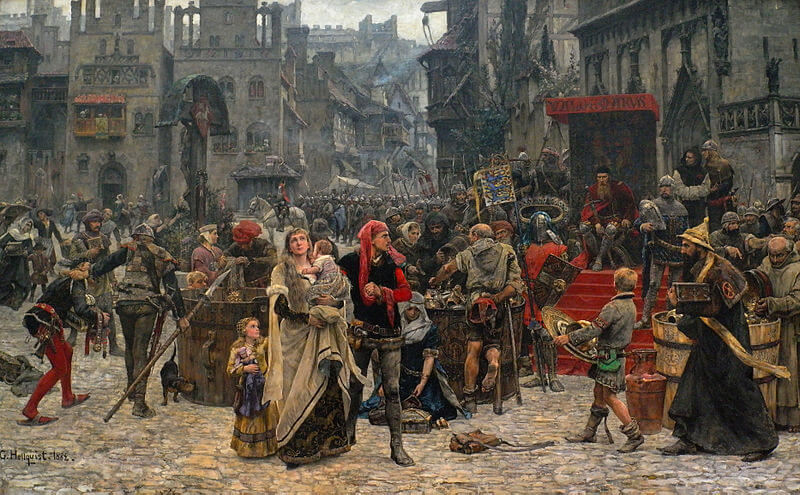
Sweden: A Historical Overview

iwillnotbebroken.org – Sweden, a country located in Northern Europe, has a rich and complex history that spans thousands of years. From its early Viking Age to its modern-day status as a progressive and prosperous nation, Sweden has played a significant role in European history and beyond. This article provides a historical overview of Sweden, tracing its development from ancient times to the present day.

Prehistoric Sweden

The earliest known inhabitants of Sweden date back to the Stone Age, with archaeological evidence suggesting that hunter-gatherers were present in the region around 10,000 BCE. Over the millennia, these nomadic peoples were gradually replaced by agricultural societies, a transition that is marked by the emergence of the Funnel Beaker culture around 4000 BCE.

The Viking Age

The Viking Age, roughly from 793 to 1066 AD, is one of the most iconic periods in Swedish history. During this time, Swedish Vikings, known as Varangians, were renowned for their seafaring skills, exploration, and trade. They established settlements and trade routes across Europe, reaching as far as the Byzantine Empire and the Arab world. The Viking Age also saw the spread of Christianity in Sweden, a process that was largely completed by the 12th century.

The Union of Kalmar

In 1397, Sweden became part of the Kalmar Union, a personal union of the three Scandinavian kingdoms—Denmark, Norway, and Sweden. This union was intended to bring stability to the region, but it was fraught with conflict and power struggles. Sweden eventually broke away from the union in 1523 under the leadership of Gustav Vasa, who became the first king of an independent Sweden.

The Swedish Empire

The 17th century marked the zenith of Swedish power, as the country emerged as a major European power during the Thirty Years’ War. Under the leadership of kings like Gustavus Adolphus and Charles X, Sweden expanded its territories and exerted significant influence over the Baltic region. However, the Great Northern War in the early 18th century led to the loss of much of Sweden’s empire, signaling the end of its era as a dominant European power.

The Age of Enlightenment and Industrialization

The 18th and 19th centuries were periods of relative peace and stability for Sweden. The country embraced the Enlightenment ideals, which led to social and political reforms. The 19th century also saw the beginning of Sweden’s industrialization, a process that transformed the country from a largely agrarian society into a modern industrial nation.

Modern Sweden

The 20th century was a time of significant change for Sweden. The country remained neutral during both World Wars, which allowed it to avoid the widespread destruction experienced by many other European nations. Post-war Sweden became known for its progressive social policies, including a strong welfare state, gender equality, and environmental sustainability. Today, Sweden is a prosperous and democratic country with a high standard of living and a reputation for innovation and design.

In conclusion, Sweden’s history is a testament to the resilience and adaptability of its people. From the early Viking explorers to the modern-day leaders in sustainability and technology, Sweden has left an indelible mark on the world. As the country continues to evolve, its historical legacy remains a source of national pride and a foundation for its future endeavors.

The Land Titles System & Practice in the Kingdom of Saudi Arabia

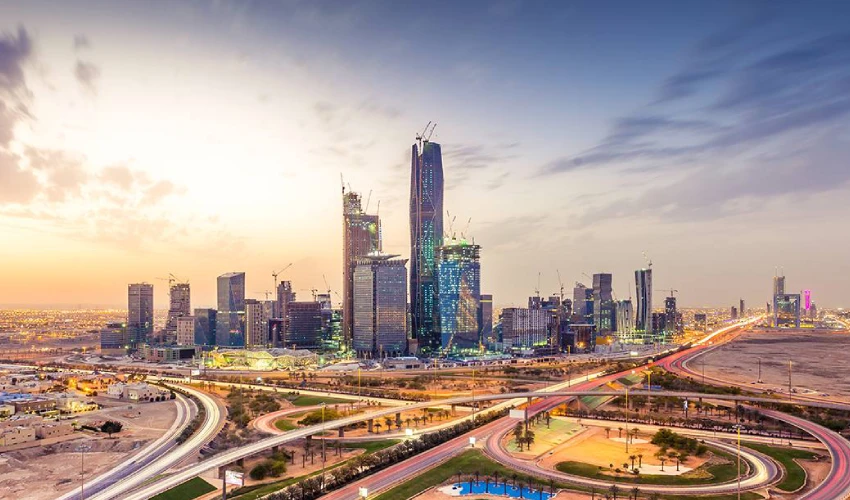
iwillnotbebroken.org – The Kingdom of Saudi Arabia has implemented a comprehensive land titles system to ensure the transparent and efficient management of real estate ownership and registration. This system is governed by the Realty in Kind Registration Law (‘RKR Law’), which was issued by Royal Decree No. M/6 on 9 /2 /1423 H.

Historical Context and Evolution

Historically, title deeds in Saudi Arabia were handwritten, but since 2008, the Ministry of Justice has been working on digitizing these documents to enhance the accuracy and accessibility of land records. This initiative reflects the Kingdom’s commitment to modernizing its land titles system and aligning it with international standards.

Key Components of the Land Titles System

  1. Cadastre and Title Deeds: The cadastre is a public register that contains detailed information about the location, size, and legal status of all properties in Saudi Arabia. Each property is assigned a title deed, which serves as a legal document proving ownership.
  2. Registration Process: The process of registering land titles involves several steps, including the submission of necessary documents, verification of ownership, and the issuance of a title deed. This process is designed to ensure that all land transactions are legally sound and that ownership is clearly established.
  3. Regulatory Framework: The RKR Law provides the legal framework for the land titles system, outlining the procedures for registration, transfer, and maintenance of land titles. This law also mandates the use of digital records to streamline the registration process and enhance transparency.
  4. Future Developments: There are plans to transfer the real estate regulation, including the land titles system, from various ministries to the Real Estate General Authority (REGA). This move is expected to further enhance the efficiency and effectiveness of the land titles system.

Challenges and Future Outlook

While the land titles system in Saudi Arabia is quite functional, there are ongoing efforts to improve it. The transition to a fully digital system, as envisioned by the REGA, will likely address many of the current challenges, such as the need for faster and more secure transactions. Additionally, the integration of advanced technologies like blockchain could further enhance the security and transparency of the land titles system.

Conclusion

The land titles system in Saudi Arabia is a critical component of the Kingdom’s real estate sector, providing a robust framework for managing land ownership and registration. The ongoing efforts to modernize and digitize this system reflect the government’s commitment to creating a more efficient and transparent real estate market. As Saudi Arabia continues to develop, the land titles system will play a crucial role in supporting the growth and stability of the real estate sector.

Situated in Western Europe: France’s Location

iwillnotbebroken.org – France is a country located in Western Europe, known for its rich history, diverse culture, and iconic landmarks. It is bordered by several other European nations, including Belgium, Luxembourg, Germany, Switzerland, Italy, Monaco, and Andorra, as well as the Atlantic Ocean to the west and the Mediterranean Sea to the south.

Geographical Overview

France’s geographical location is a significant factor in its historical development and its current status as a major European power. The country spans an area of approximately 551,695 square kilometers, making it the largest nation in Western Europe. Its varied landscape includes coastal plains, rolling hills, and mountain ranges such as the Alps in the east and the Pyrenees in the southwest.

Strategic Importance

France’s location has played a crucial role in its history, particularly during the numerous conflicts that have shaped the continent. Its central position in Western Europe has made it a crossroads for trade, culture, and military campaigns. The country’s extensive coastline provides access to both the Atlantic Ocean and the Mediterranean Sea, facilitating maritime trade and naval operations.

Cultural and Economic Hub

As a cultural and economic hub, France’s location has contributed to its influence on the global stage. The country is renowned for its contributions to art, fashion, cuisine, and philosophy. Paris, the capital city, is often considered the heart of France and a symbol of the nation’s cultural richness. It is home to world-famous landmarks such as the Eiffel Tower, the Louvre Museum, and Notre-Dame Cathedral.

International Relations

France’s strategic location has also been a key factor in its international relations. As a founding member of the European Union and a permanent member of the United Nations Security Council, France plays a vital role in international diplomacy and security. Its location allows it to maintain close ties with its European neighbors while also projecting influence across the globe.

Conclusion

France’s location in Western Europe is more than just a geographical fact; it is a cornerstone of the country’s identity, history, and global significance. From its cultural heritage to its economic strength and its role in international affairs, France’s position at the heart of Europe continues to shape its destiny.

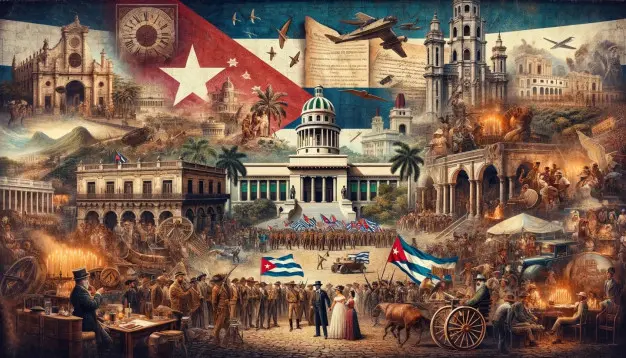
Cuba: A Journey Through Time and Revolution

iwillnotbebroken.org – Cuba, an island nation in the Caribbean Sea, has a rich history that is deeply intertwined with its revolutionary spirit. From its indigenous Taíno roots to the Spanish colonial era, and the triumph of the Cuban Revolution in 1959, the island has been a crucible of cultural and political change. This article explores the historical journey of Cuba, highlighting its pivotal moments and the enduring legacy of its revolution.

The Indigenous Taíno and Spanish Conquest

Before the arrival of Christopher Columbus in 1492, Cuba was inhabited by the Taíno people, who had a profound connection to the land and its resources. The Spanish conquest marked the beginning of a colonial period that lasted for over four centuries, during which the island became a key player in the transatlantic slave trade and a strategic military outpost for Spain.

The Struggle for Independence

The 19th century was a time of great turmoil as Cubans fought for independence from Spanish rule. The Ten Years’ War (1868-1878) and the Little War (1879-1880) were early attempts to break free from colonial oppression. It was not until the Spanish-American War in 1898 that Cuba gained its formal independence, although it soon found itself under the influence of the United States.

The Rise of Fulgencio Batista and the Cuban Revolution

In the early 20th century, Cuba experienced political instability and economic hardship. Fulgencio Batista emerged as a dominant figure, initially as a reformist but later as a dictator. His regime was marked by corruption and repression, setting the stage for the Cuban Revolution. On July 26, 1953, Fidel Castro led an attack on the Moncada Barracks, which became a catalyst for the revolution. After years of guerrilla warfare, the 26th of July Movement, led by Castro, Che Guevara, and others, triumphed on January 1, 1959, leading to the establishment of a socialist state.

The Revolutionary Government and Its Impact

The Cuban Revolution brought about significant social and economic reforms, including land redistribution, nationalization of industries, and the introduction of free education and healthcare. However, it also led to a massive exodus of Cubans, particularly after the Bay of Pigs Invasion in 1961 and the Cuban Missile Crisis in 1962, which brought the world to the brink of nuclear war.

Cuba in the Modern Era

In the decades that followed, Cuba maintained a close relationship with the Soviet Union until its collapse in 1991. The loss of Soviet support plunged Cuba into a severe economic crisis known as the “Special Period.” The country has since diversified its economy, focusing on biotechnology, tourism, and medical services.

The Legacy of the Revolution

The Cuban Revolution has left a lasting impact on the island and the world. It has been both celebrated and criticized for its achievements and shortcomings. The death of Fidel Castro in 2016 and the subsequent presidency of his brother Raúl, and then Miguel Díaz-Canel, have raised questions about the future direction of the country.

Conclusion

Cuba’s journey through time and revolution is a testament to the resilience and spirit of its people. From the Taíno heritage to the colonial past and the revolutionary present, Cuba’s history is a complex tapestry of struggle, triumph, and transformation. As the island continues to navigate its path forward, the legacy of its revolutionary past remains a defining feature of its national identity.

The Unique Allure of Burundi Coffee Beans

iwillnotbebroken.org – Burundi, a small landlocked country in East Africa, is renowned for its exceptional coffee beans that have captured the attention of coffee connoisseurs worldwide. Despite its modest size and the challenges it faces, Burundi has carved out a niche for itself in the specialty coffee market, thanks to its high-quality arabica beans.

The Terroir of Burundi

The unique terroir of Burundi, characterized by its fertile volcanic soils, high altitudes, and abundant rainfall, provides an ideal environment for coffee cultivation. The country’s climate and topography are perfectly suited for arabica coffee, which thrives in the cool, wet conditions of the region’s mountains.

Traditional Farming Methods

Coffee production in Burundi is predominantly carried out by smallholder farmers who use traditional farming methods. These methods, while labor-intensive, ensure that the beans are grown with care and attention, contributing to their superior quality. The farmers often belong to cooperatives, which help them access better markets and prices for their coffee.

Processing Techniques

The processing of Burundi coffee beans is another factor that contributes to their distinctive flavor profile. The beans are typically wet-processed, a method that involves removing the fruit from the beans before they are dried. This process helps to highlight the natural sweetness and acidity of the beans, resulting in a cup that is both complex and balanced.

The Flavor Profile

Burundi coffee beans are celebrated for their unique flavor profile, which often includes notes of red fruit, citrus, and sometimes a hint of chocolate. The beans are known for their bright acidity, clean finish, and overall balance, making them a favorite among coffee enthusiasts.

Sustainability and Fair Trade

Sustainability and fair trade practices are increasingly important in the coffee industry, and Burundi coffee is no exception. Many of the cooperatives in Burundi are committed to sustainable farming practices and fair trade principles, ensuring that the farmers receive a fair price for their coffee and that the environment is protected for future generations.

The Impact of Coffee on Burundi’s Economy

Coffee is a significant economic driver for Burundi, with a substantial portion of the population involved in its cultivation and processing. The success of Burundi coffee on the international market has helped to improve livelihoods and provide a source of income for many families in the country.

Conclusion

Burundi coffee beans are a testament to the country’s dedication to quality and tradition. From the unique terroir to the meticulous processing and commitment to sustainability, every step of the coffee production process in Burundi is designed to produce beans of the highest caliber. As the demand for specialty coffee continues to grow, Burundi’s beans are sure to remain a cherished commodity among coffee lovers around the globe.

The Role of Tourism in Grenada’s Economy

iwillnotbebroken.org – Grenada, often referred to as the Spice Island due to its production of nutmeg and mace, has a rich cultural heritage and natural beauty that make it an attractive destination for tourists. The tourism sector plays a crucial role in the economic landscape of Grenada, contributing significantly to its GDP, employment, and foreign exchange earnings. This article explores the multifaceted impact of tourism on Grenada’s economy.

Economic Contribution of Tourism

Tourism is one of the primary sources of income for Grenada. The sector generates a substantial portion of the country’s GDP, with direct and indirect contributions to various economic activities. The influx of tourists stimulates demand for goods and services, including accommodation, transportation, dining, and entertainment, thereby driving economic growth.

Employment Opportunities

The tourism industry is a significant employer in Grenada, providing jobs across multiple skill levels and sectors. From hotel staff and tour guides to artisans and farmers, many Grenadians rely on tourism for their livelihoods. The sector also fosters entrepreneurship, as locals are encouraged to start businesses that cater to tourist needs, such as souvenir shops, tour companies, and culinary establishments.

Foreign Exchange Earnings

Tourism is a major source of foreign exchange for Grenada. The revenue generated from international visitors helps to balance the country’s trade deficit and supports the importation of goods and services that are not produced locally. These earnings are vital for the country’s economic stability and development.

Infrastructure Development

The growth of tourism in Grenada has led to improvements in infrastructure, including transportation, accommodation, and telecommunications. These developments not only enhance the tourist experience but also benefit the local population by providing better access to services and facilities.

Cultural Preservation and Promotion

Tourism plays a role in the preservation and promotion of Grenada’s cultural heritage. It encourages the maintenance of historical sites, the continuation of traditional practices, and the celebration of local festivals. This cultural tourism attracts visitors interested in authentic experiences, further boosting the economy.

Environmental Impact

While tourism brings economic benefits, it also poses environmental challenges. Grenada must balance the need for development with the preservation of its natural resources. Sustainable tourism practices are essential to protect the island’s biodiversity and ensure that future generations can enjoy the same attractions.

Conclusion

Tourism is an integral part of Grenada’s economy, providing economic benefits, employment opportunities, and foreign exchange earnings. However, it is crucial for Grenada to manage tourism growth responsibly, ensuring that it remains sustainable and beneficial for both visitors and locals. By doing so, Grenada can continue to thrive as a premier tourist destination in the Caribbean.

Switzerland’s Economic Outlook: Inflation and Reform Challenges

iwillnotbebroken.org – Switzerland, known for its economic stability and high standard of living, is currently navigating through a period of inflation and the need for structural reforms. The economic outlook for the country is a mix of challenges and opportunities, as it seeks to maintain its competitive edge in a rapidly changing global environment.

The Impact of Inflation

Rising Costs and Consumer Prices

One of the primary challenges facing Switzerland’s economy is inflation. The rising costs of goods and services have led to increased consumer prices, affecting households and businesses alike. This inflationary pressure is partly due to global factors such as supply chain disruptions and energy price hikes, as well as domestic demand.

Monetary Policy Responses

The Swiss National Bank (SNB) has been actively managing the situation, implementing monetary policies aimed at curbing inflation without stifling economic growth. Interest rate adjustments and interventions in the foreign exchange market are among the tools being used to navigate these turbulent waters.

The Need for Structural Reforms

Addressing Labor Market Rigidities

To sustain economic growth and competitiveness, Switzerland is also focusing on structural reforms. One area of concern is the labor market, where rigidities and high labor costs can hinder productivity and innovation. Reforms aimed at increasing flexibility and reducing bureaucratic hurdles are being considered to address these issues.

Pension System Overhaul

Another critical area is the pension system, which faces long-term sustainability challenges due to demographic changes and low interest rates. Proposals for pension reforms include adjusting retirement ages, increasing contribution rates, and revising investment strategies to ensure the system remains viable for future generations.

Economic Outlook and Forecasts

Growth Projections

Despite the challenges, Switzerland’s economic outlook remains relatively positive. The country’s strong financial sector, robust export industry, and highly skilled workforce continue to be key drivers of growth. However, the pace of recovery and future growth will largely depend on how effectively the country manages inflation and implements necessary reforms.

Potential Risks and Opportunities

Potential risks include further global economic downturns, geopolitical tensions, and the unpredictable nature of inflation. Opportunities lie in leveraging Switzerland’s strengths in innovation, sustainability, and digitalization to create new growth sectors and enhance productivity.

Conclusion

Switzerland’s economic outlook is characterized by the dual challenge of managing inflation and implementing structural reforms. While the country faces headwinds, its strong economic fundamentals and proactive policy responses position it well to navigate these challenges. As Switzerland continues to adapt and innovate, it is poised to maintain its status as a leading economic powerhouse in Europe and beyond.

The People of Suriname: Diversity & Unity

iwillnotbebroken.org – Suriname, a small country on the northeastern coast of South America, is a vibrant mosaic of cultures, languages, and traditions. Its population is a testament to the country’s rich history of immigration and indigenous heritage, creating a unique tapestry of diversity. Despite the varied backgrounds, the people of Suriname have woven together a society that celebrates unity in diversity.

The Historical Tapestry

The history of Suriname is marked by waves of migration and colonization. Originally inhabited by indigenous tribes such as the Arawak and Carib, the land saw the arrival of European colonizers in the 16th century. The Dutch established plantations, which led to the forced migration of African slaves. In the 19th and 20th centuries, indentured laborers from India, Java, and China were brought to work on these plantations. This complex history has shaped the demographic landscape of Suriname, making it one of the most ethnically diverse countries in the world.

Ethnic Diversity

Suriname’s population is divided into several ethnic groups, each contributing to the country’s cultural richness. The largest group is the East Indians, followed by the Creoles, Javanese, Maroons (descendants of escaped slaves), indigenous peoples, and people of Chinese, European, and Middle Eastern descent. This diversity is reflected in the country’s languages, religions, and traditions.

Cultural Celebrations

The cultural diversity of Suriname is celebrated through numerous festivals and events throughout the year. Phagwa, the Hindu festival of colors, is a national holiday that sees participation from people of all backgrounds. Other significant celebrations include the Chinese New Year, Eid al-Fitr, and Christmas, each observed with enthusiasm and inclusivity.

Language and Religion

Suriname’s linguistic diversity is as rich as its cultural tapestry. Dutch is the official language, but English, Sranan Tongo (a Creole language), and Hindi are also widely spoken. The country’s religious landscape is equally diverse, with Hinduism, Christianity, Islam, and indigenous beliefs coexisting peacefully.

Challenges and Opportunities

While Suriname’s diversity is a source of pride, it also presents challenges. Balancing the needs and rights of various ethnic groups requires careful governance and policies that promote social cohesion. The government and civil society organizations work to address issues such as inequality and discrimination, striving to ensure that all Surinamese have equal opportunities for education, employment, and political participation.

Conclusion

The people of Suriname embody the essence of diversity and unity. Their shared history of migration and coexistence has created a nation that values multiculturalism and inclusivity. Despite the challenges, Suriname’s diverse population continues to thrive, celebrating their differences while working together to build a harmonious and prosperous society.
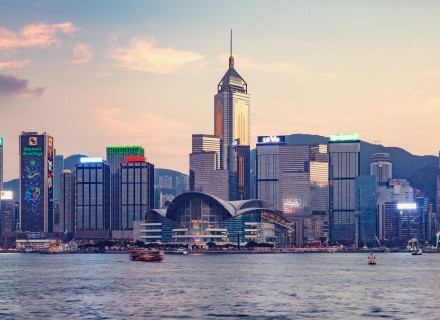
A Rich Ecosystem of Marine Life: The Wildlife of Palau

iwillnotbebroken.org – Palau, an archipelago nation in the western Pacific Ocean, is renowned for its breathtaking marine life and diverse ecosystems. With over 500 species of fish, 700 types of corals, and numerous other marine organisms, Palau’s underwater world is a treasure trove for divers, snorkelers, and marine biologists alike. The country’s commitment to conservation has helped preserve its natural beauty, making it one of the most biodiverse marine environments on the planet.

1. The Coral Reefs of Palau

The heart of Palau’s marine ecosystem is its vibrant coral reefs. These reefs are not only crucial for the survival of countless marine species but also act as natural barriers that protect the islands from the full force of ocean waves. The Rock Islands, a UNESCO World Heritage site, are particularly famous for their stunning limestone formations and the surrounding coral gardens.

2. Marine Life Diversity

Palau’s waters are home to a plethora of marine life, including some rare and endangered species. The Mandarin Fish, with its vibrant colors and unique mating rituals, can be spotted in the waters around Palau. The region is also known for its large populations of manta rays and sharks, which are vital to the health of the marine ecosystem.

3. Conservation Efforts

Recognizing the importance of its marine life, Palau has implemented strict conservation measures. The country has banned commercial fishing and established marine sanctuaries to protect its natural resources. These efforts have helped maintain the delicate balance of the ecosystem and ensure that future generations can enjoy the wonders of Palau’s marine life.

4. Diving and Snorkeling in Palau

For visitors, Palau offers unparalleled diving and snorkeling experiences. The Blue Corner and Blue Holes are famous dive sites where divers can witness large schools of fish, sharks, and other marine creatures. The Jellyfish Lake, another popular attraction, is home to millions of non-stinging jellyfish, offering a surreal swimming experience.

5. The Importance of Palau’s Marine Ecosystem

Beyond its aesthetic appeal, Palau’s marine ecosystem plays a critical role in global biodiversity. The health of its coral reefs and the abundance of marine life serve as indicators of the overall well-being of the planet’s oceans. By protecting its natural environment, Palau contributes to the conservation of marine ecosystems worldwide.

In conclusion, Palau’s marine life is a testament to the beauty and complexity of the underwater world. Through careful conservation and sustainable tourism, Palau continues to be a beacon of hope for marine conservation, offering a glimpse into the wonders of the ocean’s biodiversity.

A Global Hub: Hong Kong’s Financial Markets

iwillnotbebroken.org – Hong Kong has long been recognized as a leading global financial hub, boasting a robust and dynamic financial market that plays a pivotal role in the global economy. Its strategic location, coupled with a well-regulated environment and a deep pool of financial expertise, has positioned Hong Kong as a bridge between the East and the West, facilitating international trade and investment flows.

The Foundation of Hong Kong’s Financial Markets

Hong Kong’s financial markets are built on a solid foundation of legal and regulatory frameworks that ensure transparency, fairness, and efficiency. The Hong Kong Monetary Authority (HKMA) and the Securities and Futures Commission (SFC) are the key regulatory bodies that oversee the banking sector and the securities and futures markets, respectively. These institutions have established a reputation for maintaining high standards of integrity and investor protection.

The Stock Exchange of Hong Kong (HKEX)

The Stock Exchange of Hong Kong (HKEX) is one of the world’s leading stock exchanges, offering a wide range of financial products and services. It is the primary venue for companies seeking to raise capital through initial public offerings (IPOs) and secondary offerings. The HKEX has been particularly successful in attracting listings from mainland Chinese companies, making it a gateway for international investors looking to gain exposure to the Chinese market.

Hong Kong’s Role in Global Finance

Hong Kong serves as a critical link in the global financial network, offering a wide array of financial services including banking, asset management, insurance, and wealth management. Its status as a Special Administrative Region (SAR) of China grants it a unique position that allows it to operate with a high degree of autonomy, including its own currency, the Hong Kong dollar, which is pegged to the US dollar.

The Impact of Geopolitical Factors

Despite its strategic importance, Hong Kong’s financial markets are not immune to geopolitical tensions. The city’s relationship with mainland China and its position in the broader context of US-China relations can influence market sentiment and investor confidence. However, Hong Kong’s resilient financial infrastructure and its ability to adapt to changing circumstances have helped it navigate these challenges.

Future Prospects

Looking ahead, Hong Kong’s financial markets are poised to continue their role as a global hub. The city’s commitment to innovation and technology, particularly in fintech, is expected to drive further growth and development. Additionally, the Greater Bay Area initiative, which aims to integrate Hong Kong with neighboring cities in the Pearl River Delta, presents new opportunities for expansion and collaboration.

Conclusion

Hong Kong’s financial markets have established themselves as a cornerstone of the global financial system. Through a combination of strategic location, robust regulation, and a forward-looking approach to innovation, Hong Kong is well-positioned to maintain its status as a leading financial hub. As the city continues to evolve and adapt, it will undoubtedly play an increasingly significant role in shaping the future of global finance.

The Vibrant Sports Culture in North Macedonia

iwillnotbebroken.org – North Macedonia, a landlocked country in the Balkan Peninsula, boasts a rich and vibrant sports culture that reflects its diverse history and the resilience of its people. From traditional sports to modern athletic pursuits, the nation has carved out a unique identity on the international sports scene.

Traditional Sports and Games

The sports culture in North Macedonia is deeply rooted in traditional activities that have been passed down through generations. One such traditional sport is “Albanski Kol,” a form of folk dance that requires strength, agility, and endurance. This dance is often performed at cultural events and festivals, showcasing the athleticism and unity of the community.

Another traditional game is “Belote,” a card game that is not only popular in North Macedonia but also across the Balkans. While not a sport in the traditional sense, Belote is a competitive game that requires strategy and skill, and it is often played with great enthusiasm among friends and family.

Football: The National Passion

Football (soccer) is the most popular sport in North Macedonia, capturing the hearts of the nation. The national team, despite facing tough competition from more established footballing nations, has shown remarkable spirit and determination. The success of players like Goran Pandev, who became a national hero after scoring the winning goal in a crucial UEFA Euro 2020 qualifier, has further fueled the passion for football in the country.

The domestic league, the Macedonian First Football League, features teams such as FK Vardar and FK Rabotnički, which have a strong following and contribute to the vibrant football culture.

Other Popular Sports

Basketball is another sport that enjoys significant popularity in North Macedonia. The national team has had notable performances in international competitions, and the domestic league features talented players who compete with great fervor.

Handball, volleyball, and athletics also have their place in the nation’s sports culture, with athletes representing North Macedonia on the international stage and achieving commendable results.

Sports Infrastructure and Development

The government of North Macedonia recognizes the importance of sports in national development and has invested in infrastructure to support the growth of various sports. Stadiums, training facilities, and sports academies have been established to nurture young talent and provide the necessary resources for athletes to excel.

Conclusion

The sports culture in North Macedonia is a testament to the nation’s spirit and its people’s love for competition and camaraderie. Whether it’s through traditional games, football, basketball, or other sports, North Macedonians display a deep passion and commitment to athletic excellence. As the country continues to develop its sports infrastructure and support its athletes, the future of sports in North Macedonia looks bright, promising more success and recognition on the international stage.

A Gateway to the Philippines: The Vibrant City of Manila

iwillnotbebroken.org – Manila, the capital city of the Philippines, is a bustling metropolis that seamlessly blends the old with the new. As the country’s political, economic, and cultural hub, Manila is a melting pot of diverse traditions, modern advancements, and historical landmarks. This article delves into the heart of Manila, exploring its rich heritage, vibrant culture, and the challenges it faces as it strides into the future.

Historical Roots and Colonial Influence

Manila’s history dates back to the 16th century when it became a significant port city under Spanish colonial rule. The city’s architecture and layout still bear the marks of this era, with the historic Walled City of Intramuros serving as a testament to its colonial past. Intramuros, which means “within the walls” in Latin, is home to ancient churches, government buildings, and the iconic Fort Santiago, offering a glimpse into the city’s historical depth.

Cultural Tapestry

The city’s culture is a rich tapestry woven from the threads of its indigenous heritage, Spanish colonial influence, and American occupation. This cultural diversity is evident in the city’s festivals, cuisine, and art. The annual Binondo Food Crawl, for example, celebrates the flavors of Manila’s Chinatown, while the vibrant Feast of San Juan Bautista showcases the city’s Spanish Catholic roots.

Economic Powerhouse

Manila is the economic center of the Philippines, hosting the country’s main financial district, Makati, and the burgeoning business hub of Bonifacio Global City. These areas are home to multinational corporations, financial institutions, and startups, contributing significantly to the city’s status as one of Southeast Asia’s emerging economic powerhouses.

Challenges and Opportunities

Despite its rapid growth and development, Manila faces several challenges, including traffic congestion, pollution, and urban poverty. The city’s government is working to address these issues through infrastructure projects, public transportation improvements, and urban renewal initiatives. These efforts aim to create a more sustainable and livable city for its residents and visitors.

A City of Contrasts

Manila is a city of contrasts, where opulent skyscrapers stand beside historic churches, and bustling markets coexist with tranquil parks. It is a place where the past and present converge, offering a unique experience to those who visit or call it home.

Conclusion

Manila is more than just the capital of the Philippines; it is a city that embodies the country’s spirit. With its rich history, vibrant culture, and dynamic economy, Manila stands as a testament to the resilience and creativity of its people. As it continues to evolve, Manila remains a gateway to understanding the Philippines’ complex and fascinating identity.

Superfoods for Kids’ Immune Systems: The Antioxidant Arsenal

iwillnotbebroken.org – In the quest to keep our children healthy and strong, we often look for the best ways to boost their immune systems. One of the most effective strategies is to arm them with a diet rich in antioxidants. These powerful compounds help to neutralize harmful free radicals in the body, reducing oxidative stress and inflammation, and ultimately supporting a robust immune system. Here are some superfoods that are packed with antioxidants, making them excellent choices for your kids’ diets.

Berries: Nature’s Candy

Berries are not only delicious but also incredibly nutritious. Blueberries, strawberries, raspberries, and blackberries are all high in antioxidants such as anthocyanins, which give them their vibrant colors and health benefits. These antioxidants help to protect cells from damage, which is crucial for maintaining a strong immune system.

Dark Chocolate: A Guilty Pleasure

Yes, chocolate can be good for you—in moderation, of course. Dark chocolate is rich in antioxidants like flavonoids, which have been shown to improve blood flow and lower blood pressure. When choosing dark chocolate for your kids, look for options with a high cocoa content (at least 70%) and limit their intake to a small serving.

Leafy Greens: The Foundation of a Healthy Diet

Leafy greens like spinach, kale, and Swiss chard are antioxidant powerhouses. They are loaded with vitamins A, C, and E, as well as various antioxidant carotenoids. These nutrients are essential for supporting the immune system and overall health.

Nuts and Seeds: A Crunchy Antioxidant Boost

Nuts and seeds, such as almonds, walnuts, flaxseeds, and chia seeds, are excellent sources of vitamin E, an important antioxidant that helps to protect cell membranes from damage. They also provide healthy fats and protein, making them a great snack option for kids.

Citrus Fruits: A Zesty Source of Vitamin C

Citrus fruits like oranges, lemons, and grapefruits are well-known for their high vitamin C content. Vitamin C is a powerful antioxidant that supports the immune system by enhancing the function of white blood cells, which are crucial for fighting off infections.

Turmeric: The Golden Antioxidant Spice

Turmeric contains curcumin, a potent antioxidant with anti-inflammatory properties. Adding turmeric to your kids’ meals can help to reduce inflammation and support immune function. It can be used in a variety of dishes, from curries to smoothies.

Green Tea: A Sip of Antioxidant Goodness

Green tea is rich in catechins, a type of antioxidant that has been shown to have numerous health benefits. While it’s important to limit caffeine intake in children, a small amount of green tea can be a healthy addition to their diet.

Incorporating Antioxidant Superfoods into Your Kids’ Diet

The key to incorporating these superfoods into your kids’ diet is to make them appealing and accessible. Here are a few tips:

  • Make Smoothies: Blend berries, leafy greens, and a small amount of dark chocolate with yogurt or milk for a delicious and nutritious smoothie.
  • Snack Smart: Offer nuts and seeds as a snack, or sprinkle them on salads and yogurt.
  • Cook with Antioxidants: Use turmeric in cooking and add citrus zest to dishes for a burst of flavor and antioxidants.
  • Be Creative: Kids love variety, so get creative with how you serve these superfoods. Think of fun ways to incorporate them into meals and snacks.

By including these antioxidant-rich superfoods in your children’s diet, you’re not only supporting their immune systems but also setting the foundation for a lifetime of healthy eating habits. Remember, a balanced diet that includes a variety of fruits, vegetables, whole grains, lean proteins, and healthy fats is the best way to ensure your kids get all the nutrients they need to thrive.

Tacos: Mexico’s Flavorful Street Food

iwillnotbebroken.org – Tacos, the quintessential symbol of Mexican cuisine, are more than just a dish; they are a cultural phenomenon that has captivated the world with their simplicity, variety, and, most importantly, their flavor. Originating from the streets of Mexico, tacos have evolved from a humble street food to a global culinary sensation, celebrated for their versatility and the myriad of flavors they offer.

The Origins of Tacos

The history of tacos dates back centuries, with the concept of using a tortilla as an edible spoon to hold food believed to have originated with the Aztecs. The word “taco” itself comes from the Mexican silver mines, where it referred to the small explosive charges used to break up ore, a nod to the way the tortilla wraps around its filling.

The Variety of Tacos

One of the most fascinating aspects of tacos is their diversity. From the coastal regions to the highlands, each area of Mexico has its own unique take on this beloved dish. Some of the most popular types include:

  • Tacos al Pastor: Inspired by Lebanese shawarma, these tacos feature marinated pork cooked on a spit and served with pineapple, onions, and cilantro.
  • Tacos de Carnitas: Originating from Michoacán, these tacos are made with braised pork that is then crisped up, often served with a squeeze of lime and a bit of salsa.
  • Fish Tacos: A specialty of Baja California, these tacos are made with grilled or battered fish, cabbage slaw, and a creamy sauce.
  • Tacos de Lengua: For the more adventurous eater, these tacos are made with beef tongue, a delicacy in Mexican cuisine.

The Taco Experience

Eating tacos is not just about the food; it’s about the experience. In Mexico, tacos are often enjoyed at taquerias, small restaurants or street stalls that specialize in this dish. The best tacos are made with fresh, high-quality ingredients, and the preparation is an art form. The tortilla, whether corn or flour, is the canvas upon which the chef paints a masterpiece of flavors and textures.

The Global Appeal of Tacos

The popularity of tacos has spread far beyond Mexico’s borders, with taco trucks and restaurants popping up in cities around the world. This global spread has led to the creation of fusion tacos, which incorporate local ingredients and flavors into the traditional format. From kimchi tacos in Korea to curry tacos in India, the taco’s versatility knows no bounds.

Conclusion

Tacos are more than just a meal; they are a celebration of Mexico’s rich culinary heritage. Whether enjoyed on the streets of Mexico City or at a local taco truck, tacos offer a taste of Mexico’s vibrant culture and its people’s passion for food. As the world continues to embrace the taco, it remains a testament to the universal appeal of good food and the joy it brings to people everywhere.