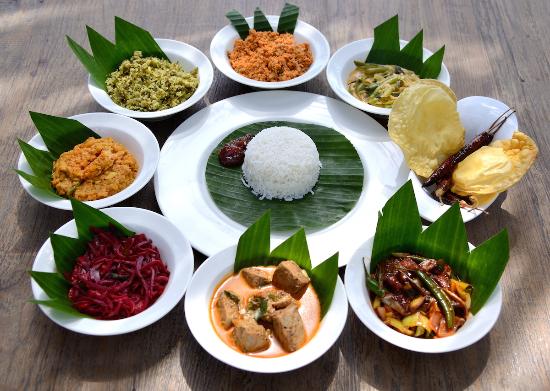
iwillnotbebroken.org – Rice, a small but mighty grain, is a staple food for a significant portion of the world’s population. Its versatility, affordability, and nutritional value have made it a cornerstone of countless cuisines across the globe. While various types of rice exist, white rice, in its many forms, remains widely consumed and often serves as the perfect accompaniment to a vast array of main dishes.
Origins and Cultivation: A History as Old as Time
Rice cultivation has a long and rich history, dating back thousands of years. Evidence suggests that rice was first domesticated in the Yangtze River valley in China around 10,000 years ago. From there, its cultivation spread throughout Asia and eventually to other parts of the world.
Two primary species of cultivated rice exist: Oryza sativa (Asian rice) and Oryza glaberrima (African rice). Oryza sativa is the most widely cultivated species globally, with numerous subspecies and varieties adapted to different growing conditions.
Rice cultivation requires specific conditions, including warm temperatures, ample water, and fertile soil. Paddy fields, flooded fields specifically designed for rice cultivation, are a common sight in many rice-growing regions.
Types of Rice: A Diverse Grain
While this article focuses on white rice, it’s important to acknowledge the diversity within the rice family:
- White Rice: This is the most common type of rice, where the bran and germ layers have been removed during processing. This process gives it a white color and a softer texture but also removes some of the fiber and nutrients.
- Brown Rice: Only the outer husk (inedible covering) is removed from brown rice, leaving the bran and germ intact. This makes it a whole grain with higher fiber, vitamins, and minerals.
- Black Rice (Forbidden Rice): This rice is dark purple or black in color due to its high anthocyanin content, a powerful antioxidant. It has a nutty flavor and a slightly chewy texture.
- Red Rice: Similar to black rice, red rice gets its color from anthocyanins. It also has a nutty flavor and is rich in antioxidants.
- Wild Rice: Technically not rice but the seed of an aquatic grass, wild rice has a distinct nutty flavor and a chewy texture.
White Rice: Varieties and Characteristics
Within white rice, several varieties are commonly consumed:
- Long-Grain Rice: This type of rice has long, slender grains that remain separate and fluffy after cooking. It is commonly used in pilafs and other dishes where individual grains are desired.
- Medium-Grain Rice: This rice has shorter, plumper grains that become slightly sticky when cooked. It is often used in risottos and other creamy dishes.
- Short-Grain Rice: This rice has short, round grains that become sticky and clump together when cooked. It is commonly used in sushi and other Asian dishes where a sticky texture is desired.
Cooking White Rice: Achieving Perfect Fluffiness
Cooking white rice correctly is essential to achieve the desired fluffy texture. Several methods exist:
- Absorption Method: This method involves simmering rice in a specific amount of water until all the water is absorbed. This is a common method for cooking long-grain rice.
- Boiling Method: This method involves boiling rice in a large amount of water and then draining the excess water. This is a common method for cooking short-grain rice.
- Rice Cooker: An electric rice cooker is a convenient appliance that automatically cooks rice to perfection.
White Rice as an Accompaniment: A Culinary Canvas
White rice serves as a versatile accompaniment to a vast array of dishes:
- Asian Cuisine: Rice is a staple in many Asian cuisines, served with stir-fries, curries, soups, and countless other dishes.
- Latin American Cuisine: Rice is a common side dish in Latin American cuisine, often served with beans, stews, and meat dishes.
- Caribbean Cuisine: Rice and beans is a classic combination in Caribbean cuisine, often served with various meats and vegetables.
- Global Cuisine: White rice is also used as a side dish in many other cuisines around the world, providing a neutral base that complements a wide range of flavors.
Nutritional Value of White Rice
While white rice is lower in fiber and some nutrients compared to brown rice, it still provides:
- Carbohydrates: A primary source of energy.
- Some Vitamins and Minerals: Although in smaller amounts compared to brown rice.
Cultural Significance: More Than Just a Grain
Rice holds deep cultural significance in many societies, often symbolizing fertility, prosperity, and good fortune. It is featured in various ceremonies, festivals, and traditions around the world.
Conclusion: A Global Staple
White rice, in its various forms, is a truly global staple food, enjoyed by billions of people around the world. Its versatility, affordability, and ability to complement a wide range of flavors have made it an indispensable part of countless culinary traditions. From simple boiled rice to elaborate rice dishes, this humble grain continues to nourish and connect people across cultures.