Rice: A Global Grain at the Heart of Culinary Traditions

iwillnotbebroken.org – Rice, a small but mighty grain, is a staple food for a significant portion of the world’s population. Its versatility, affordability, and nutritional value have made it a cornerstone of countless cuisines across the globe. While various types of rice exist, white rice, in its many forms, remains widely consumed and often serves as the perfect accompaniment to a vast array of main dishes.   

Origins and Cultivation: A History as Old as Time

Rice cultivation has a long and rich history, dating back thousands of years. Evidence suggests that rice was first domesticated in the Yangtze River valley in China around 10,000 years ago. From there, its cultivation spread throughout Asia and eventually to other parts of the world.   

Two primary species of cultivated rice exist: Oryza sativa (Asian rice) and Oryza glaberrima (African rice). Oryza sativa is the most widely cultivated species globally, with numerous subspecies and varieties adapted to different growing conditions.   

Rice cultivation requires specific conditions, including warm temperatures, ample water, and fertile soil. Paddy fields, flooded fields specifically designed for rice cultivation, are a common sight in many rice-growing regions.   

Types of Rice: A Diverse Grain

While this article focuses on white rice, it’s important to acknowledge the diversity within the rice family:

  • White Rice: This is the most common type of rice, where the bran and germ layers have been removed during processing. This process gives it a white color and a softer texture but also removes some of the fiber and nutrients.   
  • Brown Rice: Only the outer husk (inedible covering) is removed from brown rice, leaving the bran and germ intact. This makes it a whole grain with higher fiber, vitamins, and minerals.   
  • Black Rice (Forbidden Rice): This rice is dark purple or black in color due to its high anthocyanin content, a powerful antioxidant. It has a nutty flavor and a slightly chewy texture.   
  • Red Rice: Similar to black rice, red rice gets its color from anthocyanins. It also has a nutty flavor and is rich in antioxidants.   
  • Wild Rice: Technically not rice but the seed of an aquatic grass, wild rice has a distinct nutty flavor and a chewy texture.   

White Rice: Varieties and Characteristics

Within white rice, several varieties are commonly consumed:

  • Long-Grain Rice: This type of rice has long, slender grains that remain separate and fluffy after cooking. It is commonly used in pilafs and other dishes where individual grains are desired.
  • Medium-Grain Rice: This rice has shorter, plumper grains that become slightly sticky when cooked. It is often used in risottos and other creamy dishes.   
  • Short-Grain Rice: This rice has short, round grains that become sticky and clump together when cooked. It is commonly used in sushi and other Asian dishes where a sticky texture is desired.   

Cooking White Rice: Achieving Perfect Fluffiness

Cooking white rice correctly is essential to achieve the desired fluffy texture. Several methods exist:

  • Absorption Method: This method involves simmering rice in a specific amount of water until all the water is absorbed. This is a common method for cooking long-grain rice.
  • Boiling Method: This method involves boiling rice in a large amount of water and then draining the excess water. This is a common method for cooking short-grain rice.   
  • Rice Cooker: An electric rice cooker is a convenient appliance that automatically cooks rice to perfection.   

White Rice as an Accompaniment: A Culinary Canvas

White rice serves as a versatile accompaniment to a vast array of dishes:

  • Asian Cuisine: Rice is a staple in many Asian cuisines, served with stir-fries, curries, soups, and countless other dishes.   
  • Latin American Cuisine: Rice is a common side dish in Latin American cuisine, often served with beans, stews, and meat dishes.   
  • Caribbean Cuisine: Rice and beans is a classic combination in Caribbean cuisine, often served with various meats and vegetables.   
  • Global Cuisine: White rice is also used as a side dish in many other cuisines around the world, providing a neutral base that complements a wide range of flavors.

Nutritional Value of White Rice

While white rice is lower in fiber and some nutrients compared to brown rice, it still provides:

  • Carbohydrates: A primary source of energy.   
  • Some Vitamins and Minerals: Although in smaller amounts compared to brown rice.

Cultural Significance: More Than Just a Grain

Rice holds deep cultural significance in many societies, often symbolizing fertility, prosperity, and good fortune. It is featured in various ceremonies, festivals, and traditions around the world.   

Conclusion: A Global Staple

White rice, in its various forms, is a truly global staple food, enjoyed by billions of people around the world. Its versatility, affordability, and ability to complement a wide range of flavors have made it an indispensable part of countless culinary traditions. From simple boiled rice to elaborate rice dishes, this humble grain continues to nourish and connect people across cultures.


Iberico Ham: A Taste of Spanish Luxury – A Culinary Masterpiece

iwillnotbebroken.org – Iberico ham, a Spanish delicacy, is renowned for its exceptional flavor, texture, and aroma. This exquisite ham is produced from pigs that are raised on a diet of acorns, a practice known as montanera. The acorn-rich diet contributes to the unique marbling and intense flavor of the meat.

The Montanera Process

The montanera process is a crucial step in the production of Iberico ham. During the autumn and winter months, the pigs are allowed to roam freely in the dehesas, vast oak forests in Spain. They feed on acorns, herbs, and other natural foods, which impart a distinctive flavor to the meat.

The Curing Process

After the montanera period, the pigs are slaughtered, and the hams are cured using a traditional process that can take several years. The hams are salted, washed, and dried in controlled environments. During this curing process, the meat loses moisture and develops a complex flavor profile.

The Different Grades of Iberico Ham

Iberico ham is classified into different grades based on the breed of pig, the quality of the acorns, and the duration of the curing process. The highest quality Iberico ham is known as Jamón Ibérico de Bellota, which is produced from purebred Iberian pigs that have been fed exclusively on acorns.

A Culinary Delight

Iberico ham is a versatile ingredient that can be enjoyed in a variety of ways. It is often sliced thinly and served as an appetizer or a main course. It can also be used to flavor salads, pasta dishes, and sandwiches. The rich, complex flavor of Iberico ham elevates any dish to a culinary masterpiece.

Black Pudding: A British Culinary Delight – A Brief History

iwillnotbebroken.org – Black pudding is a type of blood sausage that is a traditional ingredient in many British breakfasts, particularly in the regions of Yorkshire and Lancashire. It’s made from pig’s blood, suet, oatmeal, and various spices. While it may seem unusual to some, it’s a hearty and flavorful food that has been enjoyed for centuries.

A Brief History

The origins of black pudding can be traced back to ancient times, when blood sausages were a common way to use up animal blood. In Britain, black pudding has been a staple food for centuries, particularly among the working class. It was often eaten as a cheap and filling meal, often served with other breakfast foods like bacon, eggs, and toast.

The Making of Black Pudding

The process of making black pudding involves several steps:

  1. Blood Collection: Fresh pig’s blood is collected from a local slaughterhouse.
  2. Mixing: The blood is mixed with suet, oatmeal, and spices such as salt, pepper, and herbs.
  3. Filling: The mixture is then filled into casings, traditionally made from pig intestines.
  4. Cooking: The filled casings are cooked, often by boiling or steaming, until the blood is fully cooked.

How to Enjoy Black Pudding

Black pudding is a versatile ingredient that can be enjoyed in many ways. Here are some popular ways to eat it:

  • Fried: Slicing black pudding and frying it until crispy is a popular way to enjoy it.
  • Grilled: Grilling black pudding can add a smoky flavor.
  • Boiled: Boiling black pudding is a traditional method of cooking it.
  • As Part of a Full English Breakfast: Black pudding is often served as part of a full English breakfast, alongside bacon, eggs, sausages, and toast.

The Flavor Profile

Black pudding has a rich, savory flavor that is enhanced by the spices used in its preparation. It has a firm texture and a slightly metallic taste, which is characteristic of blood sausages. While it may seem unusual to some, many people find the flavor to be addictive.

Modern Variations

In recent years, there has been a resurgence of interest in traditional British foods, including black pudding. As a result, many chefs and food producers are experimenting with new and innovative ways to use black pudding. Some popular variations include:

  • Black Pudding and Cheese Toastie: A delicious combination of gooey cheese and savory black pudding.
  • Black Pudding and Apple Sauce: A sweet and savory pairing that is perfect for breakfast or brunch.
  • Black Pudding Pizza: A unique pizza topping that adds a savory twist.

Black pudding is a truly unique and delicious food that has been enjoyed for centuries. Whether you’re a traditionalist or a culinary adventurer, there’s no doubt that black pudding is worth trying.

Halo-Halo: A Refreshing Filipino Dessert

iwillnotbebroken.org – Halo-halo, a beloved Filipino dessert, is a testament to the country’s vibrant and diverse culinary heritage. This refreshing treat is a delightful concoction of shaved ice, sweetened beans, fruits, and milk, all topped with a scoop of ice cream.

A Culinary Legacy

The origins of halo-halo can be traced back to the Spanish colonial period. The dish is believed to have been influenced by Chinese and Spanish culinary traditions. The name “halo-halo” is a Tagalog term meaning “mix-mix,” reflecting the diverse ingredients that are combined to create this colorful and flavorful dessert.

The Art of Halo-Halo

The key to a perfect halo-halo lies in the balance of flavors and textures. The shaved ice provides a cool and refreshing base, while the sweetened beans and fruits add sweetness and a burst of flavor. The milk and ice cream add a creamy richness, while the various toppings provide a delightful crunch.

Key Ingredients and Their Role:

  • Shaved Ice: Provides a cool and refreshing base.
  • Sweetened Beans: Add sweetness and texture. Common beans include red beans, mung beans, and kidney beans.
  • Fruits: Add natural sweetness and vibrant colors. Common fruits include jackfruit, langka, and banana.
  • Milk: Adds creaminess and richness.
  • Ice Cream: Provides a rich and indulgent topping.

Common Variations:

  • Classic Halo-Halo: A traditional choice, classic halo-halo features a simple combination of shaved ice, sweetened beans, fruits, and milk.
  • Ube Halo-Halo: A popular variation, ube halo-halo incorporates ube (purple yam) ice cream and ube halaya (purple yam jam) for a vibrant purple hue and a sweet, nutty flavor.
  • Leche Flan Halo-Halo: A decadent treat, leche flan halo-halo features a scoop of leche flan as a topping, adding a creamy and caramel-y flavor.

Beyond the Plate: The Cultural Significance of Halo-Halo

Halo-halo is more than just a dessert; it’s a symbol of Filipino culture and identity. It’s a popular treat during hot summer days and is often enjoyed with friends and family. Halo-halo is also a popular choice for special occasions and celebrations, such as birthdays and fiestas.

A Global Phenomenon

The popularity of halo-halo has extended beyond the Philippines. Filipino communities around the world have introduced this refreshing dessert to new audiences. Restaurants and dessert shops now offer halo-halo on their menus, showcasing its versatility and appeal.

Rice and Curry: A Sri Lankan Culinary Staple

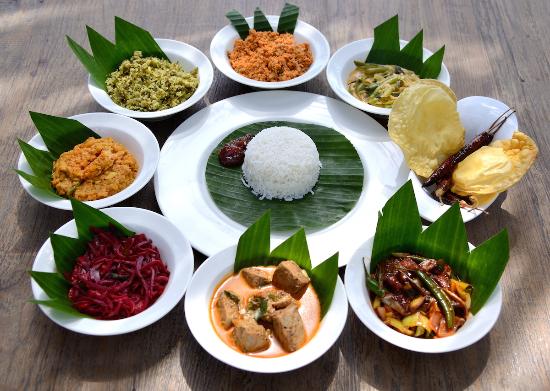
iwillnotbebroken.org – Sri Lanka, an island nation known for its rich cultural heritage and breathtaking landscapes, is also famous for its diverse and flavorful cuisine. At the heart of this culinary tradition is the beloved dish known as “Rice and Curry.” This staple meal is a quintessential representation of Sri Lankan food culture, combining fragrant steamed rice with an assortment of curries made from meat, fish, and vegetables.

The Essence of Rice and Curry

Rice and Curry is more than just a meal; it’s a cultural experience that reflects the island’s history and its people’s love for spices and flavors. The dish typically features a central serving of rice, which is often steamed to perfection, accompanied by a variety of curries. These curries are crafted using a complex blend of spices, coconut milk, and fresh ingredients, creating a symphony of tastes and aromas.

Varieties of Curries

The beauty of Rice and Curry lies in its versatility. Each meal can include several types of curries, showcasing different ingredients and flavors:

  • Meat Curries: Commonly made with chicken, beef, or mutton, these curries are rich and hearty. They are often prepared with an intricate mixture of spices such as cumin, coriander, turmeric, and chili powder, providing depth and warmth to the dish.
  • Fish Curries: Given Sri Lanka’s coastal geography, fish curries are a popular choice. These are typically lighter than meat curries and often feature ingredients like tamarind or lime juice, which add a tangy contrast to the spicy base.
  • Vegetable Curries: A vibrant array of vegetable curries can accompany the rice, with options such as lentils (dal), eggplant, green beans, or pumpkin. These curries highlight the freshness of local produce and are seasoned with mustard seeds, curry leaves, and other aromatic spices.

Accompaniments and Sides

In addition to the main curries, a typical Sri Lankan Rice and Curry meal might include several side dishes and accompaniments:

  • Sambols: These are spicy condiments made from ingredients like coconut, chili, and lime, adding an extra layer of flavor and heat.
  • Papadums: Crispy, wafer-thin flatbreads that provide a delightful crunch to the meal.
  • Pickles: Tangy and spicy pickles, often made from fruits and vegetables, enhance the overall taste experience.

Cultural Significance

Rice and Curry is not just a daily meal; it is an integral part of celebrations and gatherings in Sri Lanka. It embodies the island’s hospitality, as it is often shared among family and friends, fostering a sense of community and togetherness.

Conclusion

Rice and Curry is a testament to Sri Lanka’s culinary art, showcasing the island’s rich history, diverse culture, and love for bold flavors. Whether enjoyed at a bustling street market or a family table, this dish is a delicious and authentic taste of Sri Lanka, inviting all who try it to savor the magic of this island nation.