Rice: A Global Grain at the Heart of Culinary Traditions

iwillnotbebroken.org – Rice, a small but mighty grain, is a staple food for a significant portion of the world’s population. Its versatility, affordability, and nutritional value have made it a cornerstone of countless cuisines across the globe. While various types of rice exist, white rice, in its many forms, remains widely consumed and often serves as the perfect accompaniment to a vast array of main dishes.   

Origins and Cultivation: A History as Old as Time

Rice cultivation has a long and rich history, dating back thousands of years. Evidence suggests that rice was first domesticated in the Yangtze River valley in China around 10,000 years ago. From there, its cultivation spread throughout Asia and eventually to other parts of the world.   

Two primary species of cultivated rice exist: Oryza sativa (Asian rice) and Oryza glaberrima (African rice). Oryza sativa is the most widely cultivated species globally, with numerous subspecies and varieties adapted to different growing conditions.   

Rice cultivation requires specific conditions, including warm temperatures, ample water, and fertile soil. Paddy fields, flooded fields specifically designed for rice cultivation, are a common sight in many rice-growing regions.   

Types of Rice: A Diverse Grain

While this article focuses on white rice, it’s important to acknowledge the diversity within the rice family:

  • White Rice: This is the most common type of rice, where the bran and germ layers have been removed during processing. This process gives it a white color and a softer texture but also removes some of the fiber and nutrients.   
  • Brown Rice: Only the outer husk (inedible covering) is removed from brown rice, leaving the bran and germ intact. This makes it a whole grain with higher fiber, vitamins, and minerals.   
  • Black Rice (Forbidden Rice): This rice is dark purple or black in color due to its high anthocyanin content, a powerful antioxidant. It has a nutty flavor and a slightly chewy texture.   
  • Red Rice: Similar to black rice, red rice gets its color from anthocyanins. It also has a nutty flavor and is rich in antioxidants.   
  • Wild Rice: Technically not rice but the seed of an aquatic grass, wild rice has a distinct nutty flavor and a chewy texture.   

White Rice: Varieties and Characteristics

Within white rice, several varieties are commonly consumed:

  • Long-Grain Rice: This type of rice has long, slender grains that remain separate and fluffy after cooking. It is commonly used in pilafs and other dishes where individual grains are desired.
  • Medium-Grain Rice: This rice has shorter, plumper grains that become slightly sticky when cooked. It is often used in risottos and other creamy dishes.   
  • Short-Grain Rice: This rice has short, round grains that become sticky and clump together when cooked. It is commonly used in sushi and other Asian dishes where a sticky texture is desired.   

Cooking White Rice: Achieving Perfect Fluffiness

Cooking white rice correctly is essential to achieve the desired fluffy texture. Several methods exist:

  • Absorption Method: This method involves simmering rice in a specific amount of water until all the water is absorbed. This is a common method for cooking long-grain rice.
  • Boiling Method: This method involves boiling rice in a large amount of water and then draining the excess water. This is a common method for cooking short-grain rice.   
  • Rice Cooker: An electric rice cooker is a convenient appliance that automatically cooks rice to perfection.   

White Rice as an Accompaniment: A Culinary Canvas

White rice serves as a versatile accompaniment to a vast array of dishes:

  • Asian Cuisine: Rice is a staple in many Asian cuisines, served with stir-fries, curries, soups, and countless other dishes.   
  • Latin American Cuisine: Rice is a common side dish in Latin American cuisine, often served with beans, stews, and meat dishes.   
  • Caribbean Cuisine: Rice and beans is a classic combination in Caribbean cuisine, often served with various meats and vegetables.   
  • Global Cuisine: White rice is also used as a side dish in many other cuisines around the world, providing a neutral base that complements a wide range of flavors.

Nutritional Value of White Rice

While white rice is lower in fiber and some nutrients compared to brown rice, it still provides:

  • Carbohydrates: A primary source of energy.   
  • Some Vitamins and Minerals: Although in smaller amounts compared to brown rice.

Cultural Significance: More Than Just a Grain

Rice holds deep cultural significance in many societies, often symbolizing fertility, prosperity, and good fortune. It is featured in various ceremonies, festivals, and traditions around the world.   

Conclusion: A Global Staple

White rice, in its various forms, is a truly global staple food, enjoyed by billions of people around the world. Its versatility, affordability, and ability to complement a wide range of flavors have made it an indispensable part of countless culinary traditions. From simple boiled rice to elaborate rice dishes, this humble grain continues to nourish and connect people across cultures.


Swiss Cheese: A Dairy Delight – A World of Cheese

iwillnotbebroken.org – Switzerland, a small Alpine nation, is renowned for its diverse and high-quality cheeses. The country’s unique geography, climate, and rich dairy tradition have contributed to the development of a wide range of cheeses, each with its own distinct flavor and character.   

A Brief History

Cheesemaking in Switzerland dates back centuries, with evidence of cheese production dating as far back as the Bronze Age. The mountainous terrain and abundant pastures have provided ideal conditions for dairy farming, and the Swiss have perfected the art of cheesemaking over generations.

Famous Swiss Cheeses

Some of the most famous Swiss cheeses include:

  • Gruyère: A semi-hard cheese with a nutty flavor, Gruyère is often used in fondue and raclette. It is also a popular ingredient in many Swiss dishes.
  • Emmental: This cheese is easily recognized by its large holes. It has a mild, nutty flavor and is often used in sandwiches and salads.
  • Appenzeller: A hard cheese with a pungent aroma and a complex flavor, Appenzeller is often aged for several months or even years.
  • Vacherin Fribourgeois: This soft, washed-rind cheese has a creamy texture and a distinctive aroma. It is often melted and served with bread or potatoes.

The Cheesemaking Process

Swiss cheesemaking involves a meticulous process that begins with the production of high-quality milk. The milk is then curdled, drained, and pressed into molds. The cheese is then aged for varying periods, during which time it develops its unique flavor and texture.   

A Culinary Tradition

Swiss cheese is an integral part of Swiss cuisine. It is used in a variety of dishes, from breakfast to dessert. Whether it’s melted in a fondue, grated over pasta, or simply enjoyed on its own, Swiss cheese is a versatile and delicious ingredient.   

A Global Export

Swiss cheese is exported worldwide, and it is enjoyed by people of all cultures. Its high quality and unique flavors have made it a sought-after product, and it continues to be a symbol of Swiss excellence.

Iberico Ham: A Taste of Spanish Luxury – A Culinary Masterpiece

iwillnotbebroken.org – Iberico ham, a Spanish delicacy, is renowned for its exceptional flavor, texture, and aroma. This exquisite ham is produced from pigs that are raised on a diet of acorns, a practice known as montanera. The acorn-rich diet contributes to the unique marbling and intense flavor of the meat.

The Montanera Process

The montanera process is a crucial step in the production of Iberico ham. During the autumn and winter months, the pigs are allowed to roam freely in the dehesas, vast oak forests in Spain. They feed on acorns, herbs, and other natural foods, which impart a distinctive flavor to the meat.

The Curing Process

After the montanera period, the pigs are slaughtered, and the hams are cured using a traditional process that can take several years. The hams are salted, washed, and dried in controlled environments. During this curing process, the meat loses moisture and develops a complex flavor profile.

The Different Grades of Iberico Ham

Iberico ham is classified into different grades based on the breed of pig, the quality of the acorns, and the duration of the curing process. The highest quality Iberico ham is known as Jamón Ibérico de Bellota, which is produced from purebred Iberian pigs that have been fed exclusively on acorns.

A Culinary Delight

Iberico ham is a versatile ingredient that can be enjoyed in a variety of ways. It is often sliced thinly and served as an appetizer or a main course. It can also be used to flavor salads, pasta dishes, and sandwiches. The rich, complex flavor of Iberico ham elevates any dish to a culinary masterpiece.

Gazpacho: A Refreshing Summer Soup – A Taste of Andalusia

iwillnotbebroken.org – Gazpacho is a cold soup that originated in the Andalusia region of Spain. It’s a refreshing and healthy dish, perfect for hot summer days. The classic version is made with tomatoes, cucumbers, bell peppers, onion, and garlic, all blended together to create a smooth and flavorful soup.

Key Ingredients and Flavors

The key ingredients in gazpacho are:

  • Tomatoes: Ripe, juicy tomatoes are the foundation of the soup, providing a rich, tangy flavor.
  • Cucumbers: Cucumbers add a crisp, refreshing element to the soup.
  • Bell Peppers: Bell peppers, typically a combination of red and green, add sweetness and a vibrant color.
  • Onion: Onion adds a subtle sweetness and depth of flavor.
  • Garlic: Garlic adds a pungent, aromatic flavor.
  • Olive Oil: High-quality olive oil enhances the flavor and richness of the soup.
  • Vinegar: Vinegar, such as sherry vinegar or red wine vinegar, adds acidity and balances the sweetness of the tomatoes.
  • Bread: Stale bread is often added to the soup to thicken it and add a unique texture.

Variations on the Classic

While the classic gazpacho recipe is beloved, there are many variations on the theme. Some popular variations include:

  • Gazpacho Andaluz: The classic version, made with tomatoes, cucumbers, bell peppers, onion, garlic, olive oil, vinegar, and bread.
  • Gazpacho Salmorejo: A thicker version of gazpacho, made with more tomatoes and less liquid. It’s often served with a drizzle of olive oil and a slice of jamón ibérico.
  • Ajo Blanco: A cold soup made with almonds, garlic, olive oil, and water. It’s a refreshing and creamy alternative to traditional gazpacho.

Serving Suggestions

Gazpacho is traditionally served chilled, but it can also be enjoyed at room temperature. It’s often garnished with fresh herbs, such as basil or cilantro, and served with croutons or a drizzle of olive oil.

Cacciatello: A Creamy Italian Delight – Classic Dessert with a Twist

iwillnotbebroken.org – Cacciatello, a delectable Italian dessert, is a close cousin to crème caramel. It features a rich, creamy custard layer topped with a caramelized sugar crust. While the two desserts share similarities, Cacciatello often incorporates unique regional variations, such as the addition of nuts or citrus zest.

The Art of Making Cacciatello

Creating the perfect Cacciatello involves a delicate balance of flavors and textures. The custard is typically made with eggs, sugar, and milk, and is often infused with vanilla or lemon zest for added flavor. The caramelized sugar topping adds a touch of sweetness and a satisfying crunch.

Serving Suggestions

Cacciatello is best served chilled, allowing the flavors to fully develop. It can be enjoyed on its own or paired with a variety of accompaniments:

  • Fresh Berries: A dollop of fresh berries, such as raspberries or strawberries, can add a burst of tartness and sweetness to the dessert.
  • Whipped Cream: A cloud of whipped cream can enhance the richness and creaminess of the Cacciatello.
  • Chocolate Sauce: A drizzle of warm chocolate sauce can elevate the dessert to new heights of indulgence.

A Culinary Heritage

Cacciatello is a beloved dessert that has been enjoyed in Italy for centuries. It is often served during special occasions, such as holidays and celebrations. While the basic recipe remains the same, regional variations can be found throughout the country.

A Modern Twist

In recent years, chefs have put their own spin on the classic Cacciatello. Some modern interpretations include:

  • Cacciatello with Coffee: A strong espresso is added to the custard for a rich, coffee-flavored dessert.
  • Cacciatello with Chocolate: Chocolate chips or cocoa powder are added to the custard for a decadent chocolatey treat.
  • Cacciatello with Fruit: Fresh or dried fruit, such as figs or apricots, can be added to the custard for a fruity twist.

Black Pudding: A British Culinary Delight – A Brief History

iwillnotbebroken.org – Black pudding is a type of blood sausage that is a traditional ingredient in many British breakfasts, particularly in the regions of Yorkshire and Lancashire. It’s made from pig’s blood, suet, oatmeal, and various spices. While it may seem unusual to some, it’s a hearty and flavorful food that has been enjoyed for centuries.

A Brief History

The origins of black pudding can be traced back to ancient times, when blood sausages were a common way to use up animal blood. In Britain, black pudding has been a staple food for centuries, particularly among the working class. It was often eaten as a cheap and filling meal, often served with other breakfast foods like bacon, eggs, and toast.

The Making of Black Pudding

The process of making black pudding involves several steps:

  1. Blood Collection: Fresh pig’s blood is collected from a local slaughterhouse.
  2. Mixing: The blood is mixed with suet, oatmeal, and spices such as salt, pepper, and herbs.
  3. Filling: The mixture is then filled into casings, traditionally made from pig intestines.
  4. Cooking: The filled casings are cooked, often by boiling or steaming, until the blood is fully cooked.

How to Enjoy Black Pudding

Black pudding is a versatile ingredient that can be enjoyed in many ways. Here are some popular ways to eat it:

  • Fried: Slicing black pudding and frying it until crispy is a popular way to enjoy it.
  • Grilled: Grilling black pudding can add a smoky flavor.
  • Boiled: Boiling black pudding is a traditional method of cooking it.
  • As Part of a Full English Breakfast: Black pudding is often served as part of a full English breakfast, alongside bacon, eggs, sausages, and toast.

The Flavor Profile

Black pudding has a rich, savory flavor that is enhanced by the spices used in its preparation. It has a firm texture and a slightly metallic taste, which is characteristic of blood sausages. While it may seem unusual to some, many people find the flavor to be addictive.

Modern Variations

In recent years, there has been a resurgence of interest in traditional British foods, including black pudding. As a result, many chefs and food producers are experimenting with new and innovative ways to use black pudding. Some popular variations include:

  • Black Pudding and Cheese Toastie: A delicious combination of gooey cheese and savory black pudding.
  • Black Pudding and Apple Sauce: A sweet and savory pairing that is perfect for breakfast or brunch.
  • Black Pudding Pizza: A unique pizza topping that adds a savory twist.

Black pudding is a truly unique and delicious food that has been enjoyed for centuries. Whether you’re a traditionalist or a culinary adventurer, there’s no doubt that black pudding is worth trying.

Halo-Halo: A Refreshing Filipino Dessert

iwillnotbebroken.org – Halo-halo, a beloved Filipino dessert, is a testament to the country’s vibrant and diverse culinary heritage. This refreshing treat is a delightful concoction of shaved ice, sweetened beans, fruits, and milk, all topped with a scoop of ice cream.

A Culinary Legacy

The origins of halo-halo can be traced back to the Spanish colonial period. The dish is believed to have been influenced by Chinese and Spanish culinary traditions. The name “halo-halo” is a Tagalog term meaning “mix-mix,” reflecting the diverse ingredients that are combined to create this colorful and flavorful dessert.

The Art of Halo-Halo

The key to a perfect halo-halo lies in the balance of flavors and textures. The shaved ice provides a cool and refreshing base, while the sweetened beans and fruits add sweetness and a burst of flavor. The milk and ice cream add a creamy richness, while the various toppings provide a delightful crunch.

Key Ingredients and Their Role:

  • Shaved Ice: Provides a cool and refreshing base.
  • Sweetened Beans: Add sweetness and texture. Common beans include red beans, mung beans, and kidney beans.
  • Fruits: Add natural sweetness and vibrant colors. Common fruits include jackfruit, langka, and banana.
  • Milk: Adds creaminess and richness.
  • Ice Cream: Provides a rich and indulgent topping.

Common Variations:

  • Classic Halo-Halo: A traditional choice, classic halo-halo features a simple combination of shaved ice, sweetened beans, fruits, and milk.
  • Ube Halo-Halo: A popular variation, ube halo-halo incorporates ube (purple yam) ice cream and ube halaya (purple yam jam) for a vibrant purple hue and a sweet, nutty flavor.
  • Leche Flan Halo-Halo: A decadent treat, leche flan halo-halo features a scoop of leche flan as a topping, adding a creamy and caramel-y flavor.

Beyond the Plate: The Cultural Significance of Halo-Halo

Halo-halo is more than just a dessert; it’s a symbol of Filipino culture and identity. It’s a popular treat during hot summer days and is often enjoyed with friends and family. Halo-halo is also a popular choice for special occasions and celebrations, such as birthdays and fiestas.

A Global Phenomenon

The popularity of halo-halo has extended beyond the Philippines. Filipino communities around the world have introduced this refreshing dessert to new audiences. Restaurants and dessert shops now offer halo-halo on their menus, showcasing its versatility and appeal.

Dolmades: A Flavorful Mediterranean Tradition

iwillnotbebroken.org – Dolmades are a quintessential part of Mediterranean cuisine, celebrated for their unique blend of flavors and textures. These delightful morsels consist of grape leaves stuffed with a savory mixture of rice, herbs, and sometimes meat. Known for their versatility and rich cultural heritage, dolmades are a beloved dish that can be found on tables across the Mediterranean region, from Greece to Turkey and beyond.

The Origins of Dolmades

The history of dolmades can be traced back to the Ottoman Empire, where the practice of wrapping food in leaves was common. The word “dolma” itself comes from the Turkish word “dolmak,” which means “to fill” or “to stuff.” Over time, this dish spread throughout the Balkans, the Middle East, and the Mediterranean, with each region adapting the recipe to suit local tastes and ingredients.

Key Ingredients

Grape Leaves

The hallmark of dolmades is the use of tender grape leaves, which provide a slightly tangy and earthy flavor. These leaves are usually blanched before use to soften them, making them pliable for wrapping around the filling.

Rice

Rice is the primary ingredient in the filling for dolmades, serving as a neutral base that absorbs the flavors of the herbs and spices. Long-grain or medium-grain rice is typically used for its ability to hold its shape during cooking.

Herbs and Spices

Aromatic herbs and spices are what give dolmades their distinctive flavor. Common additions include dill, mint, parsley, and sometimes cinnamon or allspice. The combination of these ingredients creates a refreshing and fragrant profile that complements the grape leaves.

Variations and Regional Differences

While the classic version of dolmades is vegetarian, featuring a filling of rice and herbs, variations abound. In some regions, minced lamb or beef is added to the filling for a heartier version. Additionally, different types of leaves, such as cabbage or chard, can be used as wrappers in place of grape leaves.

Greek Dolmades

In Greece, dolmades are often served as an appetizer or part of a meze platter, accompanied by a drizzle of olive oil and a squeeze of lemon juice. They are enjoyed both warm and cold, making them a versatile addition to any meal.

Turkish Dolma

In Turkey, the filling might include pine nuts and currants, adding a touch of sweetness to the savory dish. Turkish dolma can also refer to vegetables like peppers and zucchini that are stuffed with similar mixtures.

The Art of Making Dolmades

Preparing dolmades is a labor of love that involves careful attention to detail. The grape leaves are laid flat, and a small amount of filling is placed in the center. The leaves are then folded over the filling and rolled tightly, creating small, neatly packed parcels. These are then simmered gently in a lemon-infused broth until cooked through, allowing the flavors to meld.

Conclusion

Dolmades are a testament to the rich culinary traditions of the Mediterranean, offering a delightful combination of flavors that are both satisfying and refreshing. Whether enjoyed as a starter, a side dish, or part of a larger feast, dolmades bring a taste of the Mediterranean to any table, celebrating the art of simple, flavorful cooking.

Koshari: Egypt’s Comfort Food Delight

iwillnotbebroken.org – Koshari is a beloved Egyptian dish that showcases a delightful fusion of flavors and textures. This hearty meal is a staple of Egyptian street food, offering a comforting mix of ingredients that are both filling and satisfying. The dish consists of a base of rice, pasta, lentils, and chickpeas, all brought together with a spicy tomato sauce and topped with crispy fried onions. This humble yet delicious combination has earned its place as a favorite among locals and tourists alike.

Origins and Cultural Significance

Koshari has a rich history that reflects Egypt’s diverse cultural influences. The dish is thought to have originated in the 19th century during British colonial rule. It incorporates elements from various countries: rice and lentils from the Indian subcontinent, pasta introduced by the Italians, and a spicy tomato sauce reminiscent of North African flavors. Over time, Koshari has evolved into a symbol of Egyptian culinary identity, celebrated for its simplicity, affordability, and ability to bring people together.

Ingredients and Preparation

The beauty of Koshari lies in its straightforward preparation and the balance of its components. Each ingredient plays a crucial role:

  • Rice: Provides a soft and fluffy base.
  • Pasta: Typically macaroni or spaghetti, adding a chewy texture.
  • Lentils: Offer earthiness and protein.
  • Chickpeas: Contribute a nutty flavor and additional protein.
  • Spicy Tomato Sauce: Infuses the dish with a tangy, fiery kick.
  • Fried Onions: Add a sweet, crispy topping that enhances the overall flavor.

To prepare Koshari, each ingredient is cooked separately before being layered together. The spicy tomato sauce, often seasoned with garlic, vinegar, and a blend of spices like cumin and chili, is poured over the mix, and the dish is finished with a generous sprinkle of fried onions.

Enjoying Koshari

Koshari is more than just a meal; it’s an experience. It’s typically served in casual eateries and street stalls, where it’s enjoyed by people from all walks of life. The dish is often accompanied by condiments such as hot sauce, garlic vinegar, and additional spices, allowing diners to customize their experience to suit their taste preferences.

A Dish for All Occasions

Whether enjoyed as a quick street food snack or a hearty family meal, Koshari embodies the essence of Egyptian cuisine. Its affordability and satisfying nature make it accessible to everyone, while its rich flavors and cultural significance ensure it remains a cherished part of Egypt’s culinary heritage.

In conclusion, Koshari is a testament to the beauty of culinary fusion and the power of food to bring people together. Its unique blend of ingredients and flavors offers a taste of Egypt’s history and hospitality, making it a must-try dish for anyone exploring the country’s vibrant food scene.

Rice and Curry: A Sri Lankan Culinary Staple

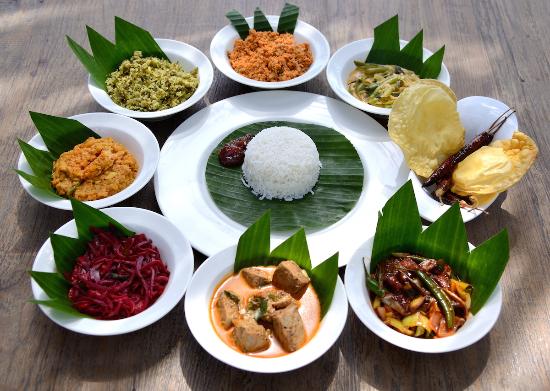
iwillnotbebroken.org – Sri Lanka, an island nation known for its rich cultural heritage and breathtaking landscapes, is also famous for its diverse and flavorful cuisine. At the heart of this culinary tradition is the beloved dish known as “Rice and Curry.” This staple meal is a quintessential representation of Sri Lankan food culture, combining fragrant steamed rice with an assortment of curries made from meat, fish, and vegetables.

The Essence of Rice and Curry

Rice and Curry is more than just a meal; it’s a cultural experience that reflects the island’s history and its people’s love for spices and flavors. The dish typically features a central serving of rice, which is often steamed to perfection, accompanied by a variety of curries. These curries are crafted using a complex blend of spices, coconut milk, and fresh ingredients, creating a symphony of tastes and aromas.

Varieties of Curries

The beauty of Rice and Curry lies in its versatility. Each meal can include several types of curries, showcasing different ingredients and flavors:

  • Meat Curries: Commonly made with chicken, beef, or mutton, these curries are rich and hearty. They are often prepared with an intricate mixture of spices such as cumin, coriander, turmeric, and chili powder, providing depth and warmth to the dish.
  • Fish Curries: Given Sri Lanka’s coastal geography, fish curries are a popular choice. These are typically lighter than meat curries and often feature ingredients like tamarind or lime juice, which add a tangy contrast to the spicy base.
  • Vegetable Curries: A vibrant array of vegetable curries can accompany the rice, with options such as lentils (dal), eggplant, green beans, or pumpkin. These curries highlight the freshness of local produce and are seasoned with mustard seeds, curry leaves, and other aromatic spices.

Accompaniments and Sides

In addition to the main curries, a typical Sri Lankan Rice and Curry meal might include several side dishes and accompaniments:

  • Sambols: These are spicy condiments made from ingredients like coconut, chili, and lime, adding an extra layer of flavor and heat.
  • Papadums: Crispy, wafer-thin flatbreads that provide a delightful crunch to the meal.
  • Pickles: Tangy and spicy pickles, often made from fruits and vegetables, enhance the overall taste experience.

Cultural Significance

Rice and Curry is not just a daily meal; it is an integral part of celebrations and gatherings in Sri Lanka. It embodies the island’s hospitality, as it is often shared among family and friends, fostering a sense of community and togetherness.

Conclusion

Rice and Curry is a testament to Sri Lanka’s culinary art, showcasing the island’s rich history, diverse culture, and love for bold flavors. Whether enjoyed at a bustling street market or a family table, this dish is a delicious and authentic taste of Sri Lanka, inviting all who try it to savor the magic of this island nation.

Discovering Pho: Vietnam’s Beloved Noodle Soup

iwillnotbebroken.org – Pho is much more than just a dish; it is a cultural icon of Vietnam. This aromatic and flavorful noodle soup has captured the hearts and taste buds of people around the world. Known for its deep, savory broth, tender slices of meat, and fresh herbs, pho is a staple in Vietnamese cuisine and a must-try for any food enthusiast.

The Origins of Pho

The origins of pho are as rich as its broth. It is believed that pho originated in the early 20th century in northern Vietnam, near Hanoi. The dish was influenced by both French and Chinese culinary traditions. The French brought beef to Vietnam, which became a key ingredient in pho, while the Chinese contributed to the noodle-making techniques.

Ingredients and Preparation

Pho is traditionally made with beef (pho bo) or chicken (pho ga), but there are also vegetarian versions. The essence of pho lies in its broth, which is simmered for hours with bones, meat, and a variety of spices such as star anise, cinnamon, and cloves. The broth is then poured over a bed of rice noodles and topped with thinly sliced meat, fresh herbs like cilantro and basil, bean sprouts, lime wedges, and chili slices.

Pho Varieties

While the traditional versions of pho are well-loved, variations abound. Different regions in Vietnam offer unique takes on this classic dish. Northern-style pho is known for its clear broth and simple garnishes, while southern-style pho is more robust and often includes a wider array of herbs and condiments.

The Global Influence

Pho has transcended its Vietnamese roots, becoming a global phenomenon. It can be found in Vietnamese restaurants worldwide, from street stalls in Vietnam to high-end dining establishments in major cities. Its comforting flavors and nourishing qualities make it a popular choice for people seeking a hearty and satisfying meal.

Enjoying Pho at Home

Making pho at home can be a rewarding experience. While it may seem daunting due to the long cooking time for the broth, the process is quite straightforward. There are many recipes available that cater to different skill levels and dietary preferences, allowing everyone to enjoy this iconic dish in the comfort of their own home.

Conclusion

Pho is more than just a noodle soup; it is a celebration of Vietnamese culture and culinary expertise. Whether you enjoy it in a bustling street market in Hanoi or a cozy restaurant in your hometown, pho offers a taste of Vietnam’s rich heritage and an unforgettable dining experience.

Manfaat Cokelat untuk Kulit Sehat dan Bercahaya secara Alami

Cokelat bukan hanya lezat untuk disantap, tetapi juga kaya manfaat bagi kesehatan kulit. Kandungan nutrisi dalam cokelat, terutama cokelat hitam (dark chocolate) alternatif trisula88, dapat membantu menjaga kulit tetap sehat dan bercahaya secara alami. Berikut adalah beberapa manfaat cokelat untuk perawatan kulit yang mungkin belum banyak diketahui.

1. Antioksidan untuk Kulit Awet Muda

Cokelat hitam mengandung flavonoid, yaitu senyawa antioksidan yang membantu melawan radikal bebas penyebab penuaan dini. Antioksidan ini berperan dalam mengurangi munculnya garis halus dan kerutan, menjadikan kulit lebih kencang dan tampak awet muda.

2. Melembapkan dan Menghaluskan Kulit

Kandungan lemak sehat dalam cokelat, seperti asam oleat dan stearat, dapat membantu menjaga kelembapan alami kulit. Aplikasi masker berbahan dasar cokelat atau produk perawatan kulit dengan ekstrak kakao membantu menghaluskan tekstur kulit dan mencegah kekeringan.

3. Perlindungan dari Sinar UV

Flavonoid dalam cokelat juga membantu meningkatkan ketahanan kulit terhadap paparan sinar UV, yang dapat menyebabkan kerusakan dan hiperpigmentasi. Meskipun tidak menggantikan tabir surya, konsumsi cokelat hitam secara rutin dapat memberi perlindungan ekstra dari dalam.

4. Mengurangi Peradangan dan Kemerahan

Cokelat memiliki sifat antiinflamasi yang dapat membantu menenangkan kulit yang meradang, seperti akibat jerawat atau iritasi. Masker kakao dapat menjadi solusi alami untuk mengurangi kemerahan dan meredakan kulit sensitif.

5. Meningkatkan Sirkulasi Darah

Mengonsumsi cokelat hitam dalam jumlah moderat dapat meningkatkan aliran darah, termasuk ke jaringan kulit. Dengan sirkulasi yang baik, kulit akan mendapatkan oksigen dan nutrisi lebih optimal, sehingga terlihat lebih segar dan bercahaya.

6. Mendetoksifikasi Kulit

Produk perawatan kulit dengan kandungan kakao dapat membantu mengangkat sel kulit mati dan membersihkan pori-pori, sehingga mencegah munculnya komedo dan jerawat. Kakao juga efektif dalam detoksifikasi kulit dengan mengeluarkan kotoran dari lapisan dalam kulit.

7. Mengurangi Stres untuk Kulit Lebih Baik

Stres adalah salah satu penyebab masalah kulit seperti jerawat dan kusam. Mengonsumsi cokelat hitam dapat meningkatkan kadar serotonin dan endorfin dalam tubuh, membantu mengurangi stres dan menjadikan kulit lebih tenang serta sehat.

Cara Menggunakan Cokelat untuk Perawatan Kulit

  • Masker Cokelat dan Madu: Campurkan bubuk kakao dengan madu untuk masker wajah yang menutrisi dan melembapkan.
  • Scrub Kakao dan Gula: Kombinasikan bubuk kakao dengan gula dan minyak kelapa untuk scrub alami yang mengangkat sel kulit mati.
  • Lotion atau Krim dengan Ekstrak Kakao: Gunakan produk perawatan kulit yang mengandung kakao untuk pemakaian sehari-hari.

Kesimpulan

Cokelat bukan hanya lezat tetapi juga menawarkan banyak manfaat untuk kesehatan kulit. Dengan kandungan antioksidan, sifat antiinflamasi, dan kemampuannya menjaga kelembapan, cokelat dapat menjadi pilihan alami untuk kulit yang sehat dan bercahaya. Baik dengan mengonsumsi cokelat hitam atau menggunakannya sebagai bagian dari perawatan kulit, Anda bisa menikmati manfaat luar biasa dari bahan ini.

A Fusion of Flavors and Textures: Mexican Corn Coleslaw

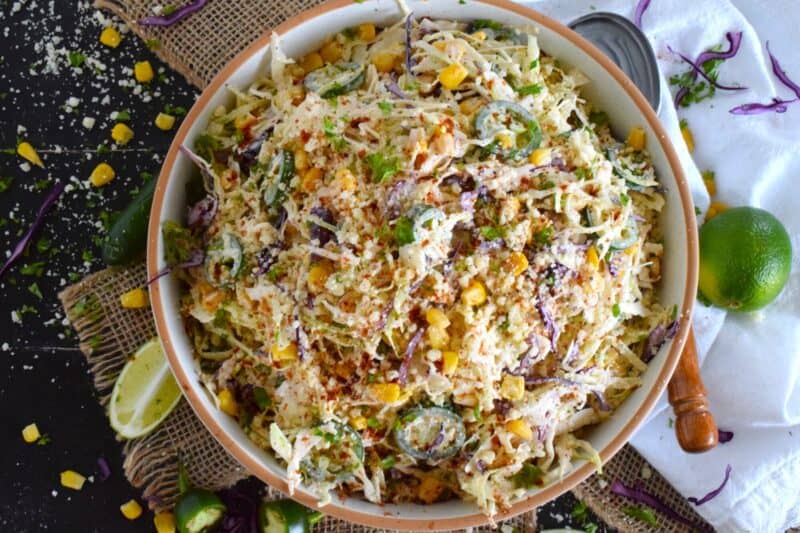
iwillnotbebroken.org – Mexican Corn Coleslaw is a delightful dish that combines the freshness of coleslaw with the vibrant flavors of Mexican cuisine. This unique salad is not only a feast for the eyes but also a treat for the palate, offering a perfect balance of crunch, creaminess, and zest.

Ingredients and Preparation

The core ingredients of Mexican Corn Coleslaw include coleslaw mix, which provides the base of the salad with its crisp texture. Vibrant bell peppers add a pop of color and a slight crunch. The dressing, a creamy blend of mayonnaise and sour cream, is infused with taco seasoning for a hint of spice and flavor. Crunchy corn and hearty black beans add depth and texture, while zesty lime juice brings a refreshing acidity that ties all the elements together.

To prepare this dish, start by whisking together the mayonnaise, sour cream, lime juice, and taco seasoning in a medium bowl until well combined. Add the coleslaw mix, bell peppers, corn, and black beans, tossing everything together until evenly coated with the dressing. Adjust the seasoning with additional lime juice or taco seasoning if needed.

Serving Suggestions

Mexican Corn Coleslaw is versatile and can be enjoyed as a side dish with any Mexican meal. It pairs particularly well with grilled meats, such as chicken or steak, and complements tacos, burritos, and fajitas beautifully. The salad can also be served as a standalone dish for a light lunch or a refreshing snack.

Popularity and Reviews

This fusion dish has gained popularity for its unique taste and ease of preparation. It has been well-received by both Mexican cuisine enthusiasts and those looking to try something new. Reviews from various sources praise the dish for its vibrant flavors and the perfect blend of textures.

Conclusion

Mexican Corn Coleslaw is more than just a salad; it’s a celebration of flavors and textures that encapsulate the essence of Mexican cuisine. Whether you’re a fan of traditional coleslaw or looking to explore new culinary horizons, this dish is sure to delight. So, next time you’re planning a Mexican-themed dinner or just in the mood for something refreshing, give this Mexican Corn Coleslaw a try.

The Kids’ Superfoods Cookbook: Recipes for Growing Bodies

iwillnotbebroken.org – In the quest to ensure that our children grow up healthy and strong, nutrition plays a pivotal role. The Kids’ Superfoods Cookbook is a treasure trove of recipes designed to provide growing bodies with the essential nutrients they need to thrive. This cookbook is not just about food; it’s about fueling the future with the power of superfoods.

What Are Superfoods?

Superfoods are nutrient-rich foods that are considered to be particularly beneficial for health and well-being. They are loaded with antioxidants, vitamins, minerals, fiber, and protein, which are essential for growth, development, and overall health. Examples of superfoods include leafy greens, berries, nuts, seeds, and fish.

The Importance of Superfoods for Kids

Children are at a critical stage of growth and development, making it essential to provide them with a diet rich in superfoods. These foods can help boost their immune system, improve brain function, enhance physical growth, and even prevent chronic diseases later in life.

Power-Packed Recipes for Growing Bodies

The Kids’ Superfoods Cookbook is filled with a variety of recipes that are both delicious and nutritious. From breakfast to dinner and everything in between, these recipes are designed to make incorporating superfoods into your child’s diet easy and fun.

Breakfast: A Super Start to the Day

Start the day with recipes like Super Spinach Smoothies or Quinoa and Berry Parfaits. These breakfast options are not only packed with superfoods but also provide the energy needed to kickstart the day.

Lunch: Fueling Up for the Afternoon

Lunchtime recipes include colorful salads with ingredients like kale, avocado, and chickpeas, or hearty sandwiches made with whole grains and lean proteins. These meals ensure that kids stay focused and energized throughout the afternoon.

Dinner: Nourishing End to the Day

Dinner recipes feature a range of dishes, from Salmon with Sweet Potato Mash to Turkey and Quinoa Meatballs. These meals are designed to be satisfying and provide the nutrients needed for recovery and growth overnight.

Snacks: Healthy Bites Between Meals

Snack recipes in the cookbook include options like Homemade Granola Bars, Veggie Sticks with Hummus, and Fruit and Nut Trail Mix. These snacks are perfect for curbing hunger between meals without compromising on nutrition.

Making Superfoods Fun and Accessible

One of the challenges of getting kids to eat healthily is making healthy food appealing. The Kids’ Superfoods Cookbook addresses this by offering recipes that are not only nutritious but also visually appealing and fun to eat. Recipes like Rainbow Veggie Pizza or Chocolate Avocado Mousse prove that healthy food can be exciting and delicious.

Conclusion

The Kids’ Superfoods Cookbook is more than just a collection of recipes; it’s a guide to raising healthy, happy children. By incorporating superfoods into their diet, parents can ensure that their kids are getting the nutrients they need to grow and develop properly. With its power-packed recipes, this cookbook is a must-have for any parent looking to fuel their child’s body and mind.

Ceviche: Peru’s Fresh Seafood Delight

iwillnotbebroken.org – Ceviche, a vibrant and refreshing dish, is a testament to Peru’s rich maritime heritage and culinary prowess. Originating from the coastal regions of Peru, this dish has become an emblematic representation of Peruvian cuisine, celebrated both locally and internationally for its simplicity, flavor, and the freshness of its ingredients.

The Essence of Ceviche

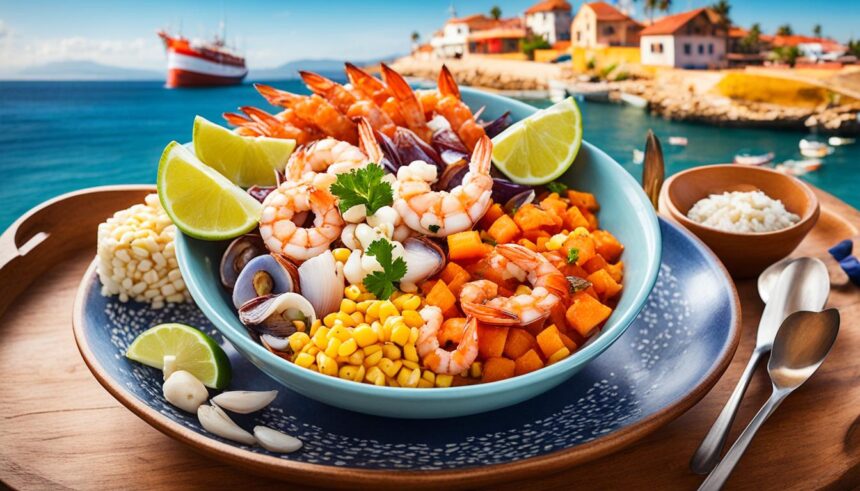
At its core, ceviche is a dish that marries the freshest catch of the day with the zesty tang of citrus juices, typically lime or lemon. The acidity of the citrus acts as a marinade, “cooking” the seafood by denaturing its proteins, resulting in a dish that is both raw and cured. The seafood used can vary, but the most common ingredients include fish such as corvina, shrimp, scallops, or even octopus. These are then combined with onions, chili peppers, and sometimes sweet corn or sweet potato, creating a dish that is a harmonious blend of flavors and textures.

The Cultural Significance

Ceviche is more than just a dish; it’s a cultural icon that reflects the history and traditions of Peru. Its origins can be traced back to the time of the Moche civilization, with evidence of seafood being consumed with acidic fruits. Over the centuries, the dish has evolved, incorporating influences from Spanish colonizers and the African diaspora, leading to the diverse and dynamic ceviche enjoyed today.

In Peru, ceviche is not just a meal; it’s a social experience. It’s commonly served as a shared dish, encouraging conversation and communal enjoyment. The 28th of June is officially recognized as “Ceviche Day” in Peru, a day when the entire country celebrates this national treasure, highlighting its importance to Peruvian identity and culture.

The Art of Preparation

The preparation of ceviche is an art form that requires precision and respect for the ingredients. The key to a great ceviche lies in the quality of the seafood and the balance of flavors. The seafood must be impeccably fresh, ensuring a dish that is both safe to eat and bursting with natural flavors. The citrus marinade is carefully prepared, balancing the acidity to perfectly complement the seafood without overpowering its delicate taste.

The garnishes and accompaniments are equally important. Red onions add a sharp crunch, while chili peppers provide a range of heat, from mild to fiery, catering to individual preferences. Coriander (cilantro) is often added for its aromatic qualities, and sweet corn or sweet potato can be included to add texture and sweetness, contrasting with the acidity of the marinade.

Ceviche Around the World

While ceviche is most closely associated with Peru, its popularity has spread across the globe. Variations of ceviche can be found in countries with significant coastal regions, from Chile and Ecuador to Mexico and even as far as the Philippines. Each region has adapted the dish to suit local tastes and available ingredients, but the essence of ceviche—fresh seafood cured in citrus—remains a constant.

Conclusion

Ceviche is a dish that encapsulates the essence of Peruvian cuisine: fresh, vibrant, and deeply connected to the country’s history and culture. Whether enjoyed in a bustling cevichería in Lima, at a beachside shack in Máncora, or in a restaurant halfway around the world, ceviche remains a delightful expression of Peru’s culinary heritage. Its simplicity and the quality of its ingredients make it a dish that continues to captivate and delight palates around the globe.