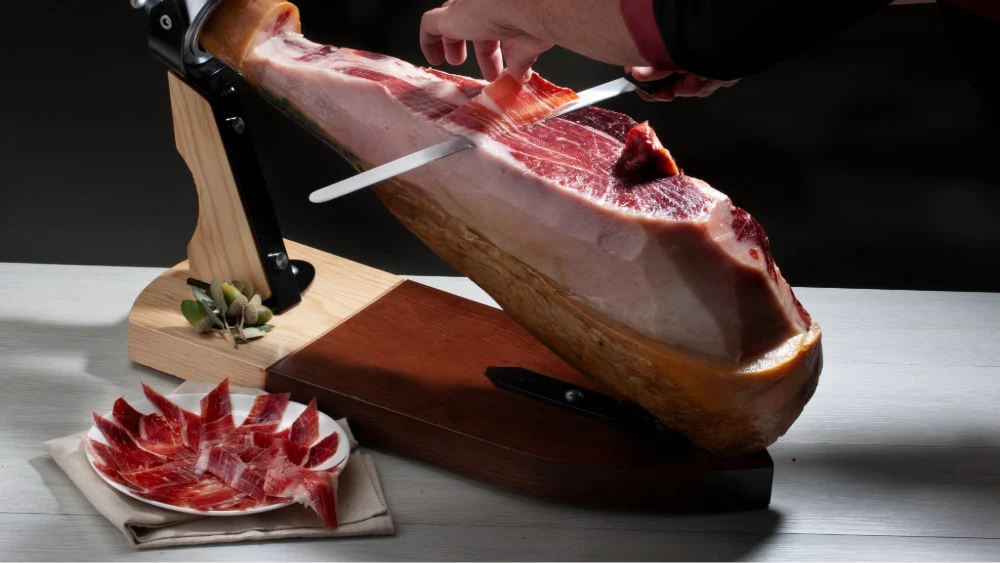
Iberico Ham: A Taste of Spanish Luxury – A Culinary Masterpiece

iwillnotbebroken.org – Iberico ham, a Spanish delicacy, is renowned for its exceptional flavor, texture, and aroma. This exquisite ham is produced from pigs that are raised on a diet of acorns, a practice known as montanera. The acorn-rich diet contributes to the unique marbling and intense flavor of the meat.

The Montanera Process

The montanera process is a crucial step in the production of Iberico ham. During the autumn and winter months, the pigs are allowed to roam freely in the dehesas, vast oak forests in Spain. They feed on acorns, herbs, and other natural foods, which impart a distinctive flavor to the meat.

The Curing Process

After the montanera period, the pigs are slaughtered, and the hams are cured using a traditional process that can take several years. The hams are salted, washed, and dried in controlled environments. During this curing process, the meat loses moisture and develops a complex flavor profile.

The Different Grades of Iberico Ham

Iberico ham is classified into different grades based on the breed of pig, the quality of the acorns, and the duration of the curing process. The highest quality Iberico ham is known as Jamón Ibérico de Bellota, which is produced from purebred Iberian pigs that have been fed exclusively on acorns.

A Culinary Delight

Iberico ham is a versatile ingredient that can be enjoyed in a variety of ways. It is often sliced thinly and served as an appetizer or a main course. It can also be used to flavor salads, pasta dishes, and sandwiches. The rich, complex flavor of Iberico ham elevates any dish to a culinary masterpiece.

Gazpacho: A Refreshing Summer Soup – A Taste of Andalusia

iwillnotbebroken.org – Gazpacho is a cold soup that originated in the Andalusia region of Spain. It’s a refreshing and healthy dish, perfect for hot summer days. The classic version is made with tomatoes, cucumbers, bell peppers, onion, and garlic, all blended together to create a smooth and flavorful soup.

Key Ingredients and Flavors

The key ingredients in gazpacho are:

  • Tomatoes: Ripe, juicy tomatoes are the foundation of the soup, providing a rich, tangy flavor.
  • Cucumbers: Cucumbers add a crisp, refreshing element to the soup.
  • Bell Peppers: Bell peppers, typically a combination of red and green, add sweetness and a vibrant color.
  • Onion: Onion adds a subtle sweetness and depth of flavor.
  • Garlic: Garlic adds a pungent, aromatic flavor.
  • Olive Oil: High-quality olive oil enhances the flavor and richness of the soup.
  • Vinegar: Vinegar, such as sherry vinegar or red wine vinegar, adds acidity and balances the sweetness of the tomatoes.
  • Bread: Stale bread is often added to the soup to thicken it and add a unique texture.

Variations on the Classic

While the classic gazpacho recipe is beloved, there are many variations on the theme. Some popular variations include:

  • Gazpacho Andaluz: The classic version, made with tomatoes, cucumbers, bell peppers, onion, garlic, olive oil, vinegar, and bread.
  • Gazpacho Salmorejo: A thicker version of gazpacho, made with more tomatoes and less liquid. It’s often served with a drizzle of olive oil and a slice of jamón ibérico.
  • Ajo Blanco: A cold soup made with almonds, garlic, olive oil, and water. It’s a refreshing and creamy alternative to traditional gazpacho.

Serving Suggestions

Gazpacho is traditionally served chilled, but it can also be enjoyed at room temperature. It’s often garnished with fresh herbs, such as basil or cilantro, and served with croutons or a drizzle of olive oil.