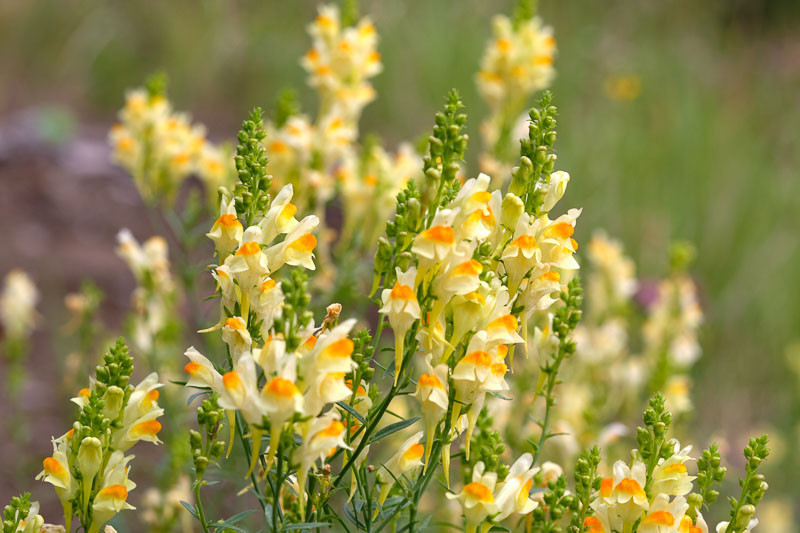
Yellow Toadflax Flower: A Bright and Resilient Wildflower

iwillnotbebroken.org – Yellow Toadflax (Linaria vulgaris), also known as butter-and-eggs, is a perennial wildflower that boasts vibrant yellow flowers and a sprawling growth habit. Native to Europe and parts of Asia, Yellow Toadflax has become widespread in many parts of North America and other regions due to its adaptability and resilience. While it can brighten landscapes and meadows with its cheerful blooms, it is important to recognize that Yellow Toadflax is often considered an invasive species in some areas, outcompeting native plants and disrupting local ecosystems. Understanding its characteristics, growth habits, and ecological impact can help gardeners and land managers make informed decisions about cultivating or controlling this plant.

Appearance and Characteristics

Yellow Toadflax is a bushy, upright perennial plant that typically grows between 1 and 3 feet (30 to 90 cm) in height. The plant has narrow, lance-shaped leaves that are arranged alternately along its stem. The stems themselves are typically stiff and branching, creating a somewhat spindly appearance, especially as the plant matures.

The flowers of Yellow Toadflax are the main attraction of this plant. They are bright yellow, two-lipped, and resemble snapdragon flowers, with a lower lip that is often slightly curled upwards. The flowers grow in loose clusters at the tips of the plant’s stems and bloom from late spring to early autumn. The distinctive shape of the flowers and their vibrant color make Yellow Toadflax a standout in meadows, roadsides, and disturbed areas.

In addition to the flowers, Yellow Toadflax produces small, elongated seed capsules that contain numerous tiny seeds. These seeds are readily dispersed by the wind, helping the plant spread rapidly across a wide area. As a result, Yellow Toadflax is known for its ability to colonize new environments quickly, making it a potential issue for land management and conservation efforts.

Growing and Caring for Yellow Toadflax

Yellow Toadflax is a hardy plant that can thrive in a wide range of soil types and growing conditions. It is well-suited to disturbed areas, roadsides, and meadows, making it a common sight in urban, suburban, and rural environments. Below are some tips for growing and managing Yellow Toadflax:

  1. Light Requirements: Yellow Toadflax prefers full sun to partial shade. It grows best in areas that receive at least 6 hours of direct sunlight per day, although it can tolerate some shade in hotter climates. Full sun encourages the plant to flower profusely and grow vigorously.
  2. Soil: This plant is adaptable to a variety of soil types, including sandy, loamy, and clay soils. However, it thrives in well-drained, moderately fertile soils. Yellow Toadflax is drought-tolerant once established, but it does best in soils that retain moderate moisture.
  3. Watering: While Yellow Toadflax is drought-tolerant, it requires consistent moisture during its early growth stages. Once established, it can handle dry conditions but will perform better with regular watering during hot, dry periods. Overwatering should be avoided, as the plant prefers well-drained soil.
  4. Temperature and Humidity: Yellow Toadflax is hardy in USDA hardiness zones 3 through 9, making it suitable for a wide range of climates. It is tolerant of both cold and hot temperatures, although it prefers moderate humidity levels. In areas with extreme heat or humidity, the plant may benefit from some afternoon shade to prevent stress.
  5. Fertilization: Yellow Toadflax does not require heavy fertilization. In fact, it can thrive in poor soils, which is one reason it can often be found in disturbed environments. If growing in nutrient-deficient soils, applying a balanced fertilizer in the spring can help promote healthy growth and abundant flowers.
  6. Pruning: Yellow Toadflax does not require extensive pruning, but deadheading spent flowers can encourage more blooms and a tidier appearance. Cutting back the plant in late fall can help reduce its spread by removing seed heads before they have a chance to disperse.

Ecological Role and Invasive Nature

Yellow Toadflax has both positive and negative impacts on ecosystems, depending on where it is growing. In its native range, it plays an important role in attracting pollinators and supporting local biodiversity. However, in non-native regions, Yellow Toadflax is often considered an invasive species due to its ability to spread rapidly and outcompete native plants.

  1. Pollinator Support: Yellow Toadflax is attractive to a variety of pollinators, including bees, butterflies, and hummingbirds. Its bright yellow flowers provide nectar, making it a valuable food source during the spring and summer months when many other flowers are not in bloom. The plant’s role as a nectar source helps sustain local insect populations, which are crucial for pollinating other plants.
  2. Invasive Nature: One of the most significant ecological concerns surrounding Yellow Toadflax is its invasiveness. The plant can spread aggressively by seed, forming dense colonies that crowd out native vegetation. This ability to rapidly colonize disturbed areas, such as roadsides, fields, and waste sites, allows Yellow Toadflax to outcompete native species and disrupt the balance of local ecosystems. It is particularly problematic in regions where it has been introduced outside of its native range.
  3. Erosion Control: In some areas, Yellow Toadflax is used in erosion control projects, especially along roadsides and in disturbed areas where native vegetation has been damaged. The plant’s dense growth habit can help stabilize soil and reduce erosion, particularly in regions prone to flooding or heavy rainfall. However, its potential to spread uncontrollably in these areas can lead to unintended ecological consequences.

Pests and Problems

Yellow Toadflax is relatively pest-resistant, but it may occasionally face issues with certain insects and diseases. Some common pests include aphids, flea beetles, and caterpillars, which may feed on the plant’s leaves and stems. These pests can cause minor damage but rarely result in significant harm to the plant’s overall health.

The plant may also be susceptible to fungal diseases, such as powdery mildew, especially in humid conditions. To minimize the risk of disease, ensure proper spacing between plants to promote good air circulation and avoid overhead watering.

Controlling the Spread of Yellow Toadflax

For those wishing to control the spread of Yellow Toadflax, especially in regions where it is considered invasive, several management strategies can be employed:

  1. Manual Removal: Digging up the plants by hand and removing their roots can be effective in controlling small populations. It is important to remove the entire root system, as Yellow Toadflax can regenerate from remaining root fragments.
  2. Mowing and Cutting: Regular mowing or cutting back the plant before it can set seed can help reduce its spread. This can be particularly useful in areas where the plant is growing in dense clusters.
  3. Herbicide: In more severe cases, herbicides may be necessary to control the spread of Yellow Toadflax. It is important to use herbicides carefully, as they can affect non-target plants and animals in the area.

Conclusion

Yellow Toadflax is a resilient and vibrant wildflower that can be both a blessing and a curse, depending on the region. While it offers ecological benefits by attracting pollinators and stabilizing soil, its invasive tendencies make it a plant that requires careful management in non-native areas. Understanding the plant’s growth habits and ecological implications can help gardeners, landowners, and conservationists make informed decisions about how to cultivate or control Yellow Toadflax in their landscapes. Whether used for its beauty or managed for its invasiveness, Yellow Toadflax remains a fascinating and resilient plant with a significant role in the natural world.
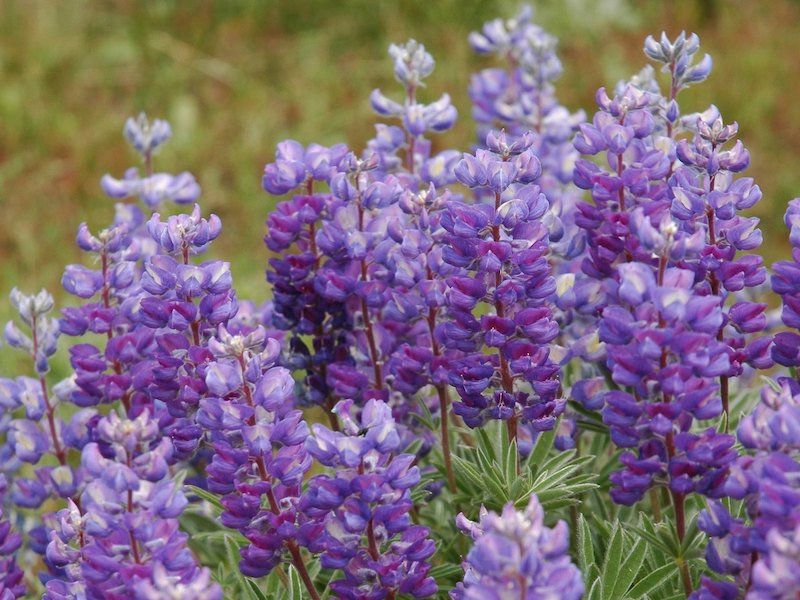
The Silver Lupine Flower: A Beautiful and Resilient Bloom

iwillnotbebroken.org – The Silver Lupine (Lupinus argenteus), known for its striking beauty and unique characteristics, is a flowering plant that graces gardens and wild landscapes with its vibrant hues and intricate structure. Native to North America, particularly in the western United States, it thrives in a variety of conditions, making it a popular choice for both natural habitats and cultivated gardens.

Physical Characteristics of the Silver Lupine

The Silver Lupine is easily recognizable by its silvery-green foliage and tall, upright flower spikes. The flowers themselves bloom in shades of purple, blue, or sometimes pink, forming dense clusters that attract pollinators like bees and butterflies. Each flower has a pea-like shape, typical of the lupine family, and is supported by slender, branching stems that can reach up to 3 feet in height.

The plant’s silver-toned leaves are palmate, consisting of several leaflets that radiate outward from a central point. This distinctive foliage gives the plant a silvery sheen, making it an attractive feature in gardens, especially when backlit by the sun.

Growing Conditions

Silver Lupine is relatively hardy and adaptable to a range of environments. It thrives in well-drained soil, especially in dry, sandy, or rocky terrains. It can often be found in meadows, grasslands, and foothills, particularly at higher elevations. While it prefers full sun, the Silver Lupine can tolerate partial shade, though it might produce fewer flowers under low light conditions.

These flowers are drought-tolerant once established, which makes them an excellent choice for xeriscaping and water-wise gardening. However, they benefit from occasional watering during particularly dry spells to maintain their health and vibrancy.

The Role of the Silver Lupine in the Ecosystem

One of the most remarkable features of the Silver Lupine is its role in soil enrichment. Like other members of the legume family, Silver Lupine has the ability to fix nitrogen in the soil through a symbiotic relationship with soil bacteria. This process improves soil fertility and benefits surrounding plants, particularly in nutrient-poor soils.

Additionally, the plant plays an important role in supporting local wildlife. Its flowers provide a rich source of nectar for pollinators, while the seeds are consumed by various animals, including birds and small mammals. The plant’s ability to adapt and thrive in challenging conditions also helps prevent soil erosion, making it an important species for maintaining the health of the environment.

Medicinal and Cultural Significance

Although Silver Lupine is not typically grown for medicinal purposes, it has held cultural significance for many Indigenous peoples of North America. Some Native American tribes have used lupines in traditional remedies, although caution must be exercised as many lupines, including Silver Lupine, contain alkaloids that can be toxic in large quantities.

In modern times, Silver Lupine is valued primarily for its ornamental appeal in gardens and its ecological benefits. Its bright, cheerful blooms are often used in wildflower meadows, pollinator gardens, and conservation efforts.

Conclusion

The Silver Lupine flower is more than just a pretty face. Its striking appearance, hardiness, and ecological benefits make it a valuable addition to any garden or natural landscape. Whether you’re a seasoned gardener or a nature enthusiast, this beautiful bloom is sure to captivate and inspire.

Red Hot Poker: A Bold and Vibrant Addition to Your Garden

iwillnotbebroken.org – Red Hot Poker (Kniphofia), often called torch lily or poker plant, is a striking and unique flowering plant known for its bold, fiery blooms that resemble a flaming torch. Native to South Africa, this perennial plant has gained popularity worldwide for its dramatic flower spikes and ability to attract pollinators. The plant’s name, “Red Hot Poker,” comes from its vivid, torch-like flower heads that range in color from red and orange to yellow, creating a stunning display in any garden. Whether grown in borders, rock gardens, or containers, Red Hot Poker adds an exciting burst of color and texture, making it a favorite among gardeners looking to enhance their landscapes.

Physical Characteristics

Red Hot Poker is a tall, perennial plant that typically grows between 2 to 5 feet (60 to 150 cm) in height, depending on the species and growing conditions. It has long, narrow, grass-like leaves that form a dense clump at the base of the plant. These leaves are usually a medium to dark green, providing a contrasting backdrop to the bright flower spikes.

The most eye-catching feature of Red Hot Poker is its long, tubular flowers that grow in dense clusters along tall, upright stems. These flowers are typically arranged in a cone or cylindrical shape, giving the plant the appearance of a torch. The blooms start as a bright red or orange color at the base and gradually fade to yellow at the tips, creating a fiery, gradient effect. Some varieties of Red Hot Poker may also have different color combinations, with hues of pink, white, or bi-colored flowers, offering even more variety for gardeners.

The flowering season for Red Hot Poker is typically from late spring to early summer, although this can vary depending on the climate and growing conditions. After blooming, the plant produces small, dry seed heads, which can be collected and sown to propagate new plants.

Growing Conditions

Red Hot Poker is well-suited to warm, sunny climates and thrives in full sun. It is hardy in USDA zones 5 to 9, meaning it can tolerate cold winters in temperate regions but performs best in regions with mild winters and hot summers. The plant prefers well-drained soil and can tolerate a range of soil types, including sandy, loamy, and clay soils. It is particularly important to provide good drainage to avoid root rot, as Red Hot Poker does not thrive in waterlogged conditions.

Once established, Red Hot Poker is relatively drought-tolerant, though it benefits from regular watering during dry periods to encourage healthy growth and vibrant blooms. The plant does not require frequent fertilization, but applying a balanced fertilizer in the spring can promote stronger growth and larger flowers. For the best results, it is recommended to mulch around the base of the plant to retain moisture and suppress weeds.

Red Hot Poker can be propagated by seed, division, or by offset growth. Seeds should be sown in the spring, and new plants can be divided every 2 to 3 years to maintain their vigor and encourage more blooms. The plant is relatively low-maintenance, making it a great choice for gardeners looking for a hardy and visually striking plant with minimal care requirements.

Uses in Gardening and Landscaping

Red Hot Poker is an excellent choice for gardeners who want to add height, drama, and vibrant color to their landscapes. Its striking flowers make it ideal for borders, garden beds, and focal points, where it can stand out and attract attention. The plant’s tall flower spikes also make it a great choice for creating vertical interest in the garden, adding dimension and depth to flower arrangements.

In addition to its ornamental value, Red Hot Poker is also a valuable plant for attracting pollinators, including bees, butterflies, and hummingbirds. The tubular flowers are particularly appealing to these insects and birds, which rely on nectar for food. By adding Red Hot Poker to a pollinator-friendly garden, you can support local wildlife and help maintain biodiversity in your area.

Red Hot Poker also works well in drought-tolerant and xeriscape gardens, where it can be paired with other hardy, low-water plants such as lavender, yucca, or agave. The plant’s bold, vertical flowers contrast beautifully with more compact, rounded plants, creating a dynamic and visually exciting landscape.

Care and Maintenance

Red Hot Poker is relatively easy to care for once established, but there are a few key tips to ensure it thrives:

  • Watering: While Red Hot Poker is drought-tolerant, it performs best when watered regularly during dry spells. Ensure the soil is well-drained, and avoid overwatering to prevent root rot.
  • Sunlight: Provide full sun for the best growth and blooming. Red Hot Poker needs at least 6 hours of direct sunlight per day to produce the vibrant flower spikes it is known for.
  • Soil: The plant thrives in well-drained soil. If planting in heavy clay soil, amend it with organic matter to improve drainage. If growing in containers, use a high-quality potting mix designed for well-drained conditions.
  • Pruning: Deadheading spent flowers can encourage more blooms and prevent the plant from becoming leggy. In late fall, cut back the foliage to the ground to prepare the plant for winter, especially in colder climates. Mulching around the base can help protect the roots during the winter months.
  • Fertilizing: Apply a balanced fertilizer in the spring to promote strong growth. Red Hot Poker does not require frequent fertilization, so avoid overfeeding, which can lead to excessive foliage growth at the expense of flowering.

Ecological Importance

Red Hot Poker plays a key role in supporting pollinators in the garden. Its tubular flowers are a favorite of hummingbirds, bees, and butterflies, providing them with nectar during the blooming season. The plant’s ability to attract these beneficial creatures makes it an excellent addition to any pollinator garden, helping to ensure the health and survival of local insect populations.

Additionally, Red Hot Poker is a valuable plant for gardeners in drought-prone areas. Its ability to tolerate dry conditions once established makes it a great choice for xeriscaping, a water-conserving gardening technique that emphasizes drought-tolerant plants.

Conclusion

Red Hot Poker is a striking and versatile plant that adds bold color, height, and texture to any garden. With its fiery, torch-like flowers and its ability to attract pollinators, it is a perfect addition to both ornamental and wildlife-friendly gardens. Whether planted in borders, rock gardens, or containers, Red Hot Poker provides a stunning display of color and attracts a variety of beneficial insects. Its low-maintenance nature, combined with its dramatic blooms, makes it an ideal choice for gardeners looking for a visually striking and hardy perennial that thrives in sunny, well-drained conditions.

Liverleaf Flower: A Delicate Early Spring Bloom

iwillnotbebroken.org – The Liverleaf (Hepatica nobilis) is one of the first flowers to bloom in spring, often emerging from the ground while the last remnants of snow are still melting away. Known for its small yet striking flowers, Liverleaf holds a special place in woodland gardens and natural landscapes, symbolizing the resilience of nature and the hope of renewal. This perennial flower is celebrated for its unique appearance and historical significance.

Origins and Habitat

Liverleaf is native to Europe and North America, particularly in the woodlands and forests of temperate regions. It thrives in well-drained, slightly acidic soils and is commonly found in shaded areas, such as under trees or in moist, rich ground. This plant prefers cool, moist environments and tends to grow in places where it receives filtered sunlight, which makes it an ideal addition to shaded gardens or natural woodland settings.

Characteristics and Varieties

The Liverleaf flower is easily recognizable by its vibrant, star-shaped blossoms, which come in shades of purple, blue, pink, or white. The plant typically reaches 4 to 6 inches in height and produces blooms in early spring, often before the surrounding trees have fully leafed out. Its leaves, which resemble the shape of a liver (hence the name), are lobed and leathery, adding a distinct texture to the plant even after flowering. Liverleaf is a slow-growing perennial that can persist for many years in the right environment.

Growing Liverleaf

Liverleaf thrives in woodland gardens, shaded borders, or as part of a naturalized planting scheme. It prefers moist, well-drained soil that is rich in organic matter. Since it blooms early in the season, it can tolerate colder conditions, making it one of the first flowers to signal the arrival of spring. When planting Liverleaf, it is essential to provide a location that mimics its natural habitat: cool, shaded, and protected from direct sunlight. Regular watering during dry spells is crucial, but standing water should be avoided as the plant does not tolerate waterlogged soil.

Symbolism and Significance

Liverleaf has deep symbolism in various cultures. Its early bloom in spring represents renewal, hope, and the promise of warmer days. The plant’s ability to thrive in the cold, early spring conditions makes it a symbol of resilience and endurance. Additionally, in some cultures, the Liverleaf is associated with healing, as its leaves were historically used in folk medicine to treat ailments related to the liver.

Liverleaf in Garden Design

Liverleaf is often used in shade gardens, woodland gardens, or naturalized landscapes due to its ability to thrive in low-light conditions. It pairs well with other early-blooming flowers like snowdrops, crocuses, and violets, creating a beautiful and delicate spring display. Its understated beauty and early blooming period make it a favorite for gardeners looking to extend the spring bloom season.

Conclusion

The Liverleaf flower, with its delicate blooms and rich symbolism, is a wonderful addition to any garden or natural landscape. Its resilience in early spring conditions and its ability to thrive in shaded, moist environments make it a perfect choice for woodland gardens. With its historical significance and unique charm, the Liverleaf flower continues to captivate garden enthusiasts and nature lovers alike, marking the first signs of spring and the renewal of life in the natural world.

Gooseneck Loosestrife Flower: A Graceful Garden Beauty

iwillnotbebroken.org – The Gooseneck Loosestrife (Lysimachia clethroides) is a charming and unusual perennial known for its distinctive, arching flower spikes that resemble the curved neck of a goose. This hardy plant adds a touch of elegance to any garden with its unique flower shape and lush green foliage. In this article, we’ll explore the characteristics, care requirements, and benefits of growing the Gooseneck Loosestrife flower.

Characteristics of the Gooseneck Loosestrife Flower

Gooseneck Loosestrife is a perennial that produces graceful, curved flower spikes covered in small, star-shaped white flowers. The arching blooms, which appear from mid-summer to early fall, create a striking visual display, making this plant a conversation piece in any garden. The plant’s foliage is also attractive, with lance-shaped green leaves that turn shades of red or orange in the fall.

Gooseneck Loosestrife typically grows 2 to 3 feet tall and spreads through underground rhizomes, forming dense colonies. This spreading habit makes it ideal for filling large spaces or creating naturalistic garden borders. However, it can become aggressive in some settings, so it’s important to manage its growth.

Ideal Growing Conditions

Gooseneck Loosestrife is a versatile and adaptable plant that thrives in various conditions. Here are some essential tips to ensure its healthy growth:

  • Sunlight: The plant grows well in full sun to partial shade. In hotter climates, partial shade is preferable to prevent the foliage from scorching.
  • Soil: It prefers moist, well-drained soil but can tolerate wetter areas, making it an excellent choice for rain gardens or near water features.
  • Watering: Gooseneck Loosestrife enjoys consistently moist soil, especially during the growing season. Regular watering is essential to keep the plant healthy and promote abundant flowering.
  • Pruning: Deadheading spent flowers can help maintain the plant’s neat appearance. To control its spreading nature, divide the plant every few years or prune back the runners.

Benefits of Planting Gooseneck Loosestrife

Gooseneck Loosestrife offers a range of benefits beyond its distinctive beauty:

  • Attractive to Pollinators: The small white flowers attract bees, butterflies, and other pollinators, contributing to the health of your garden ecosystem.
  • Erosion Control: Its spreading nature and ability to thrive in moist soil make it an effective plant for controlling erosion on slopes or along stream banks.
  • Low Maintenance: Once established, Gooseneck Loosestrife requires minimal care. Its ability to spread and fill in spaces makes it an ideal plant for gardeners seeking a groundcover solution.
  • Seasonal Interest: The plant not only provides beautiful summer blooms but also offers colorful fall foliage, adding interest to your garden across seasons.

Managing Growth

While Gooseneck Loosestrife is a stunning addition to the garden, it can be an aggressive spreader. To prevent it from overtaking other plants, consider planting it in contained areas or using barriers to limit its spread. Regular division and pruning can also help keep its growth in check.

Conclusion

The Gooseneck Loosestrife is a unique and versatile plant that brings both beauty and functionality to gardens. Its elegant, curving flower spikes, attractive foliage, and ability to thrive in moist soils make it a great choice for borders, rain gardens, or naturalistic landscapes. With its long-lasting blooms and easy-care nature, Gooseneck Loosestrife is a plant that can enhance any garden space—just be mindful of its spreading habit to keep it in balance with your other plants.

The Timeless Elegance of the English Rose – Key Features

iwillnotbebroken.org – The English Rose is a symbol of timeless beauty and grace, beloved for its classic charm and rich cultural history. Renowned for its romantic, soft petals and distinctive fragrance, this iconic flower continues to captivate gardeners, florists, and admirers around the world. With its rich heritage and variety of colors, the English Rose has earned a revered place in the world of flowers.

What Makes the English Rose Special?

The English Rose, often associated with the works of famed horticulturist David Austin, is a hybrid rose known for its exceptional beauty, robust fragrance, and large, full blooms. This rose is a hybrid between traditional old garden roses and modern rose varieties, combining the best of both worlds. It is characterized by its rounded, multi-petaled blooms that exude a romantic, vintage appeal.

The flowers come in a range of colors, from soft pinks and whites to deep reds and apricots, making it a versatile choice for any garden or bouquet. Its fragrance, often described as a rich and intoxicating blend of tea, fruit, and myrrh, is another feature that sets the English Rose apart from other varieties.

Key Features of the English Rose

  • Exquisite Blooms: The English Rose is known for its large, full blooms, which can measure up to 4-5 inches in diameter. These roses are often cupped or bowl-shaped, with layers of delicate petals that give them a lush, elegant look.
  • Fragrance: One of the most prized features of the English Rose is its exceptional scent. These roses are famous for their rich, old-fashioned fragrance, which can fill a garden with a sweet, nostalgic aroma.
  • Variety of Colors: From the soft blush of “Abraham Darby” to the warm coral tones of “Lady of Shalott,” the English Rose comes in a wide array of hues. This variety allows gardeners to create stunning, visually striking displays in their gardens.

Symbolism of the English Rose

Throughout history, the rose has been a symbol of love, beauty, and passion. The English Rose, in particular, carries cultural significance and has long been associated with British history and tradition. It is often considered a symbol of national pride and is linked to both the monarchy and the English countryside.

In addition to its connection with England’s heritage, the English Rose is a symbol of admiration, making it a perfect choice for expressing romantic affection, appreciation, and respect.

Growing the English Rose

The English Rose is a relatively easy flower to grow with the right care. Here are some tips to help ensure your roses thrive:

  • Sunlight: English Roses require plenty of sunlight to grow well. Aim for at least 6 hours of direct sunlight per day for optimal bloom production.
  • Soil: Well-drained, fertile soil is essential for healthy roses. Incorporating organic matter, such as compost, will improve the soil’s structure and provide necessary nutrients.
  • Watering: Roses need consistent watering, especially during dry periods. However, avoid watering the foliage to prevent fungal diseases. Watering at the base of the plant is ideal.
  • Pruning: Pruning helps maintain the shape of the rose and encourages new growth. It’s best to prune English Roses in early spring, removing any dead or damaged wood and shaping the plant to promote airflow.

The Versatility of the English Rose

The English Rose is not just a garden flower; its uses extend far beyond the outdoors. Whether used in cut flower arrangements, perfumes, or cosmetics, the English Rose is a cherished addition to many products and settings.

  • Cut Flowers: English Roses are a popular choice in floral arrangements due to their large blooms and stunning fragrance. They are often used in wedding bouquets, as they represent romance and elegance.
  • Perfumes and Skincare: The essence of the English Rose is used in a variety of beauty products, from perfumes to lotions. Its soothing properties and delicate fragrance make it a luxurious ingredient in skincare.

Conclusion

The English Rose is more than just a beautiful flower—it is a symbol of elegance, romance, and enduring beauty. Whether you’re adding it to your garden or enjoying its fragrance in your home, the English Rose brings a touch of grace and history to any space. Its rich cultural heritage, stunning appearance, and delightful scent make it a cherished flower for generations to come.

Candy Cane Sorrel: A Striking Beauty with a Sweet Twist

iwillnotbebroken.org – The Candy Cane Sorrel (Oxalis versicolor) is a charming and eye-catching flower that easily stands out in any garden with its unique appearance. As its name suggests, the petals of this flower have a distinct candy cane-like pattern, making it an irresistible choice for those looking to add a bit of whimsy and color to their garden or landscape. Here’s an exploration of the fascinating traits and growing requirements of this lovely flower.

Botanical Description

Candy Cane Sorrel is a perennial plant that belongs to the Oxalis family. The plant typically grows 4 to 6 inches in height, with clover-like green foliage that complements its stunning blooms. The flowers of this species are its most striking feature: each flower has white petals with a distinctive red or pink stripe along the edges, giving it a candy cane appearance before the blooms fully open. When the sun is out and the flowers unfold, they reveal pure white interiors, providing a delightful contrast to the striped exterior.

Habitat and Growth Conditions

Native to South Africa, Candy Cane Sorrel thrives in sunny and well-drained environments. It can be grown both outdoors and indoors, provided that the growing conditions are met. It prefers sandy or loamy soil and needs plenty of sunlight to bloom to its full potential. This flower is an excellent choice for rock gardens, borders, or as part of container displays where it can receive full sun.

Although it loves sun, it’s best planted in regions with mild winters, as it is not frost-tolerant. In cooler climates, it’s often grown as an annual or brought indoors during the colder months.

Ecological Importance

Like other Oxalis species, the Candy Cane Sorrel attracts pollinators such as bees and butterflies, helping to support local ecosystems. Its flowers provide nectar, and its small stature makes it a suitable companion for other low-growing plants. Though not as ecologically essential as native wildflowers, it still offers benefits in promoting biodiversity in garden environments.

Cultivation and Care

Candy Cane Sorrel is relatively easy to care for, making it a popular choice for gardeners of all skill levels. It is commonly propagated by bulbs, which can be planted in the fall or early spring. When planting, ensure the soil is well-draining to avoid waterlogging, which can damage the bulbs.

Watering should be moderate, with more frequent watering during hot, dry periods, and less during cooler months. These plants do well in containers and can also be a stunning addition to window boxes where they can bask in sunlight.

In terms of care, regular deadheading of spent flowers will encourage more blooms throughout the growing season. Fertilization with a balanced, slow-release fertilizer during the active growing period can promote healthy foliage and flower production.

Ornamental Uses

The Candy Cane Sorrel’s vivid color combination and compact growth make it perfect for ornamental planting. Its ability to create visual interest even when not in full bloom (as the striped buds are attractive on their own) makes it a versatile choice for various garden designs. It works well in alpine or rock gardens, mixed borders, or as a unique focal point in container plantings.

Conclusion

With its delightful red and white striped petals, the Candy Cane Sorrel adds a splash of festive cheer to any garden. While it requires specific growing conditions to thrive, its ease of care and beautiful, whimsical appearance make it a favorite for gardeners looking to add a bit of joy and color to their outdoor space. Whether planted in rock gardens, borders, or containers, the Candy Cane Sorrel is sure to turn heads and bring a smile to anyone who sees it.

Bigleaf Lantana: A Vibrant and Hardy Beauty for Your Garden

iwillnotbebroken.org – Bigleaf Lantana, known scientifically as Lantana camara, is a tropical and subtropical flowering plant that offers an explosion of color and beauty. With its large, colorful blooms and hardy nature, it’s a favorite among gardeners and landscapers alike. Native to the Americas, Bigleaf Lantana has spread across the world, known for both its aesthetic value and its ability to thrive in various climates.

Appearance and Characteristics

Bigleaf Lantana is a sprawling shrub that can grow up to 3 feet (90 cm) tall, with some varieties reaching even taller heights. The plant is renowned for its large clusters of small, tubular flowers that bloom in a stunning array of colors. Typically, the flowers start out as one shade and then gradually change as they mature, creating a striking multi-colored effect. Common colors include vibrant shades of orange, pink, yellow, red, and purple, which make the plant an eye-catching addition to any garden or landscape.

The plant’s large, coarse leaves are dark green and slightly rough to the touch, with a fragrant aroma when crushed. The leaves complement the colorful flowers, enhancing the plant’s overall visual appeal. In addition to its beauty, Bigleaf Lantana is known for attracting pollinators such as butterflies, bees, and hummingbirds, making it a wonderful choice for creating a wildlife-friendly garden.

Growing Conditions and Care

Bigleaf Lantana thrives in full sun, where it can receive at least six hours of direct sunlight each day. It prefers well-drained soil and is tolerant of drought, making it a low-maintenance plant once established. While it can adapt to a range of soil types, it does best in slightly acidic to neutral soils.

This plant is heat-tolerant and can handle high temperatures, which makes it ideal for tropical and subtropical climates. However, in colder regions, Bigleaf Lantana is typically grown as an annual or brought indoors during the winter. In milder climates, it can be grown year-round, often returning each spring with new growth.

To encourage healthy growth and abundant blooms, it’s recommended to prune the plant regularly, removing dead or leggy branches. Regular watering is important during dry spells, but once the plant is established, it becomes quite drought-tolerant. Fertilizing once or twice a year with a balanced, slow-release fertilizer can also help boost flowering.

Benefits and Uses

One of the standout features of Bigleaf Lantana is its vibrant and long-lasting blooms, which can brighten up any garden, patio, or landscape. It is commonly used in flower beds, hanging baskets, and borders, and its ability to grow quickly makes it ideal for filling empty spaces or creating colorful ground cover.

Aside from its ornamental value, Bigleaf Lantana is also a valuable addition to gardens focused on attracting wildlife. The plant’s flowers are particularly attractive to butterflies and hummingbirds, making it a go-to choice for butterfly gardens or wildlife habitats. Additionally, its ability to thrive in challenging conditions like drought and heat makes it a reliable option for xeriscaping and low-maintenance gardens.

Considerations and Safety

Despite its beauty and usefulness, it’s important to note that Bigleaf Lantana is toxic to both humans and animals if ingested. The berries of the plant, in particular, can cause gastrointestinal distress and should be kept away from children and pets. While the plant is not typically harmful through casual contact, it’s always a good idea to handle it with care and to educate others on its potential toxicity.

Conclusion

Bigleaf Lantana is a hardy and stunning flowering plant that offers a burst of color and vitality to gardens and landscapes. Its easy-to-care-for nature and ability to attract wildlife make it an excellent choice for gardeners of all skill levels. Whether you’re looking to add a splash of color to a sunny spot or create a habitat for pollinators, Bigleaf Lantana is sure to meet your needs. Just remember to handle it with caution, as its beauty comes with a touch of danger.

African Daisy: A Colorful and Resilient Bloom for Any Garden

iwillnotbebroken.org – The African Daisy, scientifically known as Osteospermum, is a radiant and resilient flower that originates from South Africa. Its vibrant blooms and tough nature make it a favorite among gardeners, especially those looking for drought-tolerant plants. African daisies add a splash of color to any garden and are perfect for borders, containers, or mass plantings.

Key Features of the African Daisy

  1. Stunning Flower Variety: African daisies are known for their bright, daisy-like blooms that come in an array of colors, including white, pink, purple, yellow, and orange. The flowers often feature a contrasting eye at the center, which can range from dark purple to blue, adding extra visual interest.
  2. Extended Blooming Period: One of the most appealing features of the African daisy is its long blooming season. It typically flowers from late spring to early fall, with peak performance in summer when the weather is warm and sunny.
  3. Sun and Heat Tolerance: African daisies thrive in full sun and are particularly well-suited to hot, dry climates. Their ability to withstand high temperatures and direct sunlight makes them an excellent choice for regions with challenging growing conditions.
  4. Drought Resistance: Once established, African daisies are remarkably drought-tolerant. This makes them ideal for xeriscaping, low-water gardens, or areas that experience dry spells. However, regular watering during the establishment period is necessary.
  5. Attractive Foliage: In addition to their eye-catching flowers, African daisies have striking silvery-green or green foliage that enhances the overall aesthetic of the plant. The foliage is compact and complements the brightly colored blooms.
  6. Pollinator Friendly: Like many daisy varieties, African daisies attract bees, butterflies, and other beneficial pollinators. This makes them a great addition to pollinator gardens or eco-friendly landscapes.

Planting and Care Guidelines

  • Sunlight: For best results, plant African daisies in full sun. They need at least six hours of direct sunlight daily to thrive and produce an abundance of flowers.
  • Soil: These daisies prefer well-drained soil and can tolerate poor soil conditions, including sandy or rocky soils.
  • Watering: While African daisies are drought-tolerant, they appreciate regular watering during dry spells, especially in the early stages of growth. Allow the soil to dry out between watering sessions to prevent root rot.
  • Pruning: Deadheading spent flowers encourages continuous blooming and keeps the plant looking tidy. Prune the foliage as needed to maintain a healthy, compact shape.
  • Cold Tolerance: African daisies are hardy in USDA zones 9-11 but can be treated as annuals in cooler climates. In colder regions, consider growing them in containers and bringing them indoors during frost.

Best Uses in the Garden

African daisies are incredibly versatile and can be used in a variety of garden settings. They are perfect for sunny borders, rock gardens, and mixed flower beds. Because of their bold, vibrant colors, they are excellent for creating eye-catching displays. African daisies also work well in containers and hanging baskets, making them a great choice for patios and balconies.

Their drought tolerance and heat resistance make them ideal for water-wise gardening or landscapes that aim to conserve water. Whether used in mass plantings or as accent plants, African daisies bring brightness and beauty to any outdoor space.

Conclusion

The African Daisy is a hardy, easy-to-grow plant that delivers stunning floral displays with minimal effort. Its vibrant blooms, long flowering season, and drought resistance make it a standout choice for gardeners looking to add color to their landscapes. Whether you’re gardening in a hot, dry climate or simply want a low-maintenance plant that attracts pollinators, the African daisy is a reliable and beautiful addition to any garden.

Poisonous Plants in Home and Garden: The Deadly Decor

iwillnotbebroken.org – The allure of greenery in our homes and gardens is undeniable, but it’s crucial to be aware that not all plants are safe to have around. Some beautiful and seemingly innocuous plants can be deadly if ingested or even touched. This article will explore the dangers of poisonous plants commonly found in home and garden settings, the risks they pose, and how to safely enjoy your green spaces.

The Risks of Poisonous Plants

Poisonous plants can cause a range of health issues, from mild skin irritation to severe organ damage and even death. Children and pets are particularly vulnerable to the dangers of these plants, as they are more likely to ingest them out of curiosity. It’s essential to identify and understand the risks associated with the plants you bring into your home and garden.

Common Poisonous Plants

Several plants commonly found in home and garden settings are toxic. These include the Dieffenbachia, also known as dumb cane, which can cause swelling and difficulty swallowing; the Philodendron, whose sap can lead to severe skin and eye irritation; and the Oleander, a highly toxic plant that can cause cardiac and gastrointestinal issues. Other dangerous plants include the Castor Bean, Rhododendron, and Yew.

Symptoms of Poisoning

Recognizing the symptoms of plant poisoning is critical for quick intervention. Symptoms can vary widely depending on the type of plant ingested or touched and may include vomiting, diarrhea, skin rashes, difficulty breathing, and in severe cases, seizures or heart palpitations. If you suspect plant poisoning, seek medical attention immediately.

Preventing Accidents

To prevent accidents, it’s important to research the plants you intend to grow and keep them out of reach of children and pets. Consider creating a garden space that is safe for children and pets, with non-toxic plants. Additionally, educating your family about the dangers of certain plants can help prevent accidental ingestion or contact.

Conclusion

While the beauty of plants can enhance our living spaces, it’s essential to be mindful of the potential dangers they may pose. By understanding the risks associated with poisonous plants and taking proactive measures to prevent accidents, you can safely enjoy the greenery in your home and garden. Always prioritize safety and be informed about the plants you choose to cultivate.