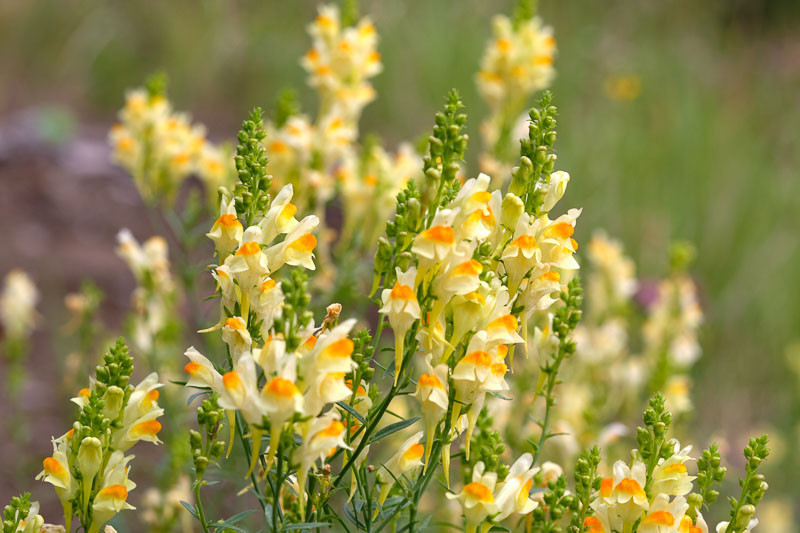
Yellow Toadflax Flower: A Bright and Resilient Wildflower

iwillnotbebroken.org – Yellow Toadflax (Linaria vulgaris), also known as butter-and-eggs, is a perennial wildflower that boasts vibrant yellow flowers and a sprawling growth habit. Native to Europe and parts of Asia, Yellow Toadflax has become widespread in many parts of North America and other regions due to its adaptability and resilience. While it can brighten landscapes and meadows with its cheerful blooms, it is important to recognize that Yellow Toadflax is often considered an invasive species in some areas, outcompeting native plants and disrupting local ecosystems. Understanding its characteristics, growth habits, and ecological impact can help gardeners and land managers make informed decisions about cultivating or controlling this plant.

Appearance and Characteristics

Yellow Toadflax is a bushy, upright perennial plant that typically grows between 1 and 3 feet (30 to 90 cm) in height. The plant has narrow, lance-shaped leaves that are arranged alternately along its stem. The stems themselves are typically stiff and branching, creating a somewhat spindly appearance, especially as the plant matures.

The flowers of Yellow Toadflax are the main attraction of this plant. They are bright yellow, two-lipped, and resemble snapdragon flowers, with a lower lip that is often slightly curled upwards. The flowers grow in loose clusters at the tips of the plant’s stems and bloom from late spring to early autumn. The distinctive shape of the flowers and their vibrant color make Yellow Toadflax a standout in meadows, roadsides, and disturbed areas.

In addition to the flowers, Yellow Toadflax produces small, elongated seed capsules that contain numerous tiny seeds. These seeds are readily dispersed by the wind, helping the plant spread rapidly across a wide area. As a result, Yellow Toadflax is known for its ability to colonize new environments quickly, making it a potential issue for land management and conservation efforts.

Growing and Caring for Yellow Toadflax

Yellow Toadflax is a hardy plant that can thrive in a wide range of soil types and growing conditions. It is well-suited to disturbed areas, roadsides, and meadows, making it a common sight in urban, suburban, and rural environments. Below are some tips for growing and managing Yellow Toadflax:

  1. Light Requirements: Yellow Toadflax prefers full sun to partial shade. It grows best in areas that receive at least 6 hours of direct sunlight per day, although it can tolerate some shade in hotter climates. Full sun encourages the plant to flower profusely and grow vigorously.
  2. Soil: This plant is adaptable to a variety of soil types, including sandy, loamy, and clay soils. However, it thrives in well-drained, moderately fertile soils. Yellow Toadflax is drought-tolerant once established, but it does best in soils that retain moderate moisture.
  3. Watering: While Yellow Toadflax is drought-tolerant, it requires consistent moisture during its early growth stages. Once established, it can handle dry conditions but will perform better with regular watering during hot, dry periods. Overwatering should be avoided, as the plant prefers well-drained soil.
  4. Temperature and Humidity: Yellow Toadflax is hardy in USDA hardiness zones 3 through 9, making it suitable for a wide range of climates. It is tolerant of both cold and hot temperatures, although it prefers moderate humidity levels. In areas with extreme heat or humidity, the plant may benefit from some afternoon shade to prevent stress.
  5. Fertilization: Yellow Toadflax does not require heavy fertilization. In fact, it can thrive in poor soils, which is one reason it can often be found in disturbed environments. If growing in nutrient-deficient soils, applying a balanced fertilizer in the spring can help promote healthy growth and abundant flowers.
  6. Pruning: Yellow Toadflax does not require extensive pruning, but deadheading spent flowers can encourage more blooms and a tidier appearance. Cutting back the plant in late fall can help reduce its spread by removing seed heads before they have a chance to disperse.

Ecological Role and Invasive Nature

Yellow Toadflax has both positive and negative impacts on ecosystems, depending on where it is growing. In its native range, it plays an important role in attracting pollinators and supporting local biodiversity. However, in non-native regions, Yellow Toadflax is often considered an invasive species due to its ability to spread rapidly and outcompete native plants.

  1. Pollinator Support: Yellow Toadflax is attractive to a variety of pollinators, including bees, butterflies, and hummingbirds. Its bright yellow flowers provide nectar, making it a valuable food source during the spring and summer months when many other flowers are not in bloom. The plant’s role as a nectar source helps sustain local insect populations, which are crucial for pollinating other plants.
  2. Invasive Nature: One of the most significant ecological concerns surrounding Yellow Toadflax is its invasiveness. The plant can spread aggressively by seed, forming dense colonies that crowd out native vegetation. This ability to rapidly colonize disturbed areas, such as roadsides, fields, and waste sites, allows Yellow Toadflax to outcompete native species and disrupt the balance of local ecosystems. It is particularly problematic in regions where it has been introduced outside of its native range.
  3. Erosion Control: In some areas, Yellow Toadflax is used in erosion control projects, especially along roadsides and in disturbed areas where native vegetation has been damaged. The plant’s dense growth habit can help stabilize soil and reduce erosion, particularly in regions prone to flooding or heavy rainfall. However, its potential to spread uncontrollably in these areas can lead to unintended ecological consequences.

Pests and Problems

Yellow Toadflax is relatively pest-resistant, but it may occasionally face issues with certain insects and diseases. Some common pests include aphids, flea beetles, and caterpillars, which may feed on the plant’s leaves and stems. These pests can cause minor damage but rarely result in significant harm to the plant’s overall health.

The plant may also be susceptible to fungal diseases, such as powdery mildew, especially in humid conditions. To minimize the risk of disease, ensure proper spacing between plants to promote good air circulation and avoid overhead watering.

Controlling the Spread of Yellow Toadflax

For those wishing to control the spread of Yellow Toadflax, especially in regions where it is considered invasive, several management strategies can be employed:

  1. Manual Removal: Digging up the plants by hand and removing their roots can be effective in controlling small populations. It is important to remove the entire root system, as Yellow Toadflax can regenerate from remaining root fragments.
  2. Mowing and Cutting: Regular mowing or cutting back the plant before it can set seed can help reduce its spread. This can be particularly useful in areas where the plant is growing in dense clusters.
  3. Herbicide: In more severe cases, herbicides may be necessary to control the spread of Yellow Toadflax. It is important to use herbicides carefully, as they can affect non-target plants and animals in the area.

Conclusion

Yellow Toadflax is a resilient and vibrant wildflower that can be both a blessing and a curse, depending on the region. While it offers ecological benefits by attracting pollinators and stabilizing soil, its invasive tendencies make it a plant that requires careful management in non-native areas. Understanding the plant’s growth habits and ecological implications can help gardeners, landowners, and conservationists make informed decisions about how to cultivate or control Yellow Toadflax in their landscapes. Whether used for its beauty or managed for its invasiveness, Yellow Toadflax remains a fascinating and resilient plant with a significant role in the natural world.
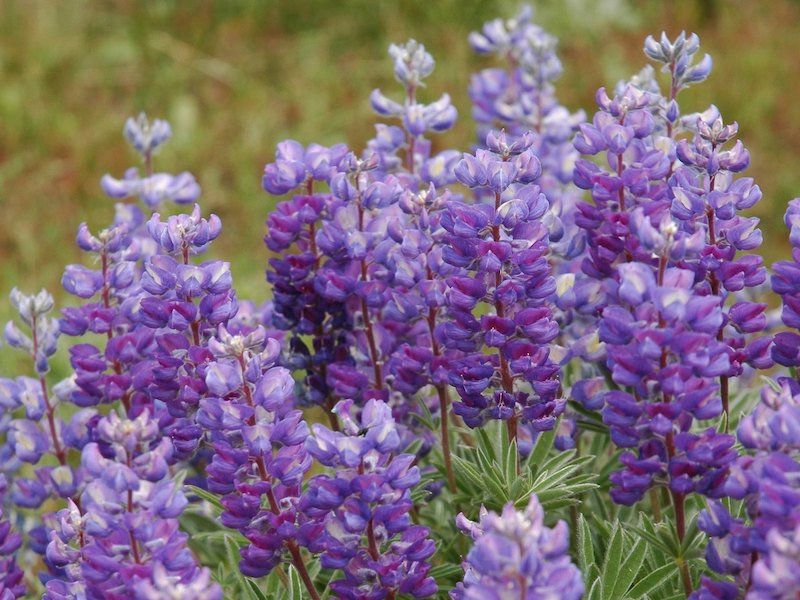
The Silver Lupine Flower: A Beautiful and Resilient Bloom

iwillnotbebroken.org – The Silver Lupine (Lupinus argenteus), known for its striking beauty and unique characteristics, is a flowering plant that graces gardens and wild landscapes with its vibrant hues and intricate structure. Native to North America, particularly in the western United States, it thrives in a variety of conditions, making it a popular choice for both natural habitats and cultivated gardens.

Physical Characteristics of the Silver Lupine

The Silver Lupine is easily recognizable by its silvery-green foliage and tall, upright flower spikes. The flowers themselves bloom in shades of purple, blue, or sometimes pink, forming dense clusters that attract pollinators like bees and butterflies. Each flower has a pea-like shape, typical of the lupine family, and is supported by slender, branching stems that can reach up to 3 feet in height.

The plant’s silver-toned leaves are palmate, consisting of several leaflets that radiate outward from a central point. This distinctive foliage gives the plant a silvery sheen, making it an attractive feature in gardens, especially when backlit by the sun.

Growing Conditions

Silver Lupine is relatively hardy and adaptable to a range of environments. It thrives in well-drained soil, especially in dry, sandy, or rocky terrains. It can often be found in meadows, grasslands, and foothills, particularly at higher elevations. While it prefers full sun, the Silver Lupine can tolerate partial shade, though it might produce fewer flowers under low light conditions.

These flowers are drought-tolerant once established, which makes them an excellent choice for xeriscaping and water-wise gardening. However, they benefit from occasional watering during particularly dry spells to maintain their health and vibrancy.

The Role of the Silver Lupine in the Ecosystem

One of the most remarkable features of the Silver Lupine is its role in soil enrichment. Like other members of the legume family, Silver Lupine has the ability to fix nitrogen in the soil through a symbiotic relationship with soil bacteria. This process improves soil fertility and benefits surrounding plants, particularly in nutrient-poor soils.

Additionally, the plant plays an important role in supporting local wildlife. Its flowers provide a rich source of nectar for pollinators, while the seeds are consumed by various animals, including birds and small mammals. The plant’s ability to adapt and thrive in challenging conditions also helps prevent soil erosion, making it an important species for maintaining the health of the environment.

Medicinal and Cultural Significance

Although Silver Lupine is not typically grown for medicinal purposes, it has held cultural significance for many Indigenous peoples of North America. Some Native American tribes have used lupines in traditional remedies, although caution must be exercised as many lupines, including Silver Lupine, contain alkaloids that can be toxic in large quantities.

In modern times, Silver Lupine is valued primarily for its ornamental appeal in gardens and its ecological benefits. Its bright, cheerful blooms are often used in wildflower meadows, pollinator gardens, and conservation efforts.

Conclusion

The Silver Lupine flower is more than just a pretty face. Its striking appearance, hardiness, and ecological benefits make it a valuable addition to any garden or natural landscape. Whether you’re a seasoned gardener or a nature enthusiast, this beautiful bloom is sure to captivate and inspire.

Liverleaf Flower: A Delicate Early Spring Bloom

iwillnotbebroken.org – The Liverleaf (Hepatica nobilis) is one of the first flowers to bloom in spring, often emerging from the ground while the last remnants of snow are still melting away. Known for its small yet striking flowers, Liverleaf holds a special place in woodland gardens and natural landscapes, symbolizing the resilience of nature and the hope of renewal. This perennial flower is celebrated for its unique appearance and historical significance.

Origins and Habitat

Liverleaf is native to Europe and North America, particularly in the woodlands and forests of temperate regions. It thrives in well-drained, slightly acidic soils and is commonly found in shaded areas, such as under trees or in moist, rich ground. This plant prefers cool, moist environments and tends to grow in places where it receives filtered sunlight, which makes it an ideal addition to shaded gardens or natural woodland settings.

Characteristics and Varieties

The Liverleaf flower is easily recognizable by its vibrant, star-shaped blossoms, which come in shades of purple, blue, pink, or white. The plant typically reaches 4 to 6 inches in height and produces blooms in early spring, often before the surrounding trees have fully leafed out. Its leaves, which resemble the shape of a liver (hence the name), are lobed and leathery, adding a distinct texture to the plant even after flowering. Liverleaf is a slow-growing perennial that can persist for many years in the right environment.

Growing Liverleaf

Liverleaf thrives in woodland gardens, shaded borders, or as part of a naturalized planting scheme. It prefers moist, well-drained soil that is rich in organic matter. Since it blooms early in the season, it can tolerate colder conditions, making it one of the first flowers to signal the arrival of spring. When planting Liverleaf, it is essential to provide a location that mimics its natural habitat: cool, shaded, and protected from direct sunlight. Regular watering during dry spells is crucial, but standing water should be avoided as the plant does not tolerate waterlogged soil.

Symbolism and Significance

Liverleaf has deep symbolism in various cultures. Its early bloom in spring represents renewal, hope, and the promise of warmer days. The plant’s ability to thrive in the cold, early spring conditions makes it a symbol of resilience and endurance. Additionally, in some cultures, the Liverleaf is associated with healing, as its leaves were historically used in folk medicine to treat ailments related to the liver.

Liverleaf in Garden Design

Liverleaf is often used in shade gardens, woodland gardens, or naturalized landscapes due to its ability to thrive in low-light conditions. It pairs well with other early-blooming flowers like snowdrops, crocuses, and violets, creating a beautiful and delicate spring display. Its understated beauty and early blooming period make it a favorite for gardeners looking to extend the spring bloom season.

Conclusion

The Liverleaf flower, with its delicate blooms and rich symbolism, is a wonderful addition to any garden or natural landscape. Its resilience in early spring conditions and its ability to thrive in shaded, moist environments make it a perfect choice for woodland gardens. With its historical significance and unique charm, the Liverleaf flower continues to captivate garden enthusiasts and nature lovers alike, marking the first signs of spring and the renewal of life in the natural world.

Gooseneck Loosestrife Flower: A Graceful Garden Beauty

iwillnotbebroken.org – The Gooseneck Loosestrife (Lysimachia clethroides) is a charming and unusual perennial known for its distinctive, arching flower spikes that resemble the curved neck of a goose. This hardy plant adds a touch of elegance to any garden with its unique flower shape and lush green foliage. In this article, we’ll explore the characteristics, care requirements, and benefits of growing the Gooseneck Loosestrife flower.

Characteristics of the Gooseneck Loosestrife Flower

Gooseneck Loosestrife is a perennial that produces graceful, curved flower spikes covered in small, star-shaped white flowers. The arching blooms, which appear from mid-summer to early fall, create a striking visual display, making this plant a conversation piece in any garden. The plant’s foliage is also attractive, with lance-shaped green leaves that turn shades of red or orange in the fall.

Gooseneck Loosestrife typically grows 2 to 3 feet tall and spreads through underground rhizomes, forming dense colonies. This spreading habit makes it ideal for filling large spaces or creating naturalistic garden borders. However, it can become aggressive in some settings, so it’s important to manage its growth.

Ideal Growing Conditions

Gooseneck Loosestrife is a versatile and adaptable plant that thrives in various conditions. Here are some essential tips to ensure its healthy growth:

  • Sunlight: The plant grows well in full sun to partial shade. In hotter climates, partial shade is preferable to prevent the foliage from scorching.
  • Soil: It prefers moist, well-drained soil but can tolerate wetter areas, making it an excellent choice for rain gardens or near water features.
  • Watering: Gooseneck Loosestrife enjoys consistently moist soil, especially during the growing season. Regular watering is essential to keep the plant healthy and promote abundant flowering.
  • Pruning: Deadheading spent flowers can help maintain the plant’s neat appearance. To control its spreading nature, divide the plant every few years or prune back the runners.

Benefits of Planting Gooseneck Loosestrife

Gooseneck Loosestrife offers a range of benefits beyond its distinctive beauty:

  • Attractive to Pollinators: The small white flowers attract bees, butterflies, and other pollinators, contributing to the health of your garden ecosystem.
  • Erosion Control: Its spreading nature and ability to thrive in moist soil make it an effective plant for controlling erosion on slopes or along stream banks.
  • Low Maintenance: Once established, Gooseneck Loosestrife requires minimal care. Its ability to spread and fill in spaces makes it an ideal plant for gardeners seeking a groundcover solution.
  • Seasonal Interest: The plant not only provides beautiful summer blooms but also offers colorful fall foliage, adding interest to your garden across seasons.

Managing Growth

While Gooseneck Loosestrife is a stunning addition to the garden, it can be an aggressive spreader. To prevent it from overtaking other plants, consider planting it in contained areas or using barriers to limit its spread. Regular division and pruning can also help keep its growth in check.

Conclusion

The Gooseneck Loosestrife is a unique and versatile plant that brings both beauty and functionality to gardens. Its elegant, curving flower spikes, attractive foliage, and ability to thrive in moist soils make it a great choice for borders, rain gardens, or naturalistic landscapes. With its long-lasting blooms and easy-care nature, Gooseneck Loosestrife is a plant that can enhance any garden space—just be mindful of its spreading habit to keep it in balance with your other plants.