Liverleaf Flower: A Delicate Early Spring Bloom

iwillnotbebroken.org – The Liverleaf (Hepatica nobilis) is one of the first flowers to bloom in spring, often emerging from the ground while the last remnants of snow are still melting away. Known for its small yet striking flowers, Liverleaf holds a special place in woodland gardens and natural landscapes, symbolizing the resilience of nature and the hope of renewal. This perennial flower is celebrated for its unique appearance and historical significance.

Origins and Habitat

Liverleaf is native to Europe and North America, particularly in the woodlands and forests of temperate regions. It thrives in well-drained, slightly acidic soils and is commonly found in shaded areas, such as under trees or in moist, rich ground. This plant prefers cool, moist environments and tends to grow in places where it receives filtered sunlight, which makes it an ideal addition to shaded gardens or natural woodland settings.

Characteristics and Varieties

The Liverleaf flower is easily recognizable by its vibrant, star-shaped blossoms, which come in shades of purple, blue, pink, or white. The plant typically reaches 4 to 6 inches in height and produces blooms in early spring, often before the surrounding trees have fully leafed out. Its leaves, which resemble the shape of a liver (hence the name), are lobed and leathery, adding a distinct texture to the plant even after flowering. Liverleaf is a slow-growing perennial that can persist for many years in the right environment.

Growing Liverleaf

Liverleaf thrives in woodland gardens, shaded borders, or as part of a naturalized planting scheme. It prefers moist, well-drained soil that is rich in organic matter. Since it blooms early in the season, it can tolerate colder conditions, making it one of the first flowers to signal the arrival of spring. When planting Liverleaf, it is essential to provide a location that mimics its natural habitat: cool, shaded, and protected from direct sunlight. Regular watering during dry spells is crucial, but standing water should be avoided as the plant does not tolerate waterlogged soil.

Symbolism and Significance

Liverleaf has deep symbolism in various cultures. Its early bloom in spring represents renewal, hope, and the promise of warmer days. The plant’s ability to thrive in the cold, early spring conditions makes it a symbol of resilience and endurance. Additionally, in some cultures, the Liverleaf is associated with healing, as its leaves were historically used in folk medicine to treat ailments related to the liver.

Liverleaf in Garden Design

Liverleaf is often used in shade gardens, woodland gardens, or naturalized landscapes due to its ability to thrive in low-light conditions. It pairs well with other early-blooming flowers like snowdrops, crocuses, and violets, creating a beautiful and delicate spring display. Its understated beauty and early blooming period make it a favorite for gardeners looking to extend the spring bloom season.

Conclusion

The Liverleaf flower, with its delicate blooms and rich symbolism, is a wonderful addition to any garden or natural landscape. Its resilience in early spring conditions and its ability to thrive in shaded, moist environments make it a perfect choice for woodland gardens. With its historical significance and unique charm, the Liverleaf flower continues to captivate garden enthusiasts and nature lovers alike, marking the first signs of spring and the renewal of life in the natural world.
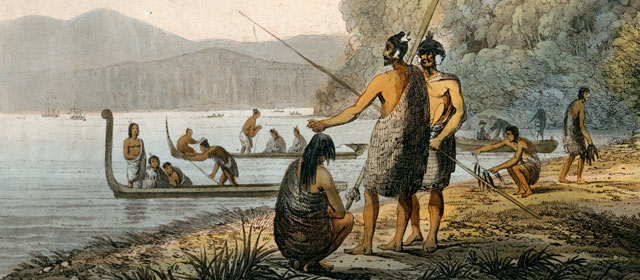
The History of the Māori People: From Early Settlements to Today

iwillnotbebroken.org – The Māori people are the indigenous Polynesian inhabitants of New Zealand, known for their rich cultural heritage, complex social structures, and deep connection to the land. Their history stretches back over a millennium, filled with stories of migration, conflict, adaptation, and cultural flourishing. From their early settlements to their significant role in contemporary New Zealand, the Māori have played a vital role in shaping the nation’s identity. This article explores the history of the Māori people, highlighting key events and developments from their origins to the present day.

Early Settlements: The Great Migration

Māori history begins with the arrival of their ancestors from eastern Polynesia, likely between 1250 and 1300 CE. This migration, known as the Great Migration, was carried out in large ocean-going canoes, or waka, which made the long journey across the Pacific Ocean. Scholars believe these navigators came from islands such as Tahiti, the Marquesas, and the Society Islands.

The Māori settled in the land they named Aotearoa, or “the Land of the Long White Cloud.” Over time, they adapted to their new environment, developing agriculture, hunting, and fishing practices suited to New Zealand’s diverse landscapes. The Māori established complex tribal groupings, known as iwi, with distinct dialects, traditions, and social structures.

The Tribal Era: Society, Culture, and Warfare

Māori society was organized into extended families or whānau, which grouped together to form larger communities known as hapū. These hapū were part of even larger tribal units called iwi, each with its own leadership structures and responsibilities. Leadership was often based on whakapapa (genealogy), with chiefs, or rangatira, playing key roles in decision-making and resource distribution.

Māori culture developed a rich oral tradition, preserving genealogies, legends, and history through stories and songs. The art of carving and weaving flourished, and the Māori constructed impressive fortifications and villages. Their spiritual beliefs were tied to the land, and they practiced animism, believing that everything in nature had a spirit or mauri.

The Māori people were also warriors, and inter-tribal warfare was common during this period. Conflicts over land, resources, and mana (prestige or authority) led to the construction of fortified villages called , which were strategically located for defense. The Māori used advanced weaponry, such as the taiaha (a wooden staff used in hand-to-hand combat) and the merei (a short club), and developed tactical strategies that made them formidable in battle.

European Contact and the Early Colonial Period

The arrival of European explorers in the 17th century marked the beginning of a significant new chapter in Māori history. Dutch explorer Abel Tasman was the first European to sight New Zealand in 1642, but it wasn’t until British explorer Captain James Cook’s arrival in 1769 that sustained contact began. This interaction brought both opportunities and challenges for the Māori people.

The introduction of European goods, such as metal tools, firearms, and cloth, had a profound impact on Māori society. The Māori engaged in trade with Europeans, exchanging food, resources, and later, land. However, the influx of European settlers also led to significant social and cultural disruption, as new diseases such as smallpox and influenza decimated the Māori population.

As the European presence grew, tensions began to rise between Māori tribes and settlers, culminating in the signing of the Treaty of Waitangi in 1840. The treaty, signed between the British Crown and many Māori chiefs, was intended to establish a legal framework for relations between the two groups, securing Māori land rights while granting British settlers sovereignty over the country.

The New Zealand Wars and Loss of Land

Following the signing of the Treaty of Waitangi, relations between Māori and the Crown became increasingly strained. Many Māori, particularly those in the North Island, felt that the treaty had been dishonored as settlers took more land than they had agreed upon. The 19th century saw a series of conflicts known as the New Zealand Wars (or Māori Wars), which were fought between Māori forces and the British military.

The wars were sparked by disputes over land ownership, with Māori fighting to protect their ancestral territories. As a result, large tracts of Māori land were confiscated by the Crown, leading to long-term economic hardship for many Māori communities. The wars also led to the loss of Māori autonomy, and many Māori were forced to relocate to reserves or urban areas.

The Struggle for Identity and Recognition

The late 19th and early 20th centuries were a time of significant upheaval for the Māori people. As Māori communities faced land loss and economic decline, they also struggled to preserve their language and cultural practices in the face of growing European influence. The government promoted policies that sought to assimilate Māori into European ways of life, and Māori children were often forbidden to speak their language in schools.

In response, Māori leaders began advocating for the preservation of their culture and the recognition of their rights. The 20th century saw the rise of the Māori Renaissance, a period of cultural revival and political activism. Māori language, arts, and traditions experienced a resurgence, and Māori activists fought for land rights and social justice.

Māori in Contemporary New Zealand

Today, the Māori people continue to play a central role in the life of New Zealand. While they make up around 15% of the population, Māori culture and language are integral to the nation’s identity. Māori influence is seen in the arts, sports, politics, and the ongoing process of reconciliation between Māori and the Crown.

The Treaty of Waitangi, once a source of division, is now a symbol of partnership, and Māori leaders work alongside the government to address the historical grievances of land loss and treaty breaches. In recent years, the Māori language has been revitalized through education and media, and there has been a growing recognition of Māori rights and tikanga (cultural practices) in legal and political spheres.

Conclusion

The history of the Māori people is one of resilience and adaptation, from their early migration to Aotearoa to their ongoing efforts to preserve and revitalize their culture. The Māori have faced numerous challenges throughout their history, but they have always maintained a strong connection to their land, their ancestors, and their cultural heritage. As New Zealand moves forward, the Māori people continue to shape the nation’s future, while honoring their past and ensuring their place in a diverse and dynamic society.

The Timeless Talent of Meryl Streep

iwillnotbebroken.org – Meryl Streep, a name synonymous with exceptional talent and versatility, has graced the silver screen for over four decades. Her journey from a young actress with a passion for storytelling to becoming one of the most revered figures in Hollywood is a testament to her dedication and skill. Known for her ability to embody diverse characters with unmatched authenticity, Streep has set a standard for excellence in acting.

Early Life and Beginnings

Born on June 22, 1949, in Summit, New Jersey, Meryl Streep showed an early interest in performing arts. She attended Vassar College and later Yale School of Drama, where she honed her craft. Her stage performances in the early 1970s marked the beginning of a promising career, leading to her first film role in “Julia” (1977).

A Career Defined by Diversity

Meryl Streep’s filmography is a rich tapestry of diverse roles that showcase her range and depth as an actress. From the heartbreaking portrayal of a Holocaust survivor in “Sophie’s Choice” to the formidable fashion editor in “The Devil Wears Prada,” Streep’s ability to transform herself is unparalleled. Each performance is a masterclass in acting, reflecting her meticulous attention to detail and profound understanding of her characters.

Accolades and Recognition

Streep’s talent has not gone unnoticed. With 21 Academy Award nominations and three wins, she holds the record for the most nominations in acting categories. Her awards cabinet also includes numerous Golden Globes, BAFTAs, and Emmy Awards, underscoring her impact on both film and television. These accolades reflect not just her talent, but also her perseverance and commitment to excellence.

Influence on the Industry

Beyond her impressive body of work, Meryl Streep has significantly influenced the film industry. She has been a staunch advocate for diversity and gender equality in Hollywood, using her platform to champion these causes. Her leadership and advocacy have inspired countless actors and filmmakers, encouraging them to pursue meaningful and impactful storytelling.

Legacy and Impact

As Meryl Streep continues to captivate audiences worldwide, her legacy is firmly established. She is not just an extraordinary actress, but a cultural icon whose work has transcended the screen to touch lives across generations. Her timeless talent serves as a beacon of inspiration for aspiring actors and a reminder of the transformative power of cinema.

Conclusion

Meryl Streep’s remarkable career is a celebration of artistic excellence and dedication. Her ability to breathe life into every role, coupled with her unwavering commitment to important causes, makes her a true legend in the world of entertainment. As she continues to explore new roles and challenges, audiences eagerly await the next chapter in the illustrious career of Meryl Streep.