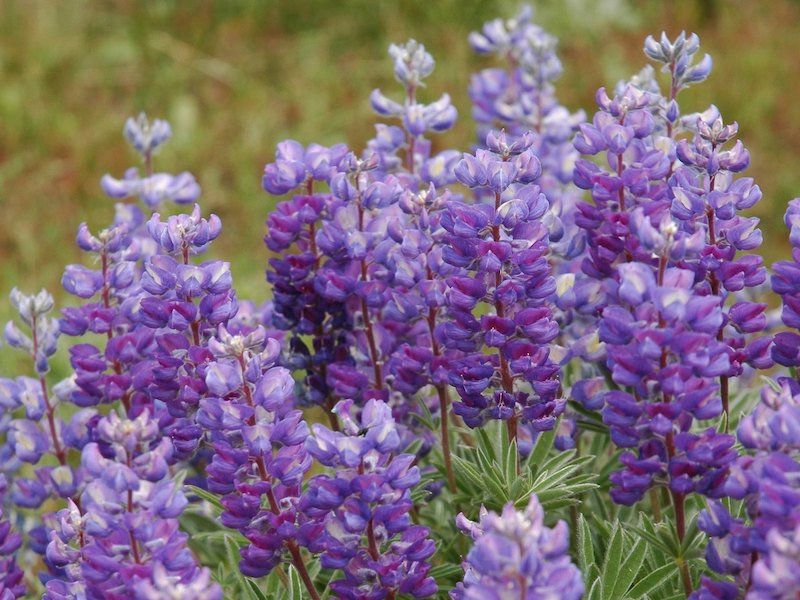
The Silver Lupine Flower: A Beautiful and Resilient Bloom

iwillnotbebroken.org – The Silver Lupine (Lupinus argenteus), known for its striking beauty and unique characteristics, is a flowering plant that graces gardens and wild landscapes with its vibrant hues and intricate structure. Native to North America, particularly in the western United States, it thrives in a variety of conditions, making it a popular choice for both natural habitats and cultivated gardens.

Physical Characteristics of the Silver Lupine

The Silver Lupine is easily recognizable by its silvery-green foliage and tall, upright flower spikes. The flowers themselves bloom in shades of purple, blue, or sometimes pink, forming dense clusters that attract pollinators like bees and butterflies. Each flower has a pea-like shape, typical of the lupine family, and is supported by slender, branching stems that can reach up to 3 feet in height.

The plant’s silver-toned leaves are palmate, consisting of several leaflets that radiate outward from a central point. This distinctive foliage gives the plant a silvery sheen, making it an attractive feature in gardens, especially when backlit by the sun.

Growing Conditions

Silver Lupine is relatively hardy and adaptable to a range of environments. It thrives in well-drained soil, especially in dry, sandy, or rocky terrains. It can often be found in meadows, grasslands, and foothills, particularly at higher elevations. While it prefers full sun, the Silver Lupine can tolerate partial shade, though it might produce fewer flowers under low light conditions.

These flowers are drought-tolerant once established, which makes them an excellent choice for xeriscaping and water-wise gardening. However, they benefit from occasional watering during particularly dry spells to maintain their health and vibrancy.

The Role of the Silver Lupine in the Ecosystem

One of the most remarkable features of the Silver Lupine is its role in soil enrichment. Like other members of the legume family, Silver Lupine has the ability to fix nitrogen in the soil through a symbiotic relationship with soil bacteria. This process improves soil fertility and benefits surrounding plants, particularly in nutrient-poor soils.

Additionally, the plant plays an important role in supporting local wildlife. Its flowers provide a rich source of nectar for pollinators, while the seeds are consumed by various animals, including birds and small mammals. The plant’s ability to adapt and thrive in challenging conditions also helps prevent soil erosion, making it an important species for maintaining the health of the environment.

Medicinal and Cultural Significance

Although Silver Lupine is not typically grown for medicinal purposes, it has held cultural significance for many Indigenous peoples of North America. Some Native American tribes have used lupines in traditional remedies, although caution must be exercised as many lupines, including Silver Lupine, contain alkaloids that can be toxic in large quantities.

In modern times, Silver Lupine is valued primarily for its ornamental appeal in gardens and its ecological benefits. Its bright, cheerful blooms are often used in wildflower meadows, pollinator gardens, and conservation efforts.

Conclusion

The Silver Lupine flower is more than just a pretty face. Its striking appearance, hardiness, and ecological benefits make it a valuable addition to any garden or natural landscape. Whether you’re a seasoned gardener or a nature enthusiast, this beautiful bloom is sure to captivate and inspire.

Liverleaf Flower: A Delicate Early Spring Bloom

iwillnotbebroken.org – The Liverleaf (Hepatica nobilis) is one of the first flowers to bloom in spring, often emerging from the ground while the last remnants of snow are still melting away. Known for its small yet striking flowers, Liverleaf holds a special place in woodland gardens and natural landscapes, symbolizing the resilience of nature and the hope of renewal. This perennial flower is celebrated for its unique appearance and historical significance.

Origins and Habitat

Liverleaf is native to Europe and North America, particularly in the woodlands and forests of temperate regions. It thrives in well-drained, slightly acidic soils and is commonly found in shaded areas, such as under trees or in moist, rich ground. This plant prefers cool, moist environments and tends to grow in places where it receives filtered sunlight, which makes it an ideal addition to shaded gardens or natural woodland settings.

Characteristics and Varieties

The Liverleaf flower is easily recognizable by its vibrant, star-shaped blossoms, which come in shades of purple, blue, pink, or white. The plant typically reaches 4 to 6 inches in height and produces blooms in early spring, often before the surrounding trees have fully leafed out. Its leaves, which resemble the shape of a liver (hence the name), are lobed and leathery, adding a distinct texture to the plant even after flowering. Liverleaf is a slow-growing perennial that can persist for many years in the right environment.

Growing Liverleaf

Liverleaf thrives in woodland gardens, shaded borders, or as part of a naturalized planting scheme. It prefers moist, well-drained soil that is rich in organic matter. Since it blooms early in the season, it can tolerate colder conditions, making it one of the first flowers to signal the arrival of spring. When planting Liverleaf, it is essential to provide a location that mimics its natural habitat: cool, shaded, and protected from direct sunlight. Regular watering during dry spells is crucial, but standing water should be avoided as the plant does not tolerate waterlogged soil.

Symbolism and Significance

Liverleaf has deep symbolism in various cultures. Its early bloom in spring represents renewal, hope, and the promise of warmer days. The plant’s ability to thrive in the cold, early spring conditions makes it a symbol of resilience and endurance. Additionally, in some cultures, the Liverleaf is associated with healing, as its leaves were historically used in folk medicine to treat ailments related to the liver.

Liverleaf in Garden Design

Liverleaf is often used in shade gardens, woodland gardens, or naturalized landscapes due to its ability to thrive in low-light conditions. It pairs well with other early-blooming flowers like snowdrops, crocuses, and violets, creating a beautiful and delicate spring display. Its understated beauty and early blooming period make it a favorite for gardeners looking to extend the spring bloom season.

Conclusion

The Liverleaf flower, with its delicate blooms and rich symbolism, is a wonderful addition to any garden or natural landscape. Its resilience in early spring conditions and its ability to thrive in shaded, moist environments make it a perfect choice for woodland gardens. With its historical significance and unique charm, the Liverleaf flower continues to captivate garden enthusiasts and nature lovers alike, marking the first signs of spring and the renewal of life in the natural world.

African Daisy: A Colorful and Resilient Bloom for Any Garden

iwillnotbebroken.org – The African Daisy, scientifically known as Osteospermum, is a radiant and resilient flower that originates from South Africa. Its vibrant blooms and tough nature make it a favorite among gardeners, especially those looking for drought-tolerant plants. African daisies add a splash of color to any garden and are perfect for borders, containers, or mass plantings.

Key Features of the African Daisy

  1. Stunning Flower Variety: African daisies are known for their bright, daisy-like blooms that come in an array of colors, including white, pink, purple, yellow, and orange. The flowers often feature a contrasting eye at the center, which can range from dark purple to blue, adding extra visual interest.
  2. Extended Blooming Period: One of the most appealing features of the African daisy is its long blooming season. It typically flowers from late spring to early fall, with peak performance in summer when the weather is warm and sunny.
  3. Sun and Heat Tolerance: African daisies thrive in full sun and are particularly well-suited to hot, dry climates. Their ability to withstand high temperatures and direct sunlight makes them an excellent choice for regions with challenging growing conditions.
  4. Drought Resistance: Once established, African daisies are remarkably drought-tolerant. This makes them ideal for xeriscaping, low-water gardens, or areas that experience dry spells. However, regular watering during the establishment period is necessary.
  5. Attractive Foliage: In addition to their eye-catching flowers, African daisies have striking silvery-green or green foliage that enhances the overall aesthetic of the plant. The foliage is compact and complements the brightly colored blooms.
  6. Pollinator Friendly: Like many daisy varieties, African daisies attract bees, butterflies, and other beneficial pollinators. This makes them a great addition to pollinator gardens or eco-friendly landscapes.

Planting and Care Guidelines

  • Sunlight: For best results, plant African daisies in full sun. They need at least six hours of direct sunlight daily to thrive and produce an abundance of flowers.
  • Soil: These daisies prefer well-drained soil and can tolerate poor soil conditions, including sandy or rocky soils.
  • Watering: While African daisies are drought-tolerant, they appreciate regular watering during dry spells, especially in the early stages of growth. Allow the soil to dry out between watering sessions to prevent root rot.
  • Pruning: Deadheading spent flowers encourages continuous blooming and keeps the plant looking tidy. Prune the foliage as needed to maintain a healthy, compact shape.
  • Cold Tolerance: African daisies are hardy in USDA zones 9-11 but can be treated as annuals in cooler climates. In colder regions, consider growing them in containers and bringing them indoors during frost.

Best Uses in the Garden

African daisies are incredibly versatile and can be used in a variety of garden settings. They are perfect for sunny borders, rock gardens, and mixed flower beds. Because of their bold, vibrant colors, they are excellent for creating eye-catching displays. African daisies also work well in containers and hanging baskets, making them a great choice for patios and balconies.

Their drought tolerance and heat resistance make them ideal for water-wise gardening or landscapes that aim to conserve water. Whether used in mass plantings or as accent plants, African daisies bring brightness and beauty to any outdoor space.

Conclusion

The African Daisy is a hardy, easy-to-grow plant that delivers stunning floral displays with minimal effort. Its vibrant blooms, long flowering season, and drought resistance make it a standout choice for gardeners looking to add color to their landscapes. Whether you’re gardening in a hot, dry climate or simply want a low-maintenance plant that attracts pollinators, the African daisy is a reliable and beautiful addition to any garden.