The History of the Māori People: From Early Settlements to Today

iwillnotbebroken.org – The Māori people are the indigenous Polynesian inhabitants of New Zealand, known for their rich cultural heritage, complex social structures, and deep connection to the land. Their history stretches back over a millennium, filled with stories of migration, conflict, adaptation, and cultural flourishing. From their early settlements to their significant role in contemporary New Zealand, the Māori have played a vital role in shaping the nation’s identity. This article explores the history of the Māori people, highlighting key events and developments from their origins to the present day.

Early Settlements: The Great Migration

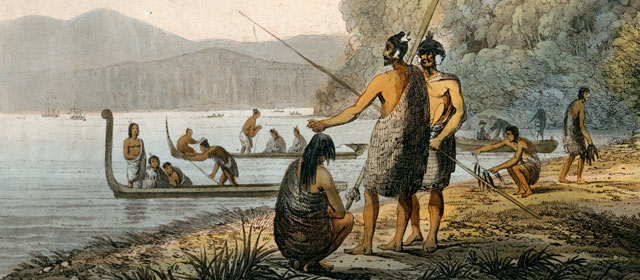
Māori history begins with the arrival of their ancestors from eastern Polynesia, likely between 1250 and 1300 CE. This migration, known as the Great Migration, was carried out in large ocean-going canoes, or waka, which made the long journey across the Pacific Ocean. Scholars believe these navigators came from islands such as Tahiti, the Marquesas, and the Society Islands.

The Māori settled in the land they named Aotearoa, or “the Land of the Long White Cloud.” Over time, they adapted to their new environment, developing agriculture, hunting, and fishing practices suited to New Zealand’s diverse landscapes. The Māori established complex tribal groupings, known as iwi, with distinct dialects, traditions, and social structures.

The Tribal Era: Society, Culture, and Warfare

Māori society was organized into extended families or whānau, which grouped together to form larger communities known as hapū. These hapū were part of even larger tribal units called iwi, each with its own leadership structures and responsibilities. Leadership was often based on whakapapa (genealogy), with chiefs, or rangatira, playing key roles in decision-making and resource distribution.

Māori culture developed a rich oral tradition, preserving genealogies, legends, and history through stories and songs. The art of carving and weaving flourished, and the Māori constructed impressive fortifications and villages. Their spiritual beliefs were tied to the land, and they practiced animism, believing that everything in nature had a spirit or mauri.

The Māori people were also warriors, and inter-tribal warfare was common during this period. Conflicts over land, resources, and mana (prestige or authority) led to the construction of fortified villages called , which were strategically located for defense. The Māori used advanced weaponry, such as the taiaha (a wooden staff used in hand-to-hand combat) and the merei (a short club), and developed tactical strategies that made them formidable in battle.

European Contact and the Early Colonial Period

The arrival of European explorers in the 17th century marked the beginning of a significant new chapter in Māori history. Dutch explorer Abel Tasman was the first European to sight New Zealand in 1642, but it wasn’t until British explorer Captain James Cook’s arrival in 1769 that sustained contact began. This interaction brought both opportunities and challenges for the Māori people.

The introduction of European goods, such as metal tools, firearms, and cloth, had a profound impact on Māori society. The Māori engaged in trade with Europeans, exchanging food, resources, and later, land. However, the influx of European settlers also led to significant social and cultural disruption, as new diseases such as smallpox and influenza decimated the Māori population.

As the European presence grew, tensions began to rise between Māori tribes and settlers, culminating in the signing of the Treaty of Waitangi in 1840. The treaty, signed between the British Crown and many Māori chiefs, was intended to establish a legal framework for relations between the two groups, securing Māori land rights while granting British settlers sovereignty over the country.

The New Zealand Wars and Loss of Land

Following the signing of the Treaty of Waitangi, relations between Māori and the Crown became increasingly strained. Many Māori, particularly those in the North Island, felt that the treaty had been dishonored as settlers took more land than they had agreed upon. The 19th century saw a series of conflicts known as the New Zealand Wars (or Māori Wars), which were fought between Māori forces and the British military.

The wars were sparked by disputes over land ownership, with Māori fighting to protect their ancestral territories. As a result, large tracts of Māori land were confiscated by the Crown, leading to long-term economic hardship for many Māori communities. The wars also led to the loss of Māori autonomy, and many Māori were forced to relocate to reserves or urban areas.

The Struggle for Identity and Recognition

The late 19th and early 20th centuries were a time of significant upheaval for the Māori people. As Māori communities faced land loss and economic decline, they also struggled to preserve their language and cultural practices in the face of growing European influence. The government promoted policies that sought to assimilate Māori into European ways of life, and Māori children were often forbidden to speak their language in schools.

In response, Māori leaders began advocating for the preservation of their culture and the recognition of their rights. The 20th century saw the rise of the Māori Renaissance, a period of cultural revival and political activism. Māori language, arts, and traditions experienced a resurgence, and Māori activists fought for land rights and social justice.

Māori in Contemporary New Zealand

Today, the Māori people continue to play a central role in the life of New Zealand. While they make up around 15% of the population, Māori culture and language are integral to the nation’s identity. Māori influence is seen in the arts, sports, politics, and the ongoing process of reconciliation between Māori and the Crown.

The Treaty of Waitangi, once a source of division, is now a symbol of partnership, and Māori leaders work alongside the government to address the historical grievances of land loss and treaty breaches. In recent years, the Māori language has been revitalized through education and media, and there has been a growing recognition of Māori rights and tikanga (cultural practices) in legal and political spheres.

Conclusion

The history of the Māori people is one of resilience and adaptation, from their early migration to Aotearoa to their ongoing efforts to preserve and revitalize their culture. The Māori have faced numerous challenges throughout their history, but they have always maintained a strong connection to their land, their ancestors, and their cultural heritage. As New Zealand moves forward, the Māori people continue to shape the nation’s future, while honoring their past and ensuring their place in a diverse and dynamic society.


Madrid: A Vibrant Tapestry of History and Modernity

iwillnotbebroken.org – Madrid, the capital of Spain, is a vibrant and cosmopolitan city that seamlessly blends its rich history with modern culture. With its stunning architecture, world-class museums, and lively nightlife, Madrid offers something for everyone.

A Historical Heart

Madrid’s historic center, known as the Madrid de los Austrias, is a captivating maze of narrow, winding streets and impressive squares.

  • Must-See Attractions:
    • Plaza Mayor: A stunning square surrounded by historic buildings, including the City Hall and the Casa de la Panadería.
    • Royal Palace: A magnificent palace that has been the official residence of the Spanish royal family since the 18th century.
    • Puerta del Sol: The heart of Madrid, a bustling square with iconic landmarks like the Kilometre Zero and the Clock Tower.
    • Rastro: A lively flea market where you can find everything from antiques to vintage clothing.

A Modern Metropolis

Beyond its historic core, Madrid is a modern metropolis with a thriving art scene, cutting-edge architecture, and a vibrant nightlife.

  • Must-See Attractions:
    • Museo del Prado: One of the world’s finest art museums, housing masterpieces by artists like Velázquez, Goya, and Titian.
    • Museo Reina Sofía: A world-class museum dedicated to modern and contemporary art, featuring works by Picasso, Dalí, and Miró.
    • Parque del Retiro: A sprawling urban park with beautiful gardens, a boating lake, and a crystal palace.
    • Gran Vía: A bustling avenue lined with shops, theaters, and cinemas.

A Culinary Delight

Madrid is a foodie’s paradise, with a wide range of culinary delights. From traditional tapas bars to Michelin-starred restaurants, there’s something to satisfy every palate.

  • Must-Try Dishes:
    • Cocido Madrileño: A hearty stew made with chickpeas, meat, and vegetables.
    • Croquetas: Crispy fried croquettes filled with various fillings, such as ham, cheese, or seafood.
    • Tortilla de Patatas: A Spanish omelette made with eggs and potatoes.

Madrid is a city that never sleeps. Its lively nightlife, with its countless bars, clubs, and music venues, ensures that there’s always something to do. Whether you’re interested in history, art, culture, or simply enjoying the good life, Madrid has it all.

Black Pudding: A British Culinary Delight – A Brief History

iwillnotbebroken.org – Black pudding is a type of blood sausage that is a traditional ingredient in many British breakfasts, particularly in the regions of Yorkshire and Lancashire. It’s made from pig’s blood, suet, oatmeal, and various spices. While it may seem unusual to some, it’s a hearty and flavorful food that has been enjoyed for centuries.

A Brief History

The origins of black pudding can be traced back to ancient times, when blood sausages were a common way to use up animal blood. In Britain, black pudding has been a staple food for centuries, particularly among the working class. It was often eaten as a cheap and filling meal, often served with other breakfast foods like bacon, eggs, and toast.

The Making of Black Pudding

The process of making black pudding involves several steps:

  1. Blood Collection: Fresh pig’s blood is collected from a local slaughterhouse.
  2. Mixing: The blood is mixed with suet, oatmeal, and spices such as salt, pepper, and herbs.
  3. Filling: The mixture is then filled into casings, traditionally made from pig intestines.
  4. Cooking: The filled casings are cooked, often by boiling or steaming, until the blood is fully cooked.

How to Enjoy Black Pudding

Black pudding is a versatile ingredient that can be enjoyed in many ways. Here are some popular ways to eat it:

  • Fried: Slicing black pudding and frying it until crispy is a popular way to enjoy it.
  • Grilled: Grilling black pudding can add a smoky flavor.
  • Boiled: Boiling black pudding is a traditional method of cooking it.
  • As Part of a Full English Breakfast: Black pudding is often served as part of a full English breakfast, alongside bacon, eggs, sausages, and toast.

The Flavor Profile

Black pudding has a rich, savory flavor that is enhanced by the spices used in its preparation. It has a firm texture and a slightly metallic taste, which is characteristic of blood sausages. While it may seem unusual to some, many people find the flavor to be addictive.

Modern Variations

In recent years, there has been a resurgence of interest in traditional British foods, including black pudding. As a result, many chefs and food producers are experimenting with new and innovative ways to use black pudding. Some popular variations include:

  • Black Pudding and Cheese Toastie: A delicious combination of gooey cheese and savory black pudding.
  • Black Pudding and Apple Sauce: A sweet and savory pairing that is perfect for breakfast or brunch.
  • Black Pudding Pizza: A unique pizza topping that adds a savory twist.

Black pudding is a truly unique and delicious food that has been enjoyed for centuries. Whether you’re a traditionalist or a culinary adventurer, there’s no doubt that black pudding is worth trying.

The Secrets of Ancient Mummies: Unwrapping History

iwillnotbebroken.org – The allure of ancient mummies has captivated scholars, archaeologists, and enthusiasts for centuries. These preserved bodies offer a tangible connection to the distant past, providing insights into the lives, beliefs, and practices of ancient civilizations. But what secrets do these ancient relics hold, and how have modern scientific techniques transformed our understanding of them?

The Origins and Purpose of Mummification

Mummification is most commonly associated with ancient Egypt, where it was practiced for over 3,000 years. The Egyptians believed in an afterlife and that preserving the body was crucial for the deceased’s journey. The process involved embalming the body with resins and oils and wrapping it in linen. However, mummification was not exclusive to Egypt; it has been practiced by various cultures worldwide, including the Chinchorro people of South America and the ancient Chinese during the Han Dynasty.

Scientific Discoveries: Peering Inside Without Unwrapping

Advancements in technology have revolutionized the study of mummies. Non-invasive techniques like CT scans and MRIs allow researchers to examine mummies without damaging them. These scans provide detailed images of bones, organs, and even artifacts placed within the wrappings. Through these methods, scientists have discovered evidence of diseases such as tuberculosis and arthritis, offering insights into the health and lifestyles of ancient peoples.

The Role of Mummies in Understanding Ancient Cultures

Mummies serve as a window into the cultural and social dynamics of ancient civilizations. The materials and methods used in mummification can reveal much about the resources available and the technological advancements of the time. Additionally, the analysis of isotopes in hair and bones can provide information on diet and migration patterns. Such studies have expanded our understanding of trade routes and the interactions between different cultures.

Ethical Considerations in Mummy Research

The study of mummies is not without ethical concerns. As these were once living people, respect for their remains is paramount. Researchers must balance scientific inquiry with ethical considerations, ensuring that the dignity of the deceased is upheld. This has led to the development of guidelines and protocols for the study and display of mummies in museums and research settings.

Conclusion

Ancient mummies continue to intrigue and educate us, bridging the gap between the past and the present. Through careful and respectful research, we can uncover the secrets they hold, enriching our understanding of human history and the diverse cultures that have shaped our world. As technology progresses, so too will our ability to unravel the mysteries of these fascinating relics, ensuring that the lessons of the past are not forgotten.

The World’s Smallest Country: Vatican City

iwillnotbebroken.org – Nestled within the heart of Rome, Italy, lies the world’s smallest independent state, Vatican City. This unique city-state is not only renowned for its diminutive size but also for its profound historical, cultural, and religious significance. With an area of just 109 acres (0.44 square kilometers), Vatican City is the spiritual and administrative headquarters of the Roman Catholic Church, governed by the Pope, who serves as both its head of state and the leader of the worldwide Catholic faith.

A Brief History

The establishment of Vatican City as a sovereign entity is relatively recent, dating back to the Lateran Treaty of 1929 between the Holy See and Italy. This treaty recognized the full sovereignty of the Holy See in the international field and established the current territory of Vatican City. Despite its modern political boundaries, the history of the Vatican is deeply intertwined with the history of Christianity and the Roman Empire, with roots stretching back over two millennia.

Government and Administration

Vatican City operates under a form of absolute monarchy, with the Pope as the supreme legislator, executive, and judicial power. The governance is supported by the Roman Curia, which acts as the central body through which the Pope exercises his authority. The unique nature of Vatican City’s government reflects its primary role as a religious rather than a traditional political entity.

Cultural and Architectural Marvels

Vatican City is home to some of the world’s most renowned cultural and architectural treasures. The St. Peter’s Basilica, with its awe-inspiring dome designed by Michelangelo, stands as a testament to human artistic achievement. The Vatican Museums, housing an extensive collection of art and artifacts, including the Sistine Chapel with its famous ceiling painted by Michelangelo, attract millions of visitors each year.

Economic and Social Life

The economy of Vatican City is primarily supported by the sale of postage stamps and souvenirs, the fees for admission to museums, and the sale of publications. The city-state does not levy taxes on its residents, and its currency, the Vatican euro, is on par with the euro used by many European Union countries. Despite its small size, Vatican City has a robust social structure, providing healthcare, education, and security services to its residents.

International Relations

Vatican City maintains diplomatic relations with over 180 countries, playing a significant role in international affairs, particularly in matters concerning peace, human rights, and religious freedom. Its unique status and the moral authority of the Pope give Vatican City a voice on the global stage that far exceeds its physical size.

Conclusion

Vatican City stands as a microcosm of human achievement and spirituality. Its existence as the world’s smallest country is a testament to the enduring power of faith and the importance of cultural and historical preservation. Despite its limited geographical extent, Vatican City’s influence on the world stage is profound, making it a unique and significant entity in the global community.

Cyprus: A Mediterranean Gem

iwillnotbebroken.org – Nestled in the eastern Mediterranean Sea, Cyprus stands as a captivating island nation that blends rich history, stunning natural beauty, and a vibrant culture. Known as the birthplace of Aphrodite, the ancient Greek goddess of love and beauty, Cyprus has been a crossroads of civilizations for millennia, leaving a tapestry of historical sites and cultural influences.

A Tapestry of History

Cyprus’s history is as old as it is storied. The island has been inhabited since the Neolithic Age, and its strategic location has made it a coveted territory throughout the ages. From the Phoenicians and Greeks to the Romans, Byzantines, and Ottomans, each civilization has left its mark, contributing to the island’s rich tapestry of history. Today, visitors can explore ancient city-kingdoms like Paphos and Kourion, marvel at the well-preserved mosaics, and delve into the island’s fascinating archaeological sites.

Natural Beauty and Tranquility

Beyond its historical riches, Cyprus boasts a stunning natural landscape. The island’s coastline is dotted with golden sandy beaches and crystal-clear waters, offering a perfect retreat for sun-seekers and water sports enthusiasts alike. Inland, the Troodos Mountains rise majestically, providing a cool respite and a haven for hiking and nature lovers. The region is also home to some of the oldest forests in the Mediterranean, including the famous Cedar Valley.

Cultural Vibrancy

Cyprus’s culture is a vibrant mosaic of traditions and influences. The island’s cuisine is a delightful fusion of Mediterranean flavors, with dishes like meze, halloumi cheese, and loukoumades (fried dough balls) being must-tries. The locals are known for their warm hospitality, and festivals and cultural events are celebrated throughout the year, showcasing the island’s music, dance, and arts.

A Modern Destination

While steeped in history, Cyprus is also a modern and dynamic nation. Its capital, Nicosia, is the island’s economic and cultural hub, featuring a mix of old and new. The island’s infrastructure is modern, with excellent transportation links, making it easy to explore. Whether you’re looking to relax on a beach, explore ancient ruins, or enjoy the vibrant nightlife, Cyprus offers something for every traveler.

Conclusion

Cyprus is more than just a Mediterranean island; it’s a living museum, a natural paradise, and a cultural melting pot. Its unique blend of history, natural beauty, and vibrant culture makes it a gem in the heart of the Mediterranean. Whether you’re seeking relaxation, adventure, or a deeper understanding of the past, Cyprus promises an unforgettable experience.

The Impact of Colonialism on Mozambique’s History

iwillnotbebroken.org – Mozambique, a country located in southeastern Africa, has a rich and complex history that has been significantly shaped by colonialism. The arrival of the Portuguese in the 16th century marked the beginning of a long period of colonial rule that lasted until Mozambique’s independence in 1975. This article explores the profound impact of colonialism on Mozambique’s history, focusing on the economic, social, and political changes that occurred during this period.

Precolonial Mozambique

Before the arrival of the Portuguese, Mozambique was home to various Bantu-speaking peoples who had established complex societies based on agriculture, cattle raising, mining, crafts, and trade. These communities had developed sophisticated social structures and were part of extensive trade networks that extended across East, Central, and Southern Africa. The region was also influenced by Arab traders, who had established settlements along the coast and engaged in the trade of gold, ivory, and slaves.

The Arrival of the Portuguese

The Portuguese explorer Vasco da Gama reached the Mozambican coast in 1498, marking the beginning of Portuguese colonialism in the region. Initially, the Portuguese established trading posts and forts along the coast, gradually expanding their control inland. By the early 16th century, they had gained control of key ports such as Sofala and established garrisons at Sena and Tete on the Zambezi River.

Consolidation of Portuguese Control

Throughout the 19th and early 20th centuries, Portuguese control over Mozambique expanded significantly. The Portuguese employed a strategy of leasing large tracts of land to private companies, which exploited the land and its resources, often at the expense of the local population. This period was characterized by forced labor, high taxes, and the confiscation of land, leading to widespread discontent among the African population.

The New State Regime

The 1926 coup in Portugal led to the establishment of the “New State” regime, which intensified colonial exploitation. The regime consolidated economic control into fewer hands, promoting conditions that favored capital accumulation by Portugal and Portuguese settlers. Despite some improvements in infrastructure and administrative systems, these changes were primarily directed towards benefiting the settler population rather than the indigenous Mozambicans.

The Struggle for Independence

The harsh conditions imposed by the Portuguese colonial regime led to the rise of nationalist movements in Mozambique. The Front for the Liberation of Mozambique (FRELIMO), founded in 1962, launched a guerrilla war against Portuguese rule in 1964. The conflict, known as the Mozambican War of Independence, lasted until 1974 when a military coup in Portugal led to the withdrawal of Portuguese forces and the independence of Mozambique on June 25, 1975.

Legacy of Colonialism

The legacy of colonialism in Mozambique is profound and multifaceted. Economically, the country’s infrastructure and economy were developed primarily to serve the interests of the colonial power, leading to uneven development and dependency. Socially, the colonial period saw the imposition of Portuguese culture and language, which had lasting effects on Mozambique’s identity and nationalism. Politically, the struggle for independence and the subsequent civil war shaped the country’s political landscape, leading to a one-party state under FRELIMO until the early 1990s.

Conclusion

Colonialism had a transformative impact on Mozambique, altering its economic, social, and political structures in ways that continue to influence the country today. The legacy of Portuguese colonialism is a complex mix of development and exploitation, with the effects still being felt in Mozambique’s ongoing efforts to build a stable and prosperous nation.

The History & Culture of the Bahamas

iwillnotbebroken.org – The Bahamas, officially known as the Commonwealth of the Bahamas, is an archipelagic nation located in the northern Caribbean Sea. Comprising over 700 islands, cays, and islets, the Bahamas is a unique blend of history, culture, and natural beauty. This article delves into the rich history and vibrant culture of the Bahamas, exploring its indigenous roots, colonial past, and contemporary identity.

Early History

The Bahamas was originally inhabited by the Lucayan people, a subgroup of the Arawak Indians. These indigenous peoples lived in harmony with the land and sea, developing a sophisticated society long before the arrival of Europeans. The first recorded European contact with the Bahamas occurred in 1492 when Christopher Columbus landed on San Salvador Island during his first voyage to the New World.

Colonial Period

Spanish Occupation

Following Columbus’s discovery, the Bahamas fell under Spanish control. However, the Spanish were more interested in the larger islands of the Caribbean, and the Bahamas remained relatively untouched. The Lucayan population was largely decimated by diseases brought by the Europeans and forced labor.

British Colonization

In 1647, the first European settlers arrived in the Bahamas, primarily English Puritans from Bermuda. The islands became a haven for pirates and privateers during the late 17th and early 18th centuries, a period often referred to as the “Golden Age of Piracy.” Notable figures like Sir Francis Drake and Blackbeard used the Bahamas as a base for their operations.

The Bahamas officially became a British colony in 1717. During the American Revolutionary War, many Loyalists fled to the Bahamas, bringing enslaved Africans with them. This influx significantly shaped the demographic and cultural landscape of the islands, with the majority of the current Bahamian population being of African descent.

Modern History

Independence

The Bahamas gained full independence from the United Kingdom on July 10, 1973. Sir Lynden Pindling became the first Prime Minister of the independent Bahamas. Since then, the country has developed a stable democracy and a growing economy, largely driven by tourism and financial services.

Culture

Music and Dance

Bahamian culture is deeply influenced by its African roots, as well as British and American traditions. Goombay music, a blend of African rhythms and European melodies, is a significant part of Bahamian musical heritage. The Junkanoo festival, held on Boxing Day and New Year’s Day, is a vibrant celebration featuring colorful costumes, music, and dance.

Cuisine

Bahamian cuisine reflects the islands’ rich history and diverse influences. Conch fritters, fish, and other seafood dishes are staples, often prepared with a mix of spices and herbs. The use of local ingredients like cassava, sweet potatoes, and tropical fruits adds to the unique flavor profile of Bahamian cooking.

Art and Literature

The Bahamas has a thriving arts scene, with a strong emphasis on visual arts and literature. The country has produced notable artists and writers who have gained international recognition. The art ecosystem in the Bahamas is dynamic, with various galleries and cultural institutions promoting local talent and preserving the nation’s artistic heritage.

Conclusion

The Bahamas stands as a testament to resilience and cultural richness. From its indigenous roots to its colonial past and modern independence, the country has evolved into a vibrant nation with a unique identity. Its history and culture continue to inspire and attract visitors from around the world, making it a true gem in the Caribbean.